


It’s not very often that the Insurance Institute for Highway Safety or IIHS debuts a new crash test, but as a lifelong crash test fan and automotive safety stickler, I’m excited to share more about the newest test, the IIHS launches new whiplash prevention test. Whiplash and neck injuries are the most commonly reported injuries in U.S. auto insurance claims, and if you’ve ever been rear-ended you know the day-to-day challenges this kind of injury can cause.
The new test builds off of an outdated IIHS head restraint test that exclusively tested for 20 mph impacts and adds a 30-mph impact component as well. The original test was discontinued in 2022 because virtually all the vehicles tested earned good ratings, but data showed that occupants of good-rated vehicles were still suffering from whiplash injuries in the real world.
The inaugural round of vehicles subjected to the updated whiplash prevention test were 18 small SUVs, though only four earned the IIHS’ top rating of good. We previously covered the entire list of results, but this focuses on the three worst performers.
These SUVs all performed extremely badly in at least one metric
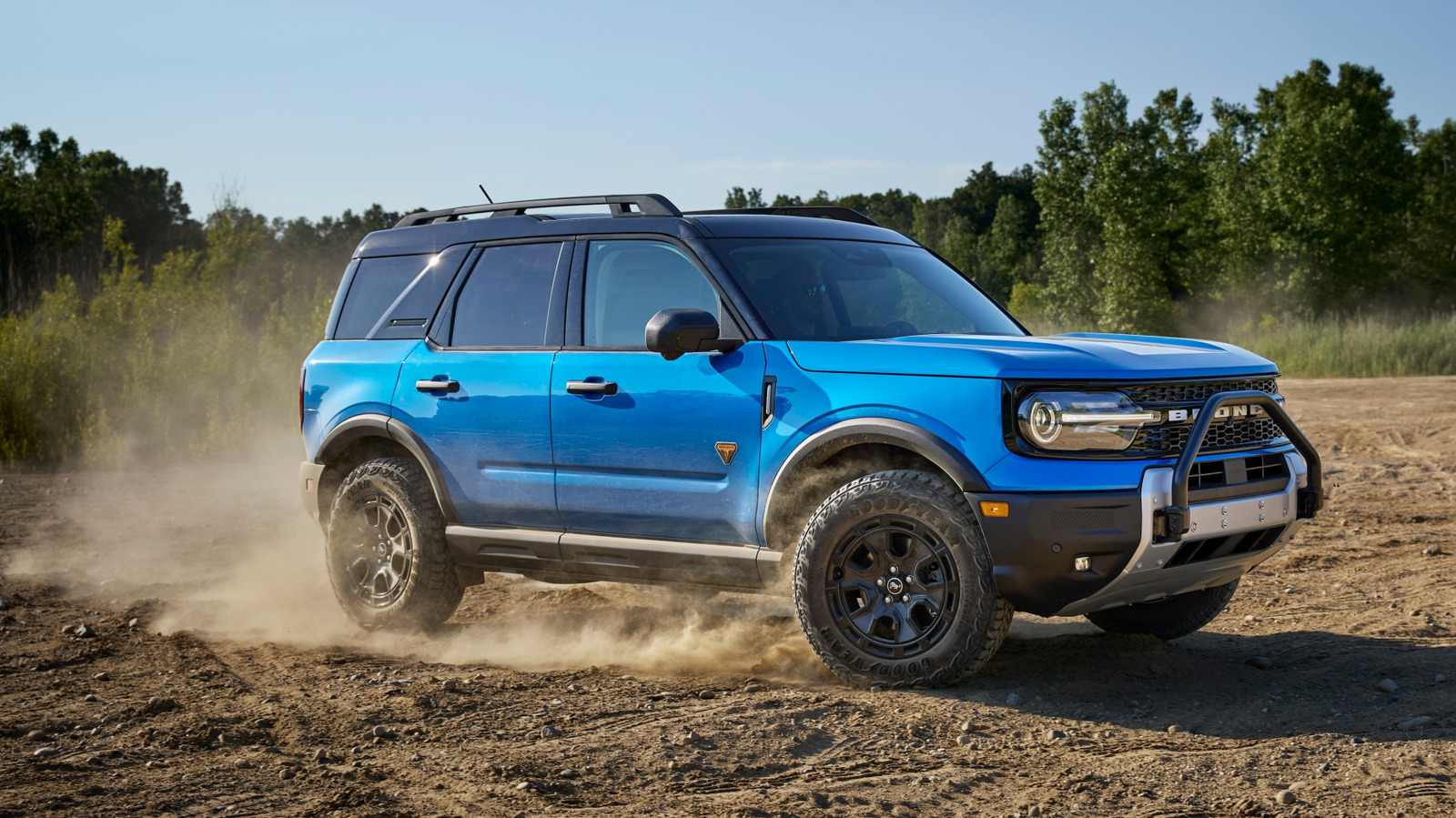
The three worst performers in the new test were the 2025-26 Ford Bronco Sport, the 2025-26 Hyundai Tucson, and the 2025-26 Mazda CX-50. In an official statement, the IIHS said, “In the poor-rated vehicles, the dummy’s head moved a great deal relative to the spine. Ideally, the upper eight vertebrae that comprise the cervical spine should retain their natural curvature. Instead, video footage clearly shows these vertebrae stretching and straightening.”
Each poor-rated vehicle struggled in different areas. For example, the Hyundai Tucson’s head restraint design pushed the crash test dummy’s chin downward toward its chest, and the Mazda CX-50’s seat design allowed the dummy to slide backward and upward. The Bronco Sport, meanwhile, “provided particularly poor support for the head and spine.” The seat didn’t effectively cradle the dummy, but rather the dummy’s head took a long time before actually contacting the head restraint, and metrics showed that the difference in velocity between the dummy’s pelvis and head was very high.
Marcy Edwards, the IIHS senior research engineer who developed the new evaluation said, “We don’t fully understand the mechanisms that cause whiplash injuries, but our research makes us confident that reducing these types of movements and stresses should cut down on whiplash injuries in the real world.”

