


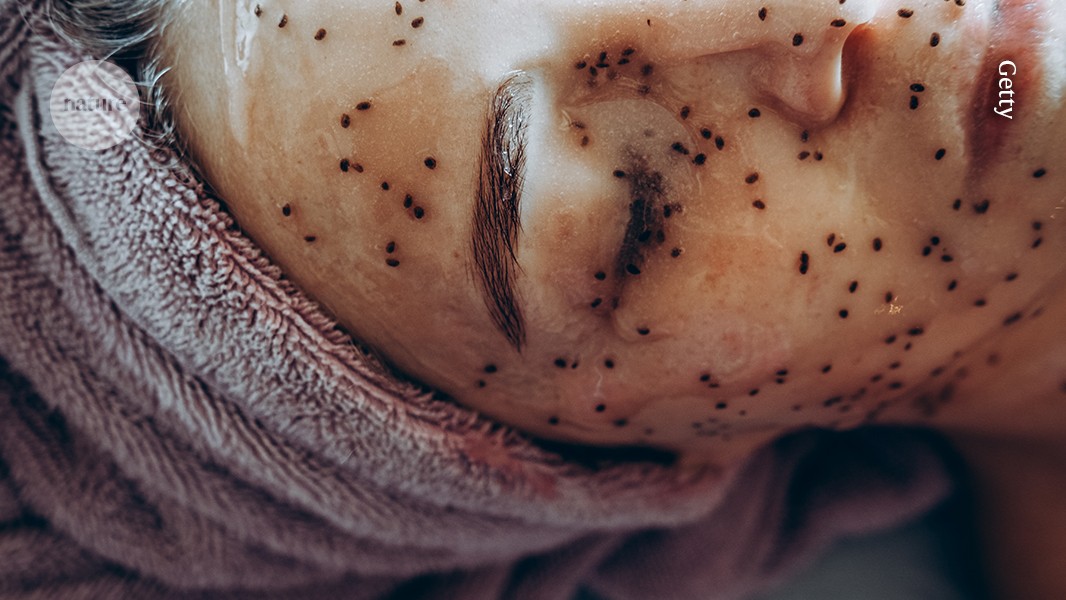
Over the past five years, dermatologist Rajani Katta has noticed a change in the people who come into her office. Their skincare routines have been getting more complicated — some stretching to 12 steps — and often involve products that they found through social media, many of which don’t have a lot of scientific backing.

The science influencers going viral on TikTok to fight misinformation
They didn’t realize that some of those products were doing damage to their skin, says Katta, who specializes in sensitive skin and allergies at the University of Texas Health Science Center at Houston. “People are much more likely to experiment on themselves” than they have been in the past, she says.
Globally, there seems to be more interest in skincare than ever before, with the industry expected to generate more than US$200 billion worldwide in 2026. Social-media platforms such as TikTok seem to be a main driver of the hot pursuit of youthful, glowing skin, with hashtags such as #SkinTok generating more than one billion views per month. The platforms have helped to kick-start a wave of skincare trends, from using beef tallow as a moisturizer to achieving ‘glass skin’ — a smooth, shiny complexion — using dozens of pricey products. They’re also rife with harmful misinformation, such as the false claim that sunscreens cause skin cancer and vitamin-D deficiency.
For most people, the recipe for maintaining healthy skin should be simple and follows guidelines that dermatologists have offered for years. But it’s not just about what one puts on or takes off one’s skin. There’s plenty of evidence that lifestyle factors are important — arguably more important — than products and daily rituals for keeping skin healthy. Often, the recommendations from physicians about skin run counter to what is circulating on social media.
What’s more, new research is elucidating the connections between the skin and other organ systems, and it has become clear that keeping skin healthy has effects far beyond one’s outward appearance, says Mao-Qing Man, a dermatologist at Hebei Medical University in Shijiazhuang, China. “Skin health is important for overall health,” he says.
A dynamic organ
The skin is the body’s suit of armour, acting as the first line of defence against the constant barrage of threats from the outside world, including pathogens, chemicals and ultraviolet radiation. “It has a lot of different dimensions,” says Daniel Kaplan, a dermatologist who focuses on immunology at the University of Pittsburgh in Pennsylvania.
Skin is made up of three main layers: the hypodermis (bottom), dermis (middle) and epidermis (top). The epidermis constantly churns out fresh skin cells to replace the roughly 40,000 dead skin cells that the body sheds every day.
The outermost layer of the epidermis is the stratum corneum, more commonly known as the skin barrier. This waterproof shield is made of corneocytes — flat, dead cells filled with the protein keratin. These tough cells are surrounded by lipids called ceramides, which lock in moisture and keep invaders out of the skin.

The outer layer of the skin and its natural oils form a protective barrier.Credit: Thierry Berrod, Mona Lisa Production/SPL
Although biology textbooks often compare the skin barrier to a brick wall, it’s more like a thriving ecosystem of physical, chemical, microbial and immune functions, says Peter Lio, a dermatologist who specializes in eczema at Northwestern University in Evanston, Illinois. “Our skin barrier is incredibly dynamic and complex,” he says.
But, it’s also “pretty easy to screw it up”, Lio says. For instance, some popular cosmetic procedures, such as chemical peels — which temporarily remove the outer layers of the skin to reduce wrinkles and acne scars — can cause lasting harm to the skin barrier and result in chronic sensitivity if done incorrectly or too frequently. “The skin does have powerful abilities to regenerate”, but some treatments can override that, says Katta.

The surprisingly big health benefits of just a little exercise
Common signs of a compromised skin barrier include persistent dryness, itchiness and redness, along with acne and infection. This damage can increase a person’s risk of developing more chronic skin conditions, such as atopic dermatitis, psoriasis and even allergies, says Katta. It can also make it easier for pathogens such as Staphylococcus aureus, a bacterium that can cause abscesses and, in more severe cases, blood infections, to slip past the barrier.
A common mistake that many people make at home is overusing harsh soaps, detergents and astringents — liquids that shrink body tissues by drawing water out of them, says Kaplan. These substances, which include alcohol and witch hazel, can be useful for removing excess oil, make-up and acne-causing bacteria. But they can also strip away the natural oils that keep the skin barrier intact in the first place, adds Kaplan.
The barrier also has an acid mantle — a thin, filmy layer of oils, fatty acids and amino acids — which helps to keep the skin stable and creates the conditions needed for a healthy microbiome to flourish (see ‘A home for beneficial bacteria’). Wiping out lipids with harsh products raises pH levels. This, in turn, weakens the community of beneficial microorganisms and enables pathogenic types to flourish. Taking scalding hot showers is another way to damage the skin barrier, says Tamia Harris-Tryon, a physician scientist who studies the skin microbiome at the University of Texas Southwestern Medical Center in Dallas. “If it’s hot enough to clean your pots and pans of oil, it will clean your body of natural oils,” she says.

Source: go.nature.com/4rigfrx
Children as young as nine years old are becoming more interested in skincare products and multistep routines, says Lio. Whereas gentle cleansers, moisturizers and sunscreen are generally safe for kids, potent serums and anti-ageing products for mature skin can wreak havoc on younger skin, he says.
The American Academy of Dermatology recommends washing the face twice a day with a gentle cleanser, applying a moisturizer and — during the day — putting on sunscreen and protective clothing.
Shield against the Sun
Over the long term, few things are worse for the skin than overexposure to UV radiation, either through natural sunlight or tanning beds, says Elsemieke Plasmeijer, a dermatologist and epidemiologist at the Netherlands Cancer Institute in Amsterdam. UV radiation is the leading cause of melanoma — the deadliest form of skin cancer. In 2022, almost 60,000 people died from melanoma, according to the World Health Organization’s (WHO) International Agency for Research on Cancer.
The two main types of UV radiation that reach Earth’s surface — UVA and UVB —affect the skin in different ways. UVA causes damage in the dermis by triggering oxidative stress and breaking down collagen and elastin — proteins that provide tissues with structure and flexibility. Meanwhile, UVB only reaches the epidermis, but causes sunburn and DNA damage that can lead to skin cancer. A 2019 study found that both types of UV radiation disrupt a protein that helps cells to stick together in the skin barrier1. This resulted in weaker bonds between corneocytes, leading to a less resilient skin barrier.

Stress is wrecking your health: how can science help?
Sunbathing on the beach for hours isn’t the only way to get too much UV radiation. In December, Pedram Gerami, a dermatologist who specializes in skin cancer at Northwestern University, and his colleagues reported that people who use indoor tanning beds were three times more likely to get melanoma than those who don’t use them2. They were more likely to have multiple melanomas, even in parts of the body that usually have low levels of Sun damage, such as the thighs.
The indoor tanning industry often argues that tanning beds are safer than natural sunlight because they emit more UVA than they do DNA-damaging UVB light. But this claim is often false, says Gerami. “The amount of UVA is about 10 to 15 times higher than the UVA outside,” he says. The WHO classifies tanning beds as a human carcinogen in the same category as asbestos and cigarette smoke.

