


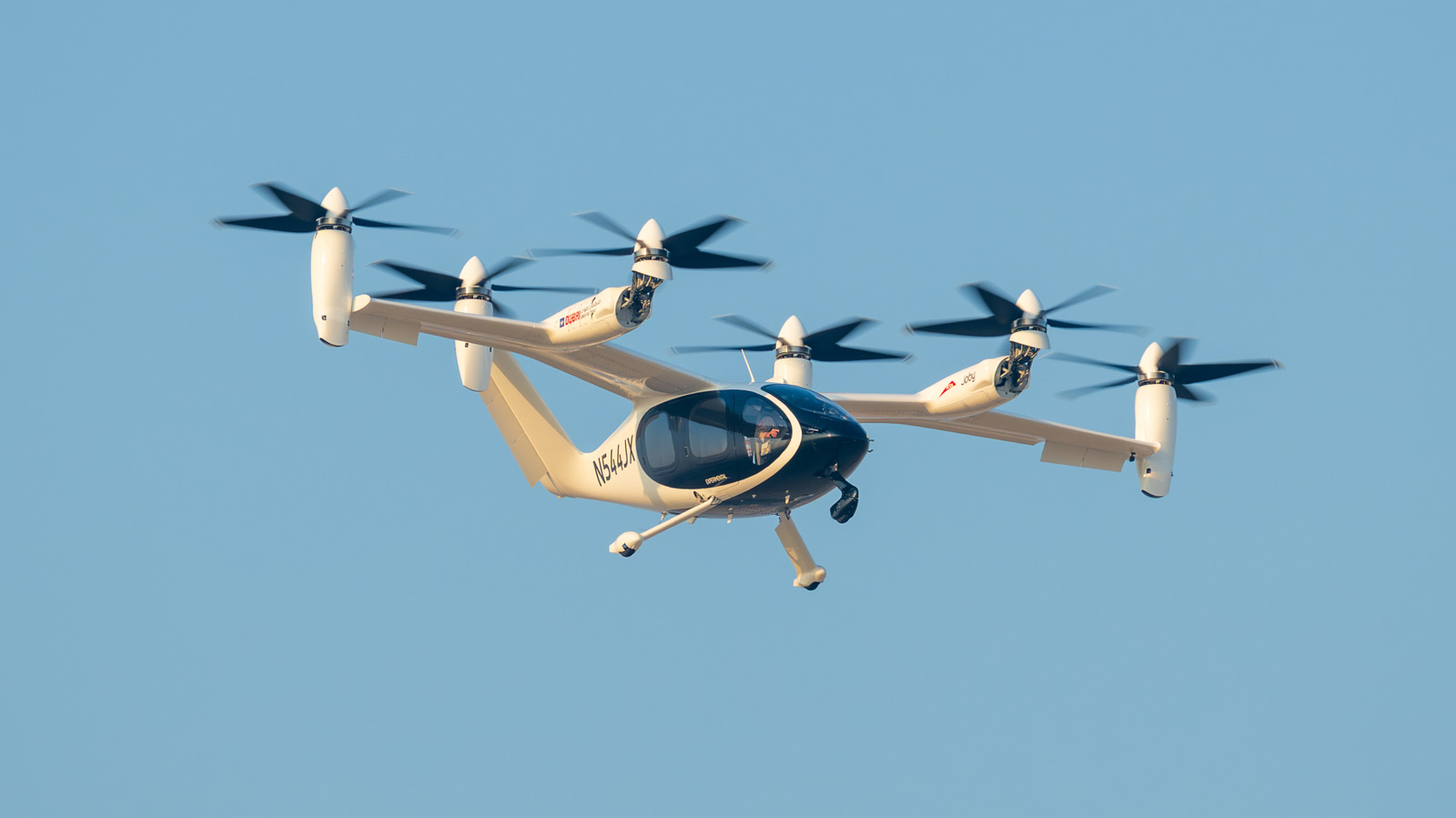

In a major step forward for small electric aircraft, the Federal Aviation Administration has approved eight proposals for its Electric Vertical Takeoff and Landing (eVTOL) Integration Pilot Program (eIPP). These proposals will be lead by nine states overseeing test operations at their airports, covering a range of services including passenger transport, cargo shipment, and medical response. This will collectively comprise the largest test of so-called advanced air mobility (AAM) vehicles in the world, the data from which will help the FAA determine whether to grant full flight certification to this new branch of aviation.
eVTOLs are designed to be light, able to take off either straight upwards or with only minimal ground travel distance. A number of startups have been developing this technology over the last few years, and a lot of the big names are represented here, including BETA, Joby, Archer, and Wisk, among others. These so-called advanced air mobility (AAM) vehicles are cheaper than traditional planes or helicopters, designed to operate at very low altitudes in urban environments. Think of a kind of shuttle service directly from a major airport to a city’s downtown.
However, a big focus of the approved tests is actually more about rural America. Because they are so cheap to fly, eVTOLs could be more cost-effective to fly out to low-population areas. That opens up a lot more opportunities for moving people and goods far removed from distribution hubs.
Lower, slower, shorter

The FAA’s announcement claims that 26 states are participating in the test, though that seems to be a bit of a stretch. The tests will operate directly out of nine states: New York, New Jersey, Texas, Utah, Pennsylvania, Louisiana, Florida, North Carolina, and New Mexico (more formally, the city of Albuquerque itself). Some of these will explore flights out to other states, but many of the remaining 26 states appear to be where the startups themselves are headquartered.
In any case, this is a broad experiment across a range of objectives. Beyond the routes and the service types, the eIPP will also try out a mix of crewed, optionally crewed, and uncrewed (autonomous) vehicles. Flying Magazine says the program will last three years, starting in the next 90 days. The approved proposals will receive Other Transaction Agreements (OTAs) from the FAA, giving them temporary clearance to fly these routes without getting full flight certification.
It’s a big step that’s been coming for a while, but as Axios points out, the competition is already getting pretty cutthroat. Just Monday, Archer sued Joby over concerns that the latter was lying about how dependent it was on Chinese suppliers. China is a scary word to the federal government these days! So scary that it may be what’s propelling this whole experiment in AAMs forward: China is also pushing the technology as a new economic frontier. So even if the eIPP tests go well, there may be a lot of turbulence ahead. Still, flying over rush hour traffic? Worth any cost, really.

