


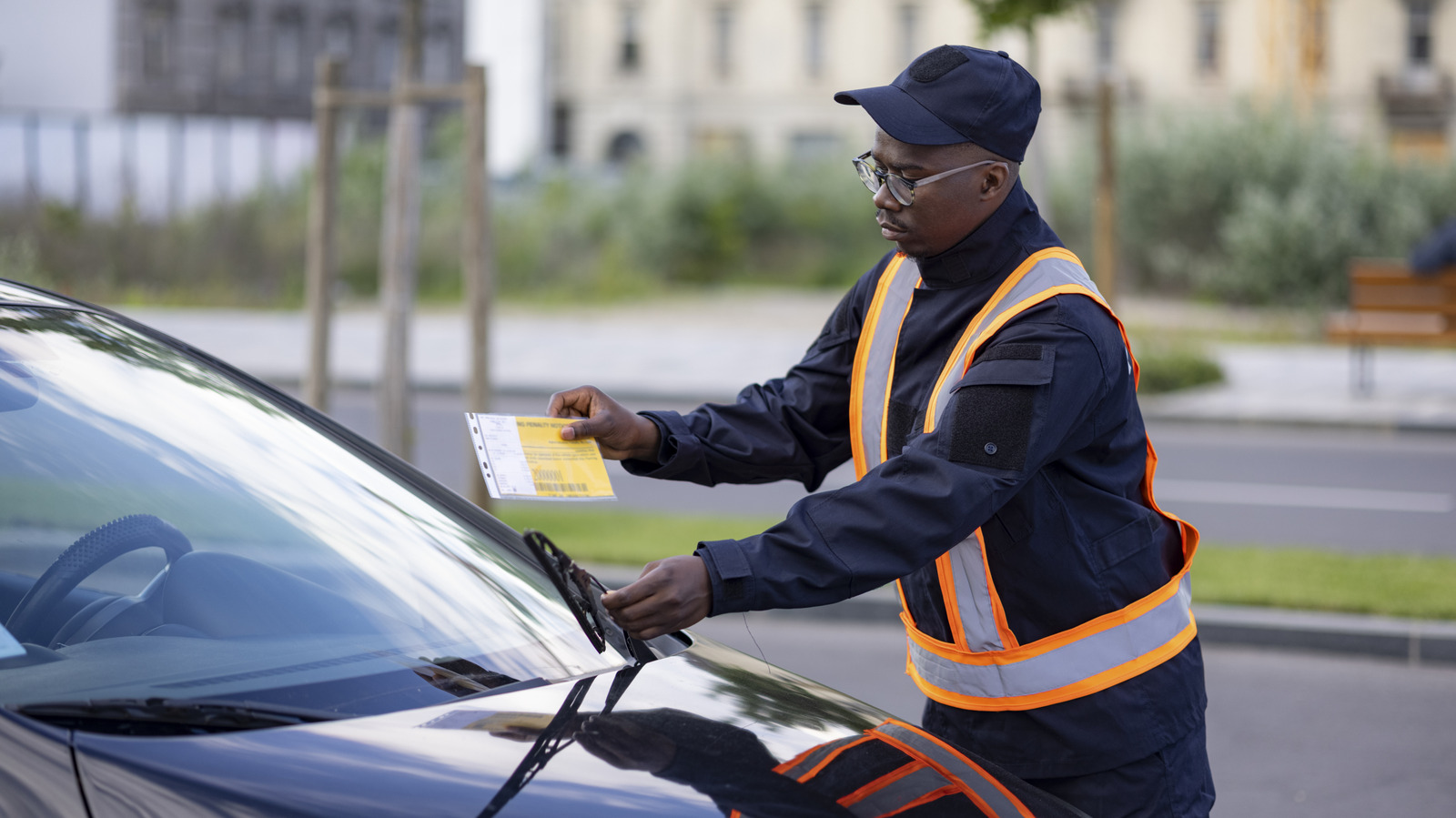
The Dutch certainly have some interesting ideas, from the world’s first car with a CVT to putting hundreds of illegally imported squirrels into a shredder. One of their more recent ideas is using AI to issue parking tickets, reports NL Times. This has worked about as well as when Hertz used AI scanners to detect damage on rental cars, which is to say, not well at all.
The Netherlands has been using cameras mounted on cars and AI algorithms to identify illegally parked cars and fine the owners. According to the Dutch Data Protection Authority, around 250 to 375 million vehicles can be scanned per year, resulting in three to five million parking tickets annually. That’s a whole lot more than cops on foot can write.
However, with that quantity comes a severe reduction in quality. Around 500,000 of these ticketed cars are actually parked legally, which is at least a ten percent error rate. We know that AI sometimes fails at basic math, but this is ridiculous. In 40 to 62% of appeals, these parking fines are reversed, which makes me wonder whether switching back to human enforcement might be more efficient overall.
A camera is not a cop
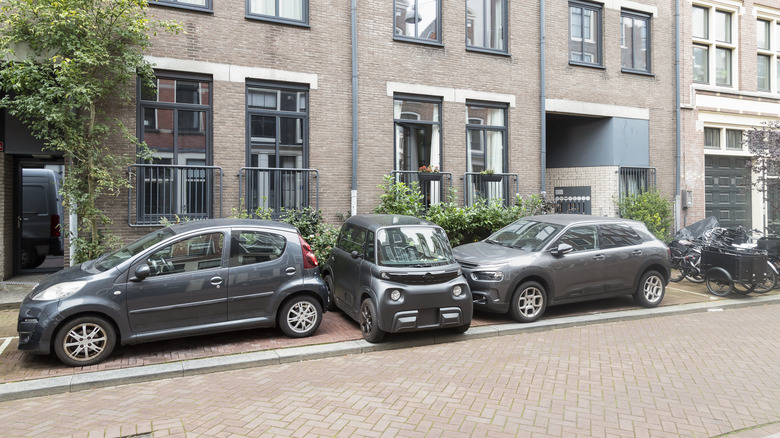
In fairness, this may not be entirely the fault of AI itself. License plate scanners work pretty well, but license plates are designed to be easy to read, both by humans and machines. It’s much harder to determine whether a vehicle is legally parked based on a single photo from a passing camera car. For example, a disabled parking permit may be displayed properly on the car, but not visible in the photo. Holders of such permits make up a disproportionately large number of these unjustified parking tickets.
A photo is just a photo. Although parking enforcement officers review these images, they can only make decisions based on what’s visible in the image. A photo can’t take in the context of the situation, nor can it exercise the discretion that a human parking enforcement officer can. AI doesn’t know whether a car has been illegally parked for hours, or if someone just pulled over to drop someone off and leave, a situation that reasonable cops would choose to ignore, since it isn’t really parking. An AI algorithm also can’t walk up to a driver and tell them they need to move rather than write a ticket.
Human law enforcement in the U.S. certainly has its issues, but in cases where human law enforcement and traffic enforcement officers are ticketing vehicles, at least the officer needs to observe the alleged offense before a driver can be cited for it (in most cases, anyway). Officers can investigate a situation and decide for themselves whether to write a ticket or not. AI has proven time and again that it can’t apply the same basic logic, which is partly why I trust AI about as far as I can throw an entire data center.

