


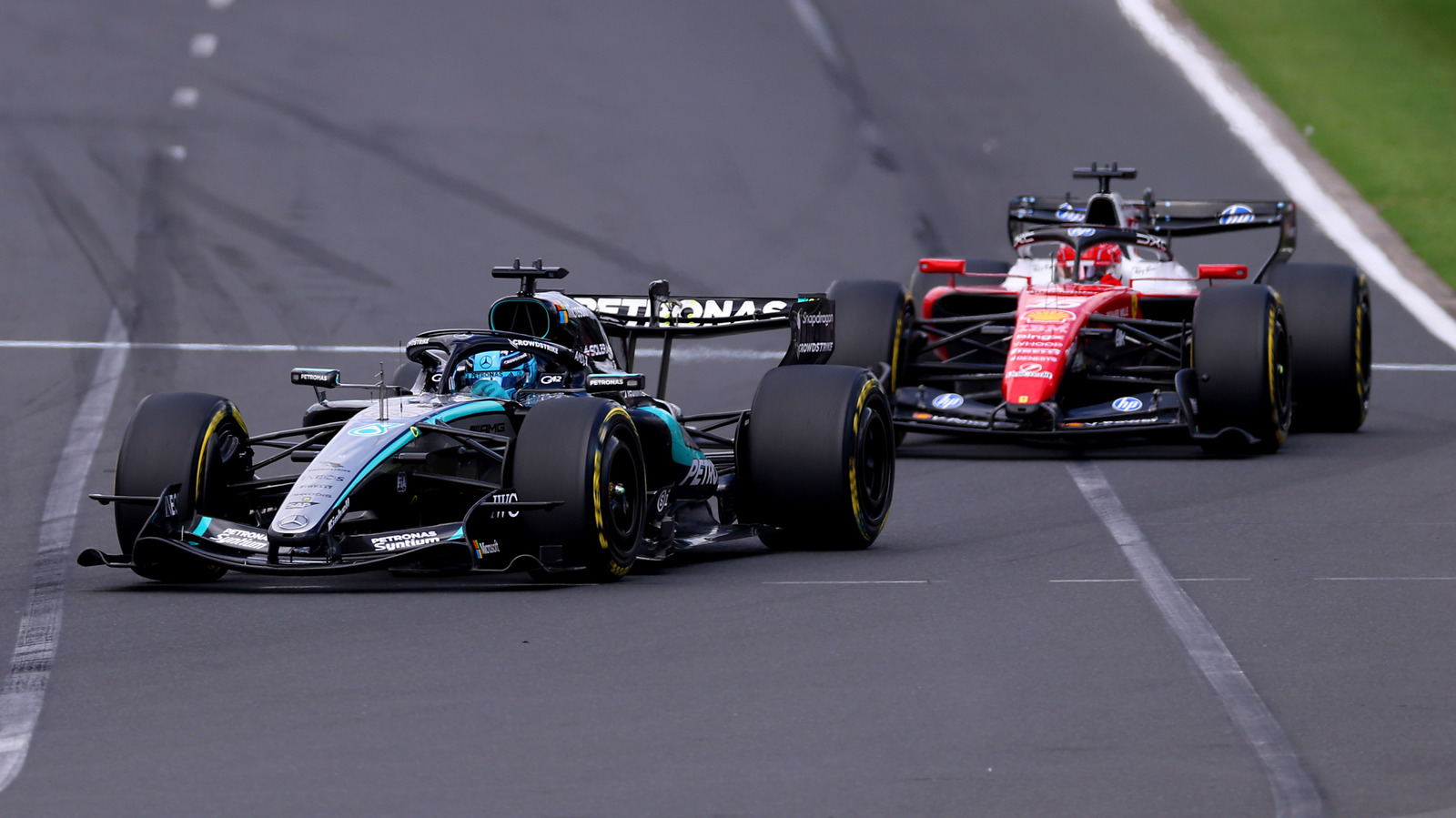
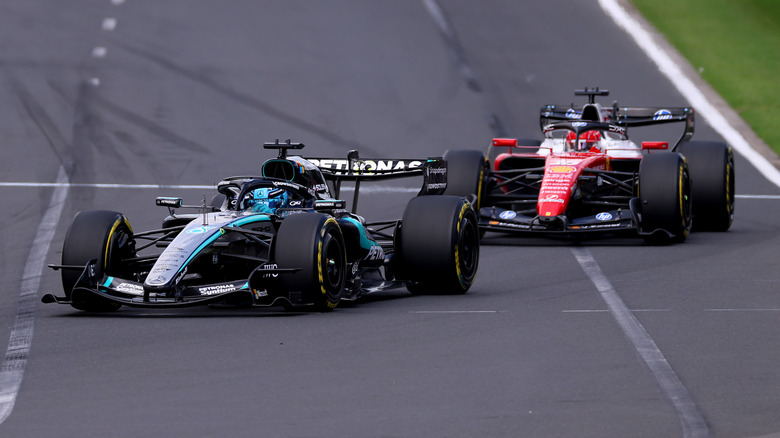
The 2026 Formula 1 season kicked off with last weekend’s Australian Grand Prix. George Russell took the maiden victory of the sport’s new hybrid era after fending off an early threat from Ferrari’s Charles Leclerc. While the Mercedes 1-2 win reestablished the three-pointed star’s status as F1’s dominant team, energy management was the weekend’s biggest talking point. Drivers and fans alike complained about the tactics needed to keep batteries charged, albeit for different reasons. Super clipping quickly became common parlance, whether the speaker knew the term’s meaning or not.
The issue became apparent to everyone during qualifying on Saturday. The onboard of Russell’s pole lap featured all the worst fears for the new power unit regulations. The Albert Park Circuit features a lengthy flat-out section before the quick Turn 9-10 chicane, one of the season’s fastest corner complexes. However, the Mercedes driver began to slow down the straight at full throttle before lifting entirely. Russell easily cruised through the chicane. His lap time itself wasn’t slower than expected; a 1:18.518 lap would have been good enough to win pole at every Albert Park F1 race before 2020. It just felt slow. The car appeared restrained to onlookers.
Super clipping is the result of cost-cutting
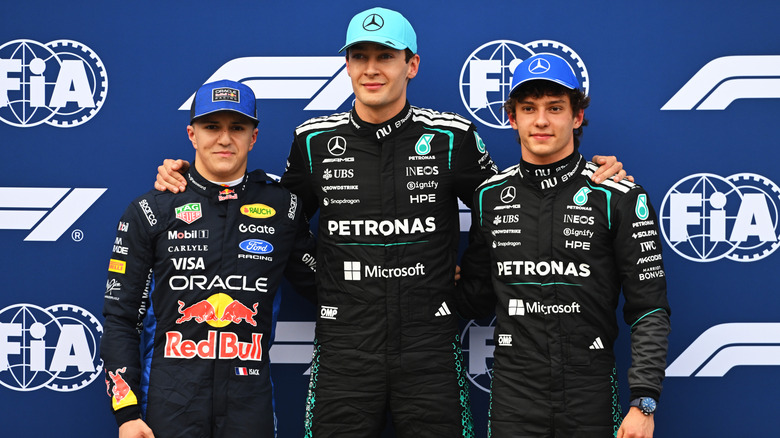
The full-throttle phenomenon with Russell’s Mercedes was super clipping. The engine can feed power directly to the MGU-K rather than to the rear wheels. The method is used to supplement traditional regenerative braking, especially at circuits with few heavy-braking zones, such as Albert Park. Super clipping won’t be as prominent at other circuits on the calendar, but it likely won’t be eliminated entirely without significant rules changes.
The teams knew that super clipping would be a necessary workaround for the 2026 power unit regulations. Manufacturers wanted to eliminate the added cost and complexity of the turbo-mounted MGU-H, but also wanted increased electrical power output. As a result, the deployable electrical power was increased from 120 kW to 350 kW. However, the cars are still equipped with the same 4 MJ batteries introduced in 2014. For reference, the current PHEV Toyota Prius has a 49 MJ battery.
Drivers are expected to use their entire battery’s capacity during a single lap, but it takes just under 20 seconds of 350 kW regenerative braking to recharge the battery. The teams have to make up that deficit every lap to have access to their power unit’s full combustion and electrical output. This is where super clipping fills that gap, but it’s capped at 250 kW.
Super clipping is awful, but energy management is great
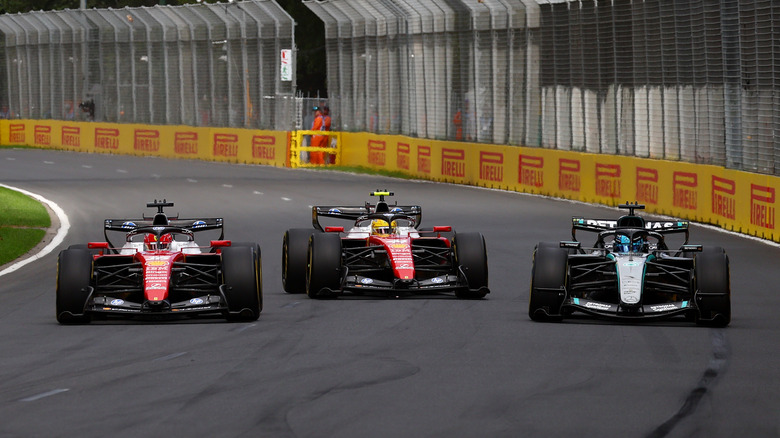
Sunday’s race proved that forcing the drivers to juggle energy management and outright could create entertaining racing. Leclerc used an incredible start to get past Russell in his superior Mercedes. The newlywed tactfully made attacks with his Ferrari to stay with the Silver Arrow. The jockeying for the lead slowed the leading duo just enough to briefly bring their teammates, Lewis Hamilton and Kimi Antonelli, into play before Ferrari botched the first pit cycle.
The regulations show promise, but they need to be tweaked. The most straightforward fix would be increasing the battery capacity. Allowing the drivers to store enough energy for multiple push laps would eliminate hot lap harvesting in qualifying and decrease the amount of position yo-yoing during races. McLaren team principal Andrea Stella proposed raising the super clipping cap to 350 kW during preseason testing to stop the drivers from lifting and coasting, according to Autosport. The cap increase could be implemented immediately, but it would only encourage super clipping and not reduce it.
Whether it be the fuel-capacity limits of the 1980s turbo era or Pirelli’s high-degradation tires in the 2010s, F1 needs variable constraints to produce engaging racing where driver skill actually matters. Flat-out racing might be a visual spectacle, but it produces a processional contest where the fastest car wins before the drivers line up on the grid.

