


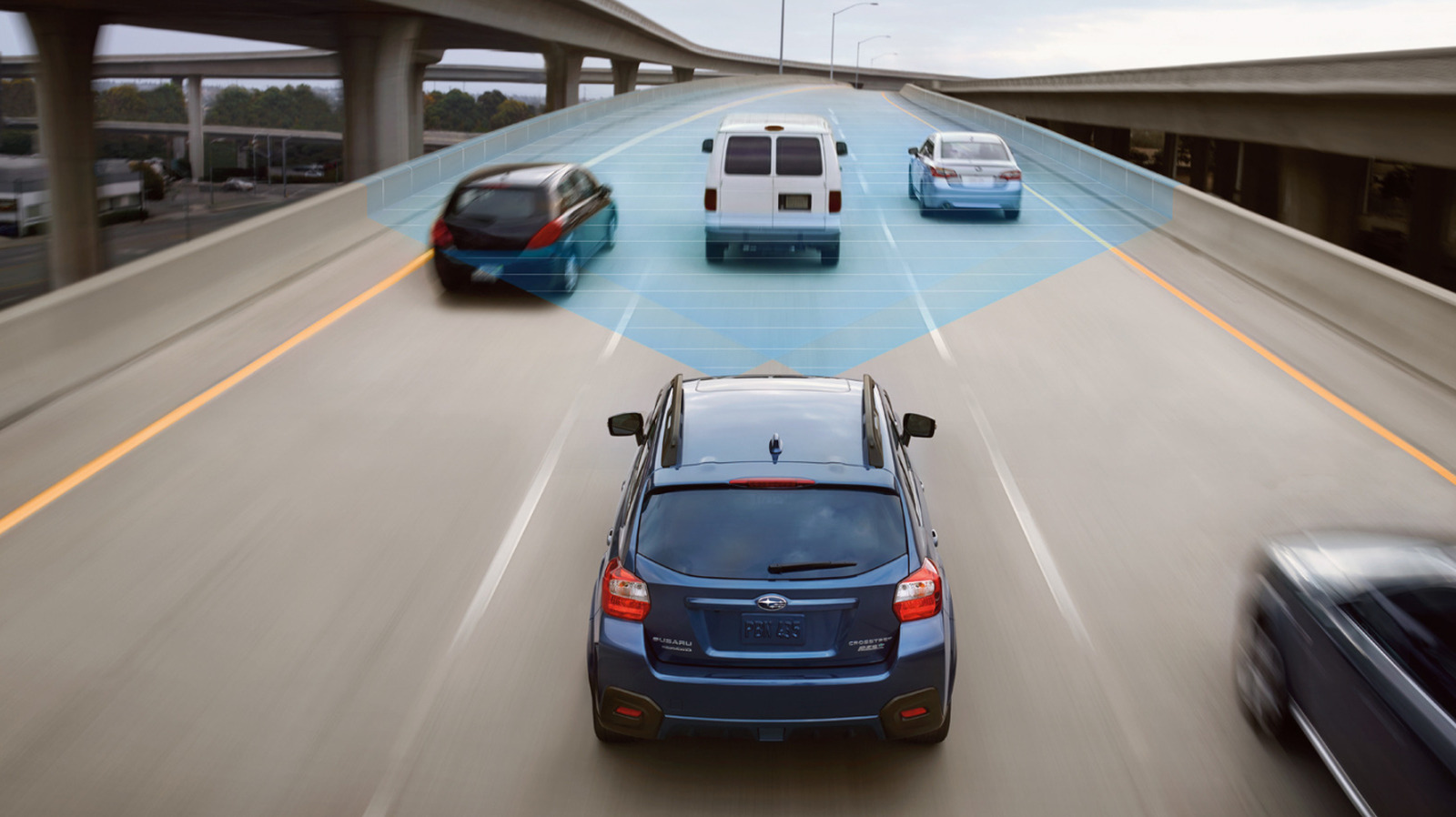

Car companies get sued by disgruntled and dissatisfied owners relatively frequently, from Volkswagen owners suing because they hate steering wheel-mounted touch buttons, to Ford Transit Trail owners suing for an off-road tire recall that took away their vans off-road chops. Subaru has been embroiled in a class-action lawsuit for four years now, battling owners who claimed their car’s EyeSight safety systems were defective, but that battle is finally over. The nine plaintiffs in the case will each receive just $5,000 each, while their attorneys walk away with $2,428,118.67. Hey, $5,000 is better than a poke in the eye(sight).
According to Road & Track, Subaru also promised to provide a warranty extension for any repairs to EyeSight systems, as well as reimbursement for some out-of-pocket expenses if owners haven’t already received reimbursement yet. Unfortunately, this extension is relatively short as it’s limited to 48 months or 48,000 miles from the vehicle’s original in-service date.
Owners complained that EyeSight would trigger phantom braking and steering
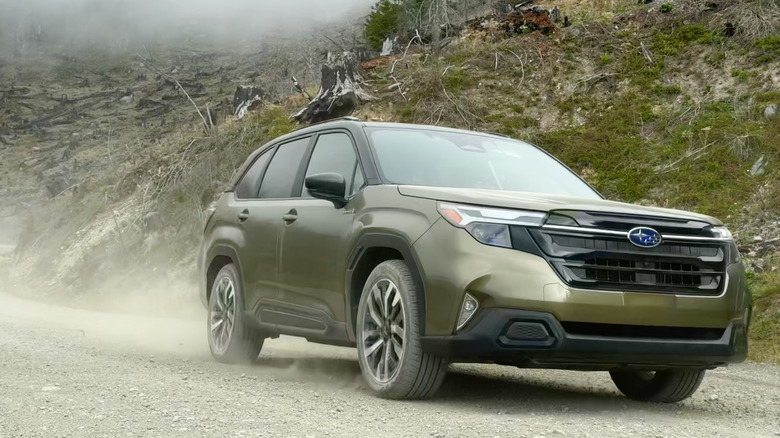
The lawsuit alleged that the EyeSight system on the plaintiff’s respective Subarus would occasionally malfunction. According to CarComplaints.com, these malfunctions varied from random brake engagement, failure to engage when necessary, and erroneous steering wheel jerks, but Subaru maintains that its vehicles are safe, and that this class-action lawsuit was without merit.
Though the plaintiffs each received a $5,000 payday following this four year-long suit, the warranty extension and additional coverage is useless for older Subarus since their coverage ended years ago. Those older models technically received four months of extra warranty coverage past the settlement notice date, but that window has already closed, so any current disgruntled Subaru owners will not benefit from the settlement.
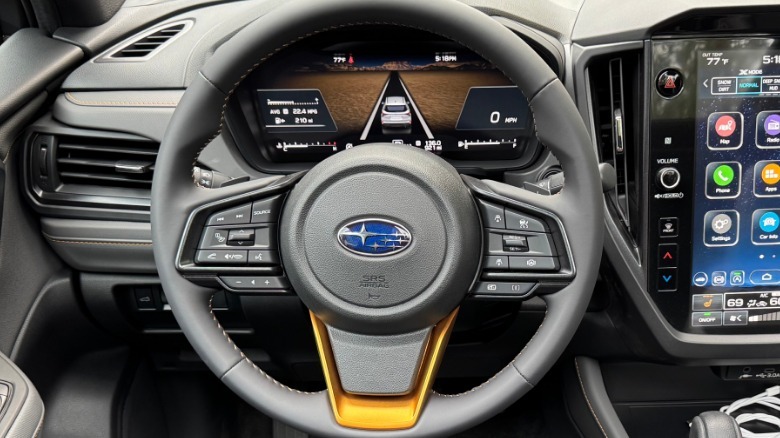 Logan K. Carter/ Jalopnik
Anyone who drives a newer vehicle with a suite of active safety features like automatic emergency braking, collision mitigation braking, and lane-keep assist knows how alarming these systems can be when they operate erroneously. It’s not a perfect science, but for the average driver on American roads, the occasional false alarm is a small price to pay when these systems prevent accidents that could cost thousands, or cause severe injuries. I guess we’ll see what other companies end up getting Suebaru’d.

