




Soothing the skin can help reduce eczema flare ups. Credit: Ladanifer/iStock via Getty
For people with eczema, stress can trigger flare ups and worsen their itchy rashes. But the link between stress and skin inflammation has been unclear.
Now, researchers have identified a network of neurons that respond to stress by activating immune cells in the skin, fuelling eczema symptoms1.
The findings, published in Science today, come from a mouse model of atopic dermatitis (AD) — a type of chronic eczema that affects more than 200 million people worldwide.
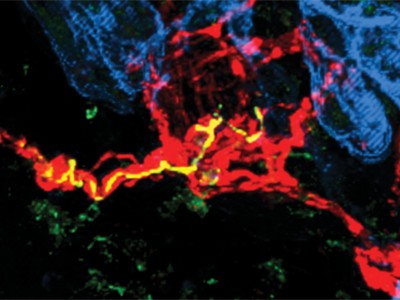
Read the paper: Maternal stress triggers early-life eczema through fetal mast cell programming
The study shows “how a feeling, such as psychological stress, can translate into a biological event, namely inflamed skin”, says co-author Shenbin Liu, a neurobiologist at Fudan University in Shanghai, China.
Allergic skin diseases, such as AD, are caused by overactive immune responses that attack the body’s own skin cells. Some people with the condition have a build-up of a type of immune cell called eosinophils in the affected skin tissues which exacerbates inflammation. But what drives these cells to the skin and activates them in AD hasn’t been clear.
Itchy cells
In an analysis of skin biopsies and blood samples from 51 people with AD, the researchers found that those who reported high stress levels had more severe skin inflammation and higher levels of eosinophils than did participants who reported low stress levels.

