


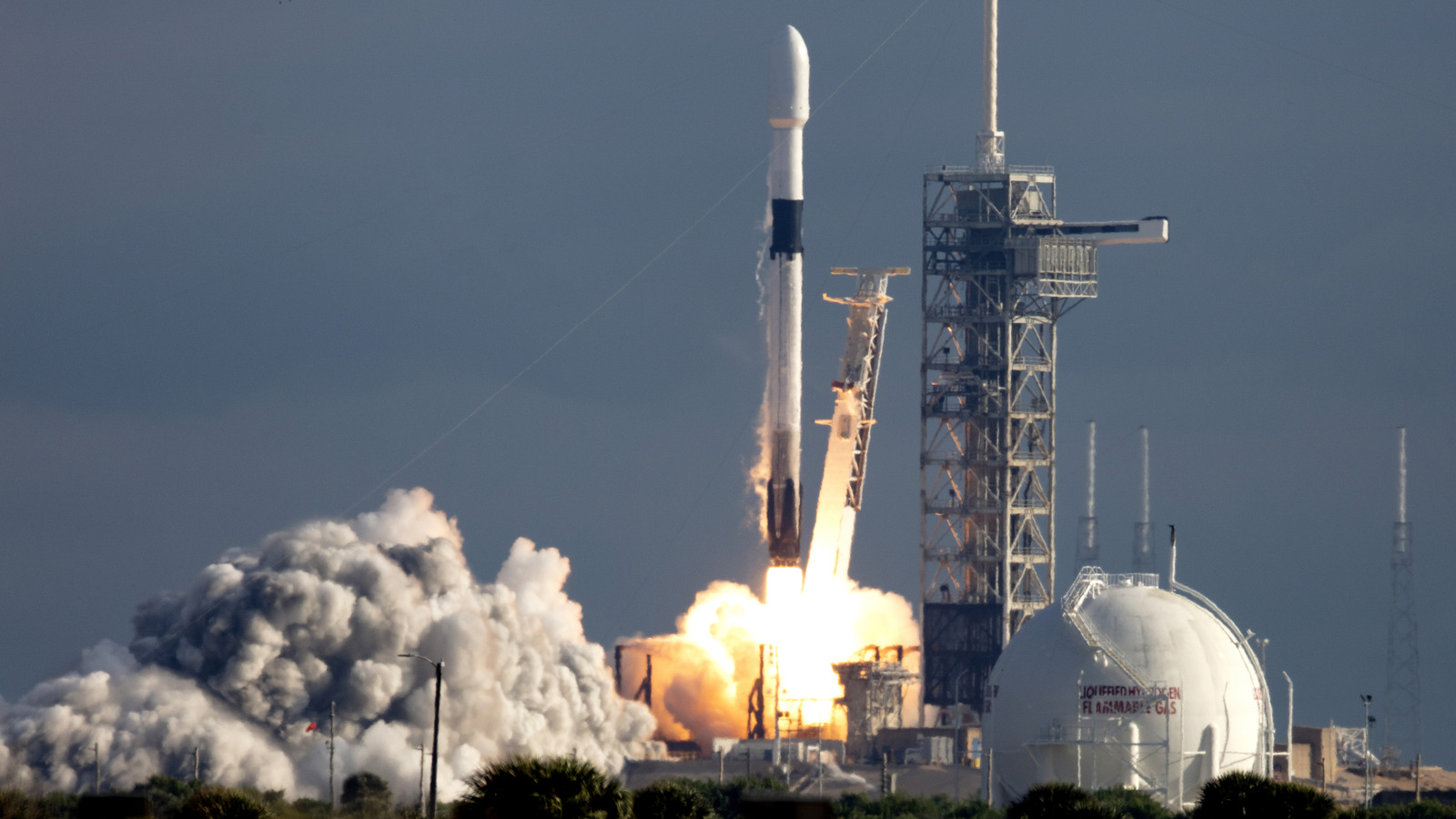
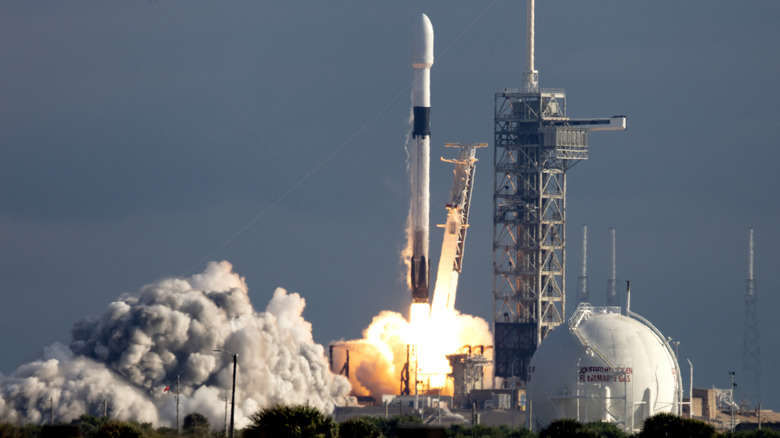
What a year for SpaceX, and what a year for space. Worldwide, the human race attempted to launch 320 rockets into orbit in 2025. If that sounds like a lot, it’s because it is: the previous record, set in the distant year 2024, was a measly 259 attempts. That is a 23.5% YoY increase. Even more striking is the growth of the now-dominant force in rocketry, Elon Musk’s SpaceX. It managed a truly breathtaking 165 launches with the Falcon 9. That is over half of all rocket launches on the planet that year. Of them all, every single one successfully delivered its payload, and only one — one! — failed its booster recovery. A further two boosters were intentionally abandoned in orbit. That is a 23.1% YoY increase in launches for the company, and a 660% increase in just five years.
SpaceX’s much more ambitious Starship rocket got most of the headlines for, well, exploding. But while it was busy falling back to Earth in pieces, the workhorse Falcon 9 was just quietly commuting to space, delivering satellite after satellite and occasionally rescuing stranded astronauts. It wasn’t all that long ago that the idea of recovering a rocket’s first-stage booster was science fiction. This year, SpaceX did it 162 times; one of those boosters has now flown 32 times and is still going strong.
It’s sort of hard to wrap your head around how much this is. As Space.com puts it, this averages out to a successful orbital launch every other day, by one company! The entire rest of humanity combined did almost as well. Of course, with successful test flights by the New Glenn rocket from Jeff Bezos’ Blue Origin, Rocket Lab’s Neutron rocket debuting next year, and China’s own record-breaking year, SpaceX can’t sit easy on the throne.
Traffic jams and traffic accidents, space style
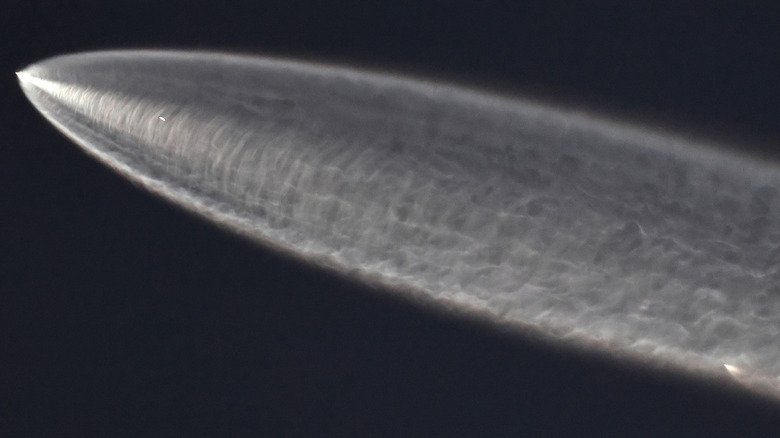
So, just whose cargo is SpaceX delivering to space? Mostly, the answer is… SpaceX. The company’s Starlink satellite constellation accounted for 123, or 74.5%, of the launches. In total, there are around 9,000 of these in low-Earth orbit now. That is a triumph of industry and also a massive risk. The chances of space collisions go up exponentially with every new satellite; so do the chances of one blowing itself up and littering space with destructive debris, as one of them just did recently.
It’s the Wild West up in orbit, and there is no agreed upon traffic management system. As the space race with China heats up, the U.S. is itching to maintain its lead in the sector, even as the Trump administration is trying to slash NASA’s budget. The imperative, for now, seems to be to get as good as possible at putting as much stuff as possible into orbit. How to manage the new world that creates is a problem for tomorrow, apparently. But if SpaceX’s Falcon 9 is proving anything, it’s that tomorrow is a lot sooner than you think.

