


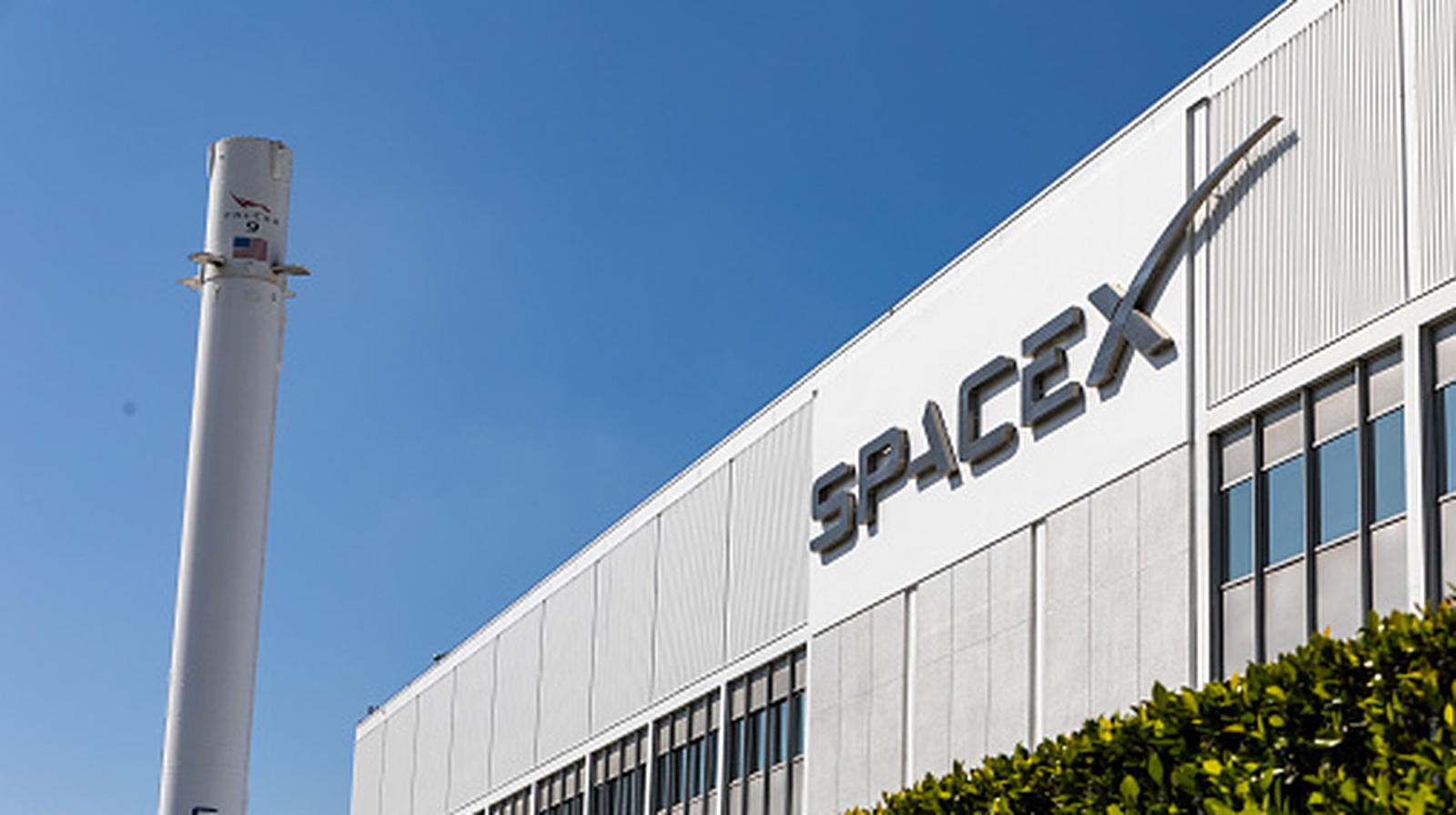
If you thought constructing massive AI data centers that consume electricity and water at a monumental scale was a recklessly short-sighted idea, Elon Musk is prepared to up the ante. SpaceX filed a request with the Federal Communications Commission last week to launch one million AI data centers into orbit. The astronomical figure would be larger than all of the man-made objects currently circling Earth. However, it’s doubtful that this is even feasible.
China has the same notion, but that doesn’t prove feasibility by a long shot. This ill-conceived project may simply be a justification for the $1.25 trillion valuation assigned to the merger of SpaceX and xAI. According to The Verge, the venture claims that placing AI data centers in orbit is an environmentally friendly alternative to facilities on Earth. The power-hungry satellites would be fed through sunlight. However, this position ignores the extreme temperature variations in space. In low Earth orbit, it can get as cold as -240 degrees Fahrenheit in the shade and as hot as 300 degrees in direct sunlight. Engineers would need to design a fail-safe system to keep heat-generating data centers within safe operating temperatures. The company seems more concerned with recreating a science fiction fantasy. SpaceX stated in its filing:
“Launching a constellation of a million satellites that operate as orbital data centers is a first step toward becoming a Kardashev Type II civilization — one that can harness the sun’s full power — while supporting AI-driven applications for billions of people today and ensuring humanity’s multiplanetary future among the stars.”
Orbit could get dangerously crowded fast
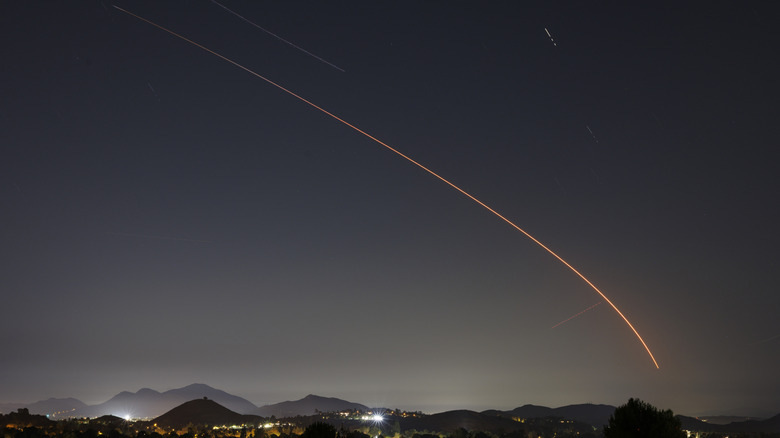
Before you conjure fears of a Musk-controlled computing Dyson sphere, it’s widely believed the FCC request is just the starting point to negotiations where federal regulators eventually approve a much smaller number of satellites. It’s highly unlikely that SpaceX could even lift one million satellites into orbit. Of the 15,000 satellites in orbit, over 9,600 are part of the Starlink constellation. While the private space company has the capacity to launch thousands of Starlink box-sats per year, each only has a five-year lifespan.
Orbit is only getting more and more crowded as different private companies and sovereign nations attempt to establish a footing on the celestial high ground. A Chinese space institute applied to the International Telecommunication Union to launch nearly 200,000 satellites. The African nation of Rwanda has applied for permission to operate more than 327,000 satellites. While it’s simply permission, a high number of objects in orbit could cause a catastrophic cascading disaster if two satellites collided.

