


A Hong Kong-based drone company outlines a five-year U.S. roadmap, raising questions about compliance, supply chains, and market access
A recent letter from Hong Kong-based drone company SKYROVER offers more than customer reassurance. It provides an early look at how some manufacturers may respond to growing regulatory pressure in the United States.
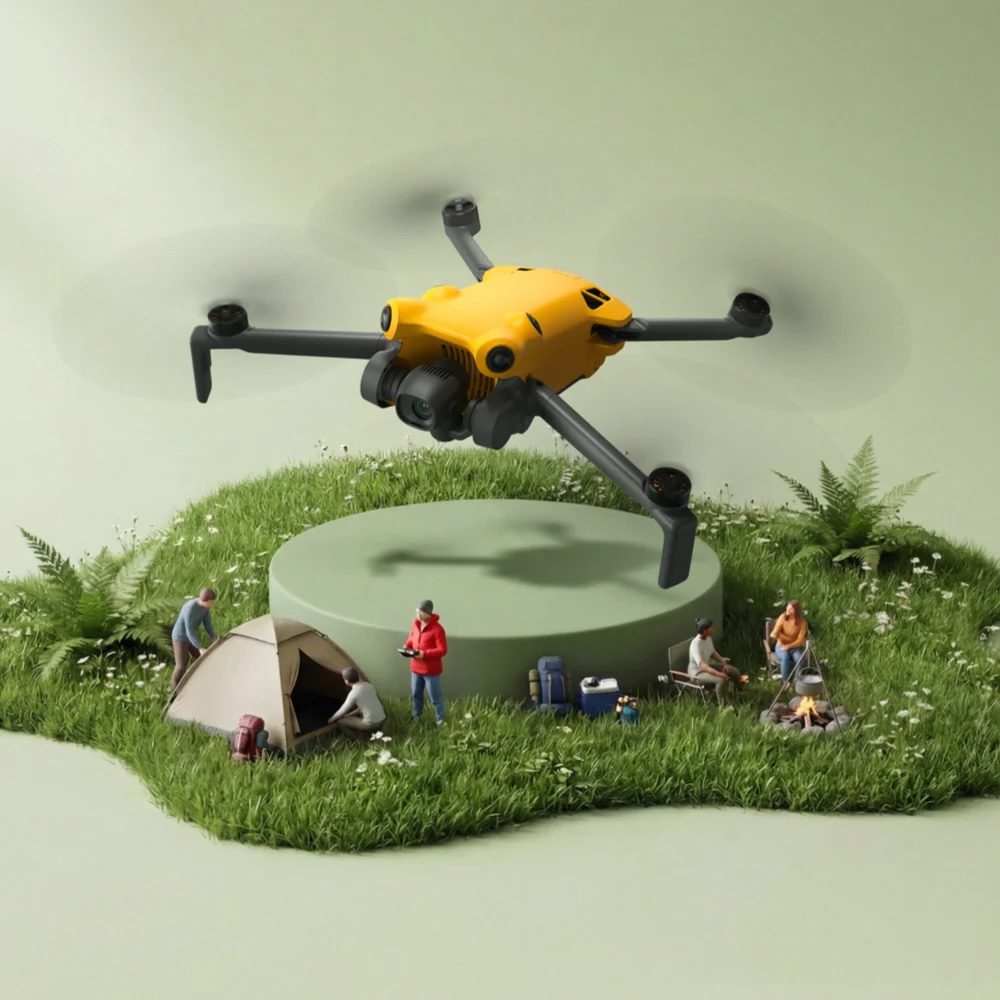
SKYROVER produces small recreational drones. The message, titled “A Letter to Our U.S. Customers: Our Long-Term Commitment to the Drone Community,” comes at a time when the Federal Communications Commission continues to shape the drone market through its Covered List and related policies.
For U.S. customers, the letter addresses practical concerns about compliance, availability, and long-term support. For the broader industry, it raises a larger question: will shifting manufacturing and operations to the United States be enough to maintain market access?
A Direct Response to Market Uncertainty
SKYROVER’s letter acknowledges growing concerns among U.S. users.
“We’ve heard your questions — about FCC compliance, long-term availability, and whether your drone will continue to be supported in the years ahead.”
The company states that all products currently sold in the United States meet FCC requirements.
“All SKYROVER products sold in the United States are FCC compliant and designed to meet current regulatory requirements.”
The letter also highlights efforts to strengthen distribution and support. SKYROVER says it is working with major retail partners and has established local customer service.
“In addition, we have established local customer support to provide faster service, including replacement-based solutions — not repairs — to minimize your downtime.”
These steps reflect a broader trend across the drone industry. Manufacturers are placing greater emphasis on compliance, service, and local presence as regulatory scrutiny increases.
A Five-Year Roadmap Points to Localization
The most notable part of the letter is SKYROVER’s long-term plan. The company outlines a phased approach to expanding its U.S. footprint.
In the short term, SKYROVER plans to maintain compliance and expand retail access. Over the next two to three years, it aims to build a stronger U.S.-based team and deepen partnerships.
The long-term goal signals a more significant shift, including: “Explore U.S.-based manufacturing and a localized supply chain.”
The company also emphasizes continued investment in product development.
“Sustain innovation and product development: Over the next five years, we will continue to invest in research and development, bringing new products to consumers every year. Continuous innovation is our way of communicating with customers — letting technology inspire exploration and the joy of discovering the world.”
This approach mirrors strategies seen in other industries facing geopolitical and regulatory pressure. Companies are moving closer to key markets to reduce risk and maintain access.
FCC Policy Continues to Shape the Market
The timing of SKYROVER’s announcement is important. The FCC’s Covered List has become a central factor in the U.S. drone ecosystem.
The list restricts certain equipment based on national security concerns. It also affects the ability of companies to secure authorization for new products.
For drone manufacturers, this creates a clear challenge. Products must meet technical requirements while also navigating broader policy concerns tied to supply chains and ownership.
Recent policy discussions have expanded attention to uncrewed aircraft systems and related components. As a result, companies are reassessing how and where their products are built.
Will U.S. Manufacturing Be Enough?
SKYROVER’s roadmap raises a key question for the industry. Can localized manufacturing address regulatory concerns?
For some companies, the answer may be yes. Smaller or newer manufacturers often have more flexibility. They can adjust supply chains and build local operations more quickly.
For larger firms, the situation is more complex.
Companies such as DJI face additional scrutiny tied not only to manufacturing location, but also to ownership and control.
U.S. policy tools extend beyond product compliance. Measures linked to the National Defense Authorization Act and proposed legislation such as the Countering CCP Drones Act focus on specific entities and perceived risks.
In these cases, shifting production to the United States may not fully resolve regulatory challenges.
A Signal of a Broader Industry Shift
SKYROVER’s letter may represent an early signal of change across the drone sector.
Manufacturers are moving from globally optimized supply chains toward region-specific strategies. Compliance, transparency, and local presence are becoming as important as performance and price.
The company closes its message by emphasizing long-term commitment.
“We are committed to ensuring that:
Your product remains usable and supported
You have access to reliable service and replacement options
SKYROVER continues to operate and grow in the U.S. market”
The statement underscores a central theme in today’s drone market. Trust is no longer based only on technology. It is shaped by policy, supply chain decisions, and the ability to adapt to a changing regulatory environment.
As more companies respond to these pressures, SKYROVER’s approach may offer a preview of what comes next.
Read more:

Miriam McNabb is the Editor-in-Chief of DRONELIFE and CEO of JobForDrones, a professional drone services marketplace, and a fascinated observer of the emerging drone industry and the regulatory environment for drones. Miriam has penned over 3,000 articles focused on the commercial drone space and is an international speaker and recognized figure in the industry. Miriam has a degree from the University of Chicago and over 20 years of experience in high tech sales and marketing for new technologies.
For drone industry consulting or writing, Email Miriam.
TWITTER:@spaldingbarker
Subscribe to DroneLife here.

