


March 28, 2026
Critics warn the directive could limit opportunities for minority-owned businesses and spark further legal battles.
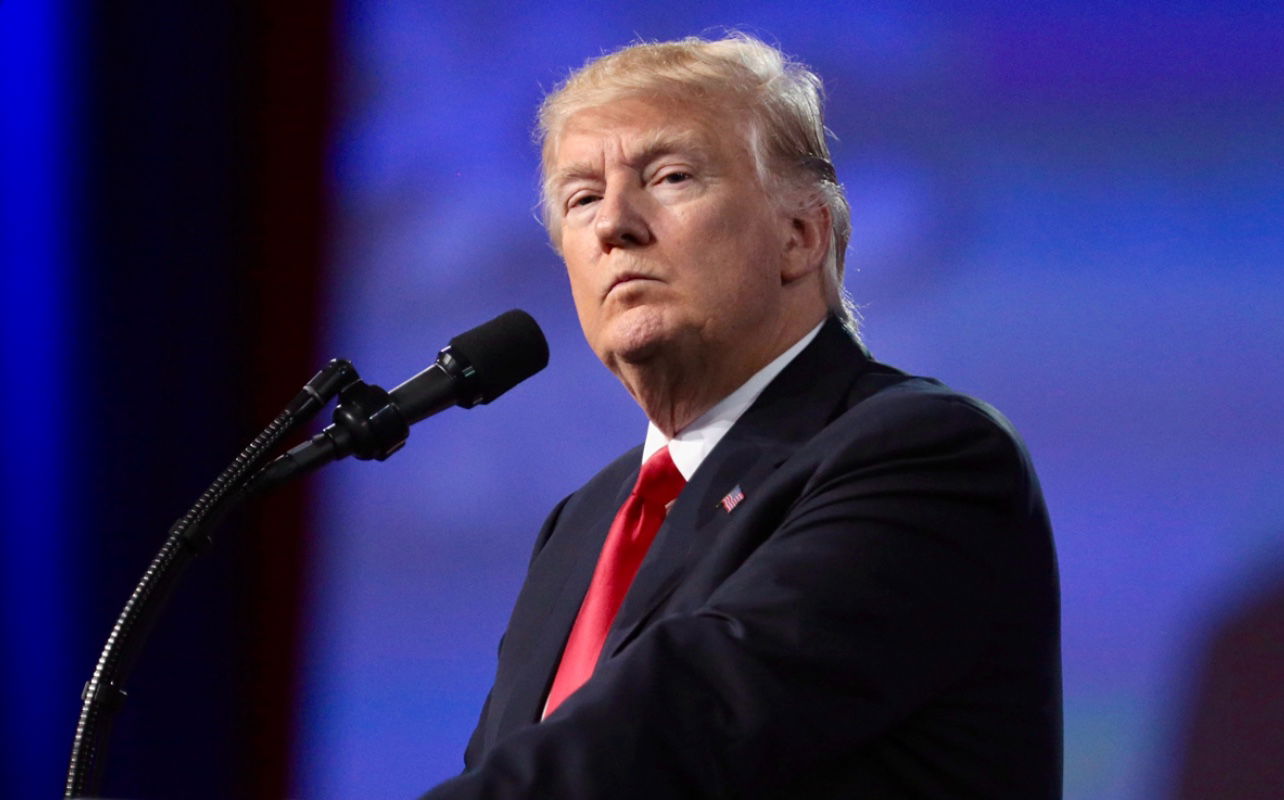
President Donald Trump has issued a new executive order intensifying his administration’s efforts against diversity, equity, and inclusion (DEI) initiatives, this time focusing on companies that do business with the federal government. Signed March 26, the directive instructs federal agencies to more closely monitor contractors and subcontractors for what it describes as discriminatory DEI-related practices. Under the order, companies may be required to provide internal financial and operational records to demonstrate compliance. Businesses found in violation could face penalties, including the loss or suspension of government contracts.
The order frames DEI initiatives as harmful, stating, “DEI activities are not only unethical and often illegal, but also cause inefficiencies, waste, and abuse within entities that engage in such practices.” It further argues that these programs introduce “artificial costs” into hiring and promotion decisions, claiming they undermine merit-based systems and contribute to workforce instability by prioritizing “immutable characteristics over job performance.”
The move builds on earlier actions taken by the Trump administration after his return to office, which targeted equity-focused programs across multiple sectors, including education, housing, and healthcare. Several of those efforts are currently being challenged in federal courts, leaving their long-term impact uncertain.
Administration officials have also promoted the idea that white workers, particularly men, face widespread bias—an assertion disputed by economic data showing they maintain comparatively low unemployment rates and hold a significant share of national wealth.
Advocates say the new policy could disproportionately affect minority-owned businesses, especially Black-owned firms that have historically relied on federal contracting as a pathway to economic stability. While participation increased slightly during the Joe Biden administration, such businesses still represented a small fraction of total federal contract awards.
Civil rights leaders argue the order risks reversing progress made in expanding access to government opportunities. Alphonso David, president and CEO of the Global Black Economic Forum, criticized the directive, telling The Grio, “This executive order is not only vague, but intellectually disingenuous and ignores existing laws.” He added, “The reality is that qualified people of color have been historically excluded from contracting opportunities based on their race and ethnicity—not merit.”
David pointed to similar efforts at the state level, noting, “We are already seeing this approach play out at the state level, including in Texas, where efforts to dismantle the Historically Underutilized Business program have disrupted thousands of businesses and triggered legal challenges.” He warned that the federal order signals a broader attempt to restrict access to public procurement, which he described as a critical driver of economic mobility.
He further emphasized the legal implications, stating, “Issuing an executive order to prohibit compliance with current civil rights law does not erase civil rights law, nor does it eliminate the remedies that exist to address real racial and ethnic discrimination.”
RELATED CONTENT: Prominent Black Execs Take A Deep Dive On The ‘Mood of America’ Amid The Backlash Of DEI

