


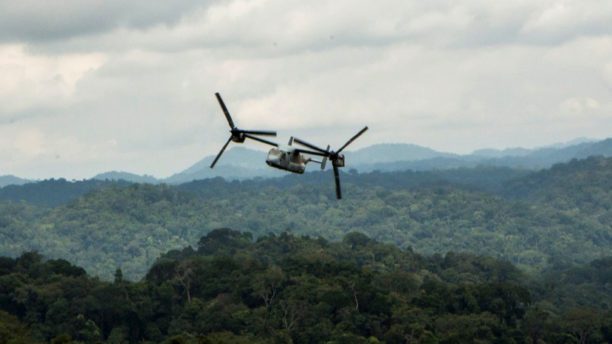
Lawmakers and defense officials debate whether the U.S. is ready for large-scale drone warfare as the Pentagon launches a major procurement effort.
Pentagon Signals New Demand for Low-Cost Attack Drones
The Pentagon has launched a major effort to rapidly scale the production of small attack drones, signaling a shift toward mass deployment of low-cost systems on the battlefield.
At a March 5 hearing of the Senate Armed Services Committee on the American small drone industrial base, Department of Defense officials outlined the first step in the Drone Dominance procurement program. According to testimony presented to lawmakers, the initial phase includes approximately $150 million in prototype delivery orders, beginning with a purchase of roughly 30,000 one-way attack drones.
Defense officials said the first order is intended to create immediate demand for American-made drones and expose supply chain limitations that the Pentagon and industry must address.
The opening order is part of a larger initiative designed to increase domestic drone production and reduce dependence on foreign components. Prepared remarks submitted to the committee indicate that the Drone Dominance program combines roughly $1.1 billion in funding over an 18-month period with a series of open competitions designed to expand manufacturing capacity while driving down unit costs.
The same remarks state that the Department of Defense intends to purchase more than 200,000 drones through the program by early 2028.
The program reflects growing recognition within the U.S. defense establishment that inexpensive drones are now a defining feature of modern warfare.
Conflicts in recent years have shown that small drones can provide reconnaissance, electronic warfare capabilities, and precision strike options at a fraction of the cost of traditional weapons systems. Military analysts have noted that some conflicts have seen thousands of drones used in a single month.
For the Pentagon, the challenge is not developing the technology. The United States already has a large ecosystem of drone companies and advanced autonomy software developers. The issue is production scale large enough to meet demand and drive prices down.
Drone Dominance is designed to test whether the American drone industry can manufacture large quantities of low-cost systems quickly enough to meet military demand.
The Debate Over U.S. Drone Readiness
The launch of the Drone Dominance program comes amid a growing debate in Washington about whether the United States is prepared for large-scale drone warfare.
At the March 5 hearing, Senate Armed Services Committee Chairman Roger Wicker said both the U.S. commercial drone industry and the Pentagon are “years behind the curve” in producing and employing drones. In prepared remarks, he also argued that China has captured more than 90 percent of the global market for small non-military drones through subsidies, pricing pressure, and supply-chain control.
Defense officials have raised similar concerns.
A 2025 Department of Defense memorandum addressing small drone capabilities warned that U.S. military units still lack sufficient quantities of lethal small drones. The memo also stated that potential adversaries collectively produce millions of inexpensive drones each year.
These concerns have fueled a broader narrative that the United States could struggle to match the scale of drone production seen in other parts of the world.
At the same time, industry leaders and policymakers note that the U.S. retains significant advantages in areas such as autonomy, sensors, software, and advanced manufacturing.
The challenge, they say, is translating those strengths into high-volume production.
The Drone Dominance program represents one attempt to close that gap by creating a clear demand signal for American manufacturers. Instead of relying on traditional procurement cycles that can take years, the program is structured around rapid testing events and successive purchasing rounds.
How the Drone Dominance Program Works
Drone Dominance is structured as a series of competitive evaluation events known as “Gauntlets.”
In February, the Pentagon announced that 25 vendors had been selected to participate in the first phase of the program. During the evaluations, companies demonstrate their drone systems under operational conditions designed to simulate real-world battlefield challenges.
Prepared remarks submitted to the Senate Armed Services Committee indicate that Phase I of the program will likely produce approximately a dozen winners.
Later phases will gradually narrow the vendor pool to a smaller number of suppliers capable of meeting the Pentagon’s performance and manufacturing requirements.
Officials expect the final phases to involve roughly three to five vendors.
Each phase of the program will also introduce more demanding operational scenarios. These include environments where communications may be limited or disrupted and where navigation systems such as GPS may not be available.
The Pentagon is also tightening supply-chain rules as the program progresses.
According to the prepared testimony, Phase I entrants are being reviewed for compliance with existing restrictions on foreign components. Beginning in Phase II, the Department of Defense plans to stop purchasing systems that rely on motors or battery systems sourced from certain covered countries.
These measures reflect a broader push across the U.S. government to reduce reliance on foreign technology in critical defense systems.
What Comes Next
The next phase of the program will focus on transitioning from testing to delivery.
According to Defense Department officials, Phase I orders are expected to be placed shortly after the initial evaluations, with deliveries beginning soon afterward. The next competitive event is expected to occur approximately six months after the first.
Additional Gauntlet rounds will follow as the Pentagon expands procurement and further narrows the supplier base.
For the drone industry, the program represents both an opportunity and a challenge.
If successful, Drone Dominance could provide a sustained demand signal that encourages manufacturers to invest in domestic production capacity and supply chains. At the same time, companies will need to demonstrate that they can meet performance requirements while producing drones at significantly lower costs.
Ultimately, the program is intended to answer a critical question for the U.S. defense establishment.
Rather than debating whether the United States is prepared for a drone-centric battlefield, the Pentagon is now testing whether American industry can scale quickly enough to support it.
Read more:

Miriam McNabb is the Editor-in-Chief of DRONELIFE and CEO of JobForDrones, a professional drone services marketplace, and a fascinated observer of the emerging drone industry and the regulatory environment for drones. Miriam has penned over 3,000 articles focused on the commercial drone space and is an international speaker and recognized figure in the industry. Miriam has a degree from the University of Chicago and over 20 years of experience in high tech sales and marketing for new technologies.
For drone industry consulting or writing, Email Miriam.
TWITTER:@spaldingbarker
Subscribe to DroneLife here.

