



Have you heard the news? We’re making headlines around the world. Here’s a taste of the stories our work has inspired over the past few weeks.
CNN: “Their husbands were killed by tigers. Now these women are restoring the big cat’s habitat”
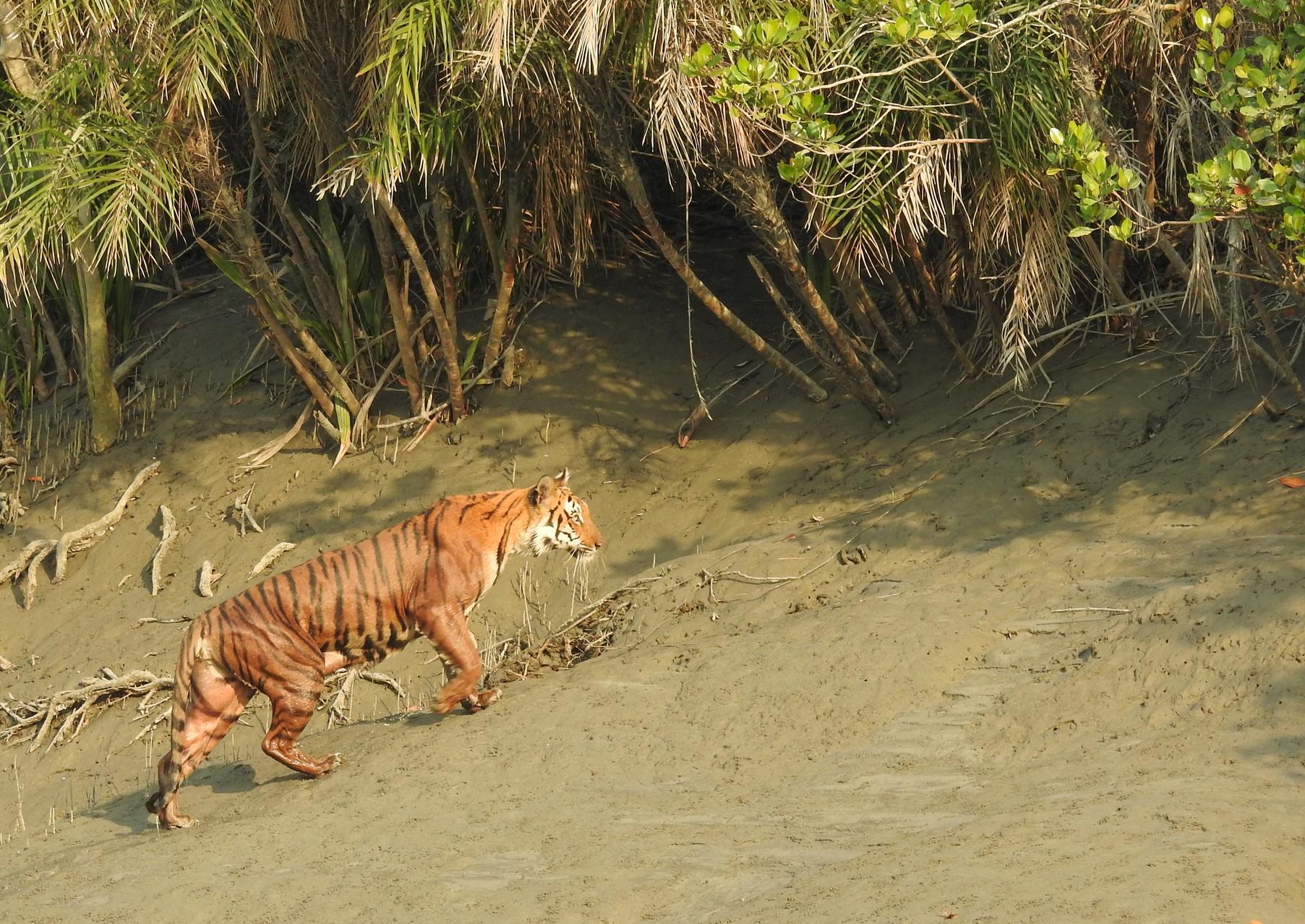
In West Bengal, India, and southern Bangladesh, women who lost loved ones to tiger attacks are turning grief into something extraordinary: restoring the forests where their lives were forever altered. Through Conservation International’s Mountains to Mangroves initiative, they’ve planted more than 100,000 mangrove saplings to help restore the world’s largest mangrove forest — rebuilding habitat where deforestation has forced people and tigers into closer contact.
Mongabay: “New study points to private land as key to Atlantic Forest recovery”
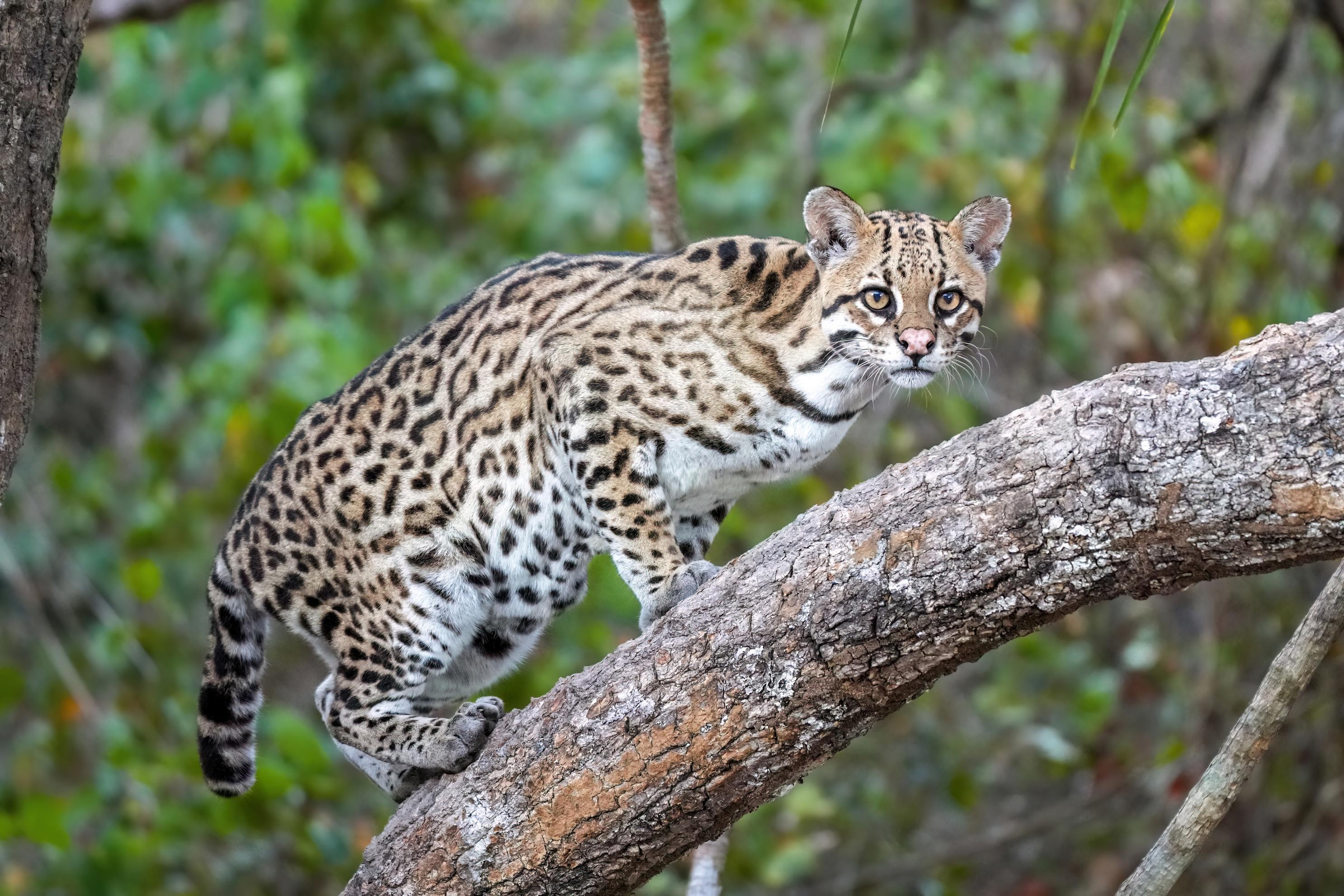
Brazil’s Atlantic Forest is one of the world’s most biodiverse — and most imperiled — tropical forests. Today, as much as 90 percent of the original forest has been cleared for agriculture and urban infrastructure. What remains is broken into thousands of small, isolated fragments — much of it on private land. Can those fragments be kept intact by individual landowners?
A new study reported by Mongabay suggests the answer is yes. “We have data, we have numbers, we have concrete evidence that it happens, even on private land,” said Ludmila Pugliese de Siqueira, a biologist a Conservation International. “Restoration is already reality and it happens in a Brazilian way — with creativity, partnership and persistence.”
Revista Nómadas (Bolivia): “Bolivia adds almost 1 million hectares to its growing ‘conservation mosaic’” (in Spanish)
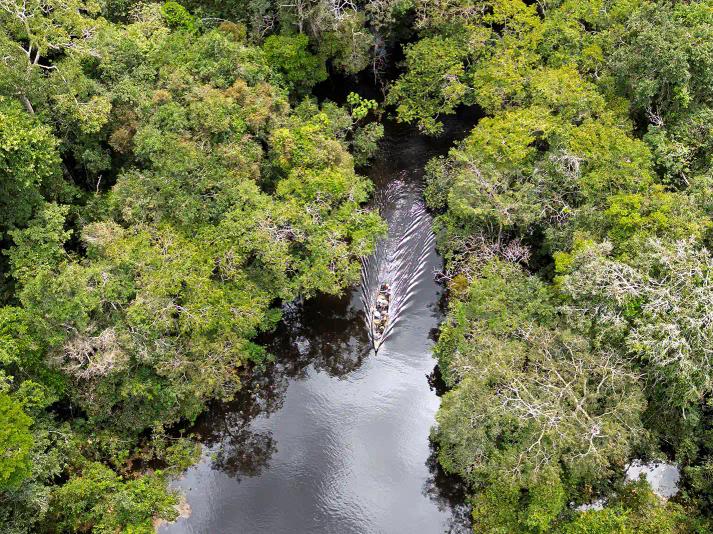
This month, Bolivia granted legal protection to four critical protected areas, strengthening a national conservation network that stretches from the Andes to the Amazon. The newly designated areas were shaped by local leadership, with Conservation International-Bolivia helping guide the designation process alongside communities and government partners.
As Revista Nómadas reports, they also play a strategic role in Bolivia’s broader conservation mosaic — linking national parks, migratory corridors and watersheds that sustain wildlife and people.

