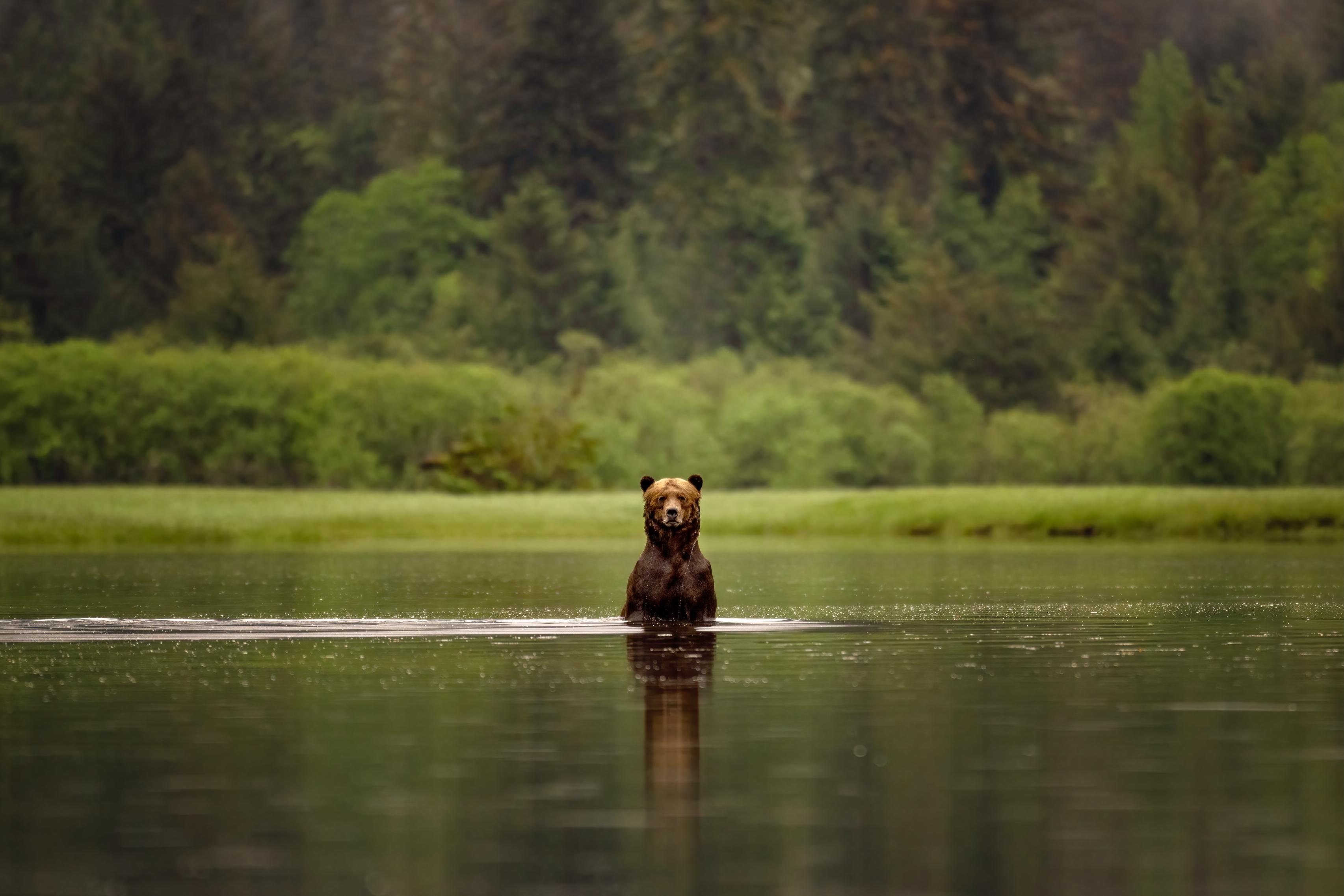
For many, 2025 will be another year marked by climate doom. But not all news was bad. Beneath the grim headlines, plenty of solutions moved from theory to practice this year.
Our top climate stories of 2025 took us into the lives of communities on the front lines, adapting their way of life; into the field and the lab, where new research is guiding protection in the places most important to our climate future; and alongside experts testing bold new approaches — from restoring mangrove forests to proving that forests can be worth more standing than cut down.
You can advance this work in 2026 — backing the people and ideas that are helping nature recover and endure.
Here are some top highlights from the year:
For one former logging company, nature’s green is gold
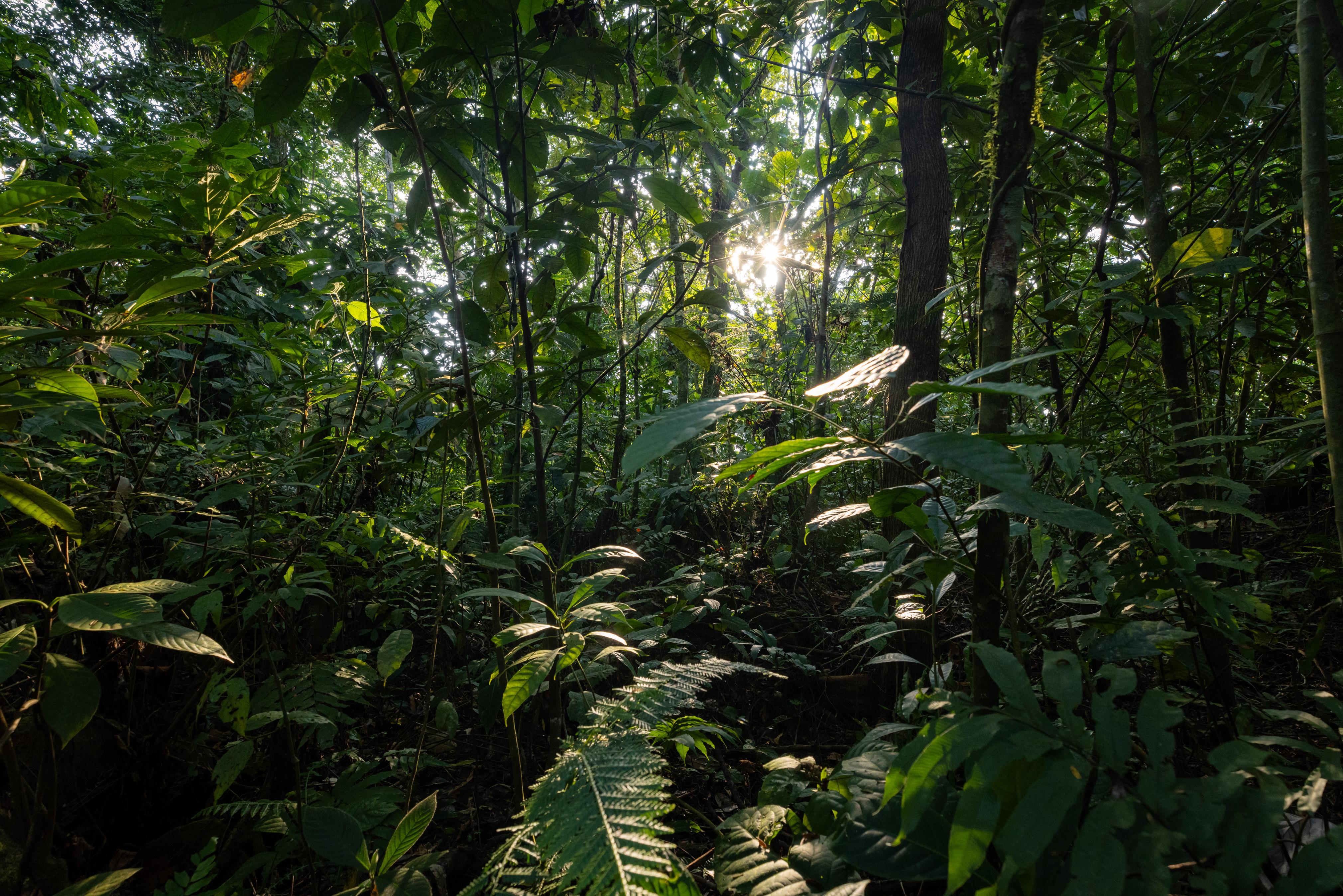
Green Gold Forestry (GGF) began as a logging company in the Peruvian Amazon. Today, it calls itself a conservation company — the result of a deliberate shift away from timber and toward forest-based goods like fruits, oils and handicrafts. In this conversation with Conservation News, leaders from GGF and CI Ventures (Conservation International’s investing fund) explain how that transition is helping local communities earn a living from the forest without cutting it down — and why building economic value from standing forests may be the most durable path to protecting the Amazon and our climate.
Can Mongolia’s oldest traditions survive a changing climate?
For Mongolian herders, adaptability is survival. Winds roar without warning, strong enough to knock a rider sideways. Droughts linger, then vanish beneath blizzards. Nothing here is static — not the weather, not the steppe, and certainly not the people, who endure through movement, memory, and deep knowledge of the land. But as climate change accelerates, the pace of change is no longer seasonal. Can traditions shaped over centuries keep up?

Is there a better way to farm shrimp? A new project says yes
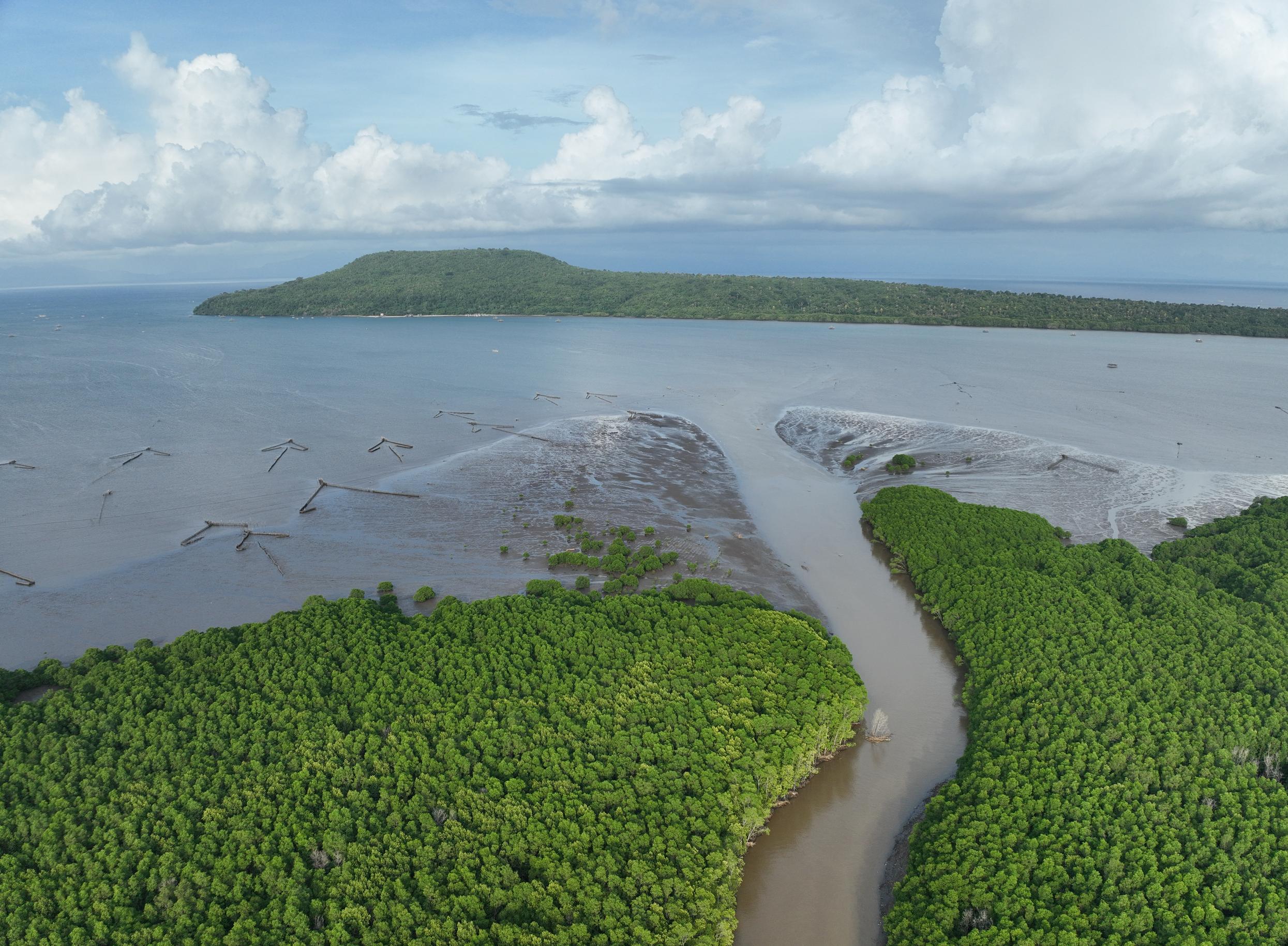
For years, shrimp farms followed a familiar pattern: clear the mangroves, dig the ponds and harvest what you can. But as global demand for shrimp has grown, that “boom-and-bust” cycle has pushed farms into some of the world’s last intact mangrove forests. In the coastal village of Lalombi in Central Sulawesi, Indonesia, a new chapter is unfolding — one that includes more shrimp and more mangroves.
“The equation is simple,” said Dane Klinger, who leads Conservation International’s Climate Smart Shrimp program. “We’re helping farmers grow more shrimp on less land, so they can return the rest of their farms to mangroves. It’s a shift that we think could disrupt the entire industry.”
Hawai‘i passes landmark tourist fee to fight climate change
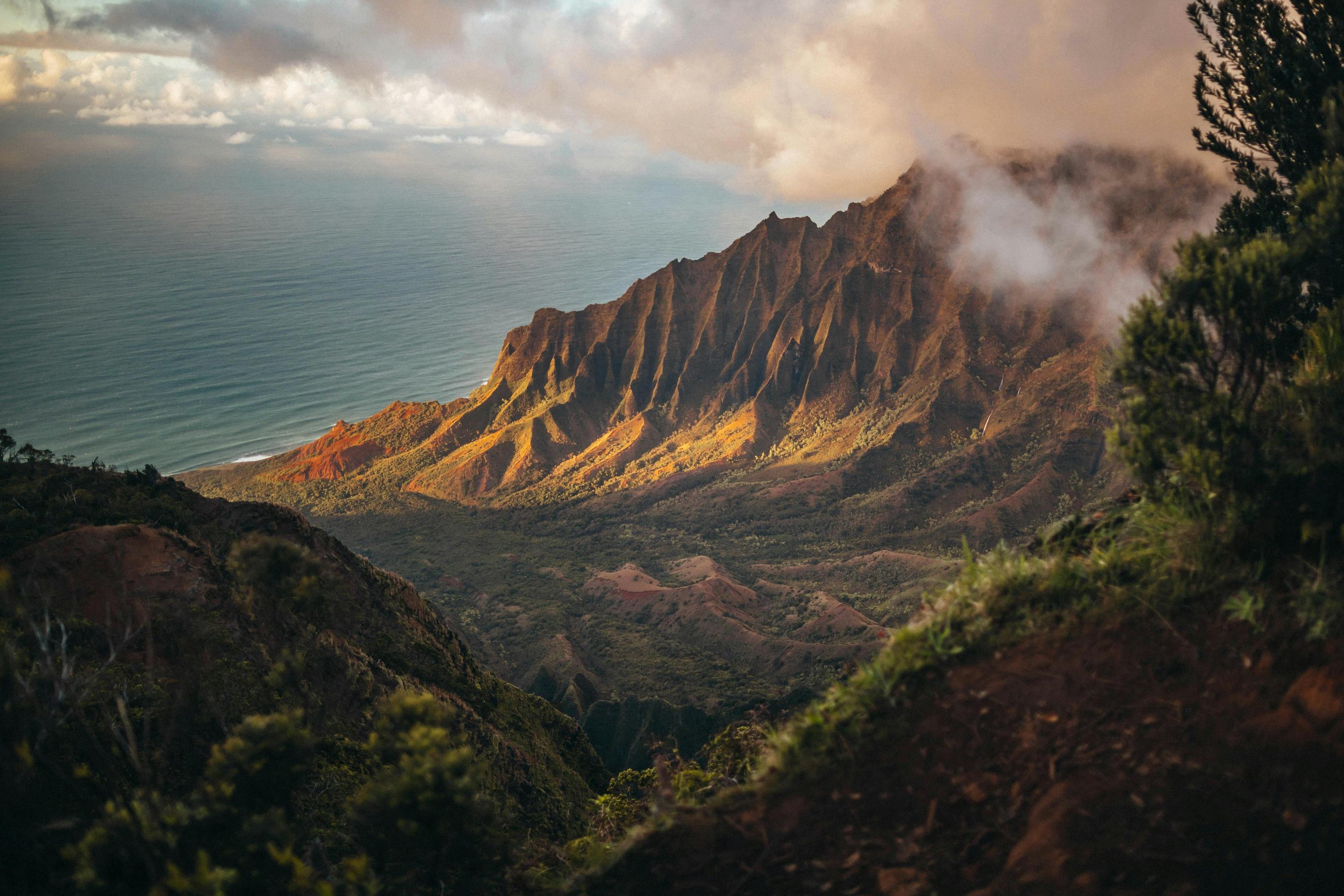
Like many island communities, Hawai‘i is on the front lines of the climate crisis — facing rising seas, stronger storms and longer wildfire seasons. But this year, Hawai‘i lawmakers passed a first-of-its-kind bill imposing a small fee on visitors — a “green fee” that will fund coral reef restoration, revive native forests and help combat invasive grasses like those that fueled the deadly Lahaina wildfire in 2023.
“This started out as a moonshot idea,” said Jack Kittinger, who leads regenerative economies at Conservation International. “But as we worked on this over many years, it became more and more clear that this was necessary for our survival.”
Protected areas slow the loss of Earth’s most critical carbon
There are ancient places in nature — the black soils of northern bogs, waterlogged mangrove roots and the dense heartwood of tropical trees — where climate-warming carbon has slept undisturbed. Scientists call this “ irrecoverable carbon ” because, if emitted into the atmosphere, it cannot be restored in time to prevent climate breakdown. New research from Conservation International shows that while much of this carbon is slipping away, a wave of protection is beginning to slow the loss.