


Every time I board a plane, I pray to a god I don’t believe in that no one goes into labor on my flight. A crying baby on a plane is bad enough, but add in everything else involved in the birthing process, including the medical risk for the person actually having the baby, and nope. Nope, nope, nope. That’s an experience I’m happy to leave to other people. Reading about it when you weren’t involved or affected, however, is much more entertaining. Which is good, because ABC News reports someone just had another plane baby.
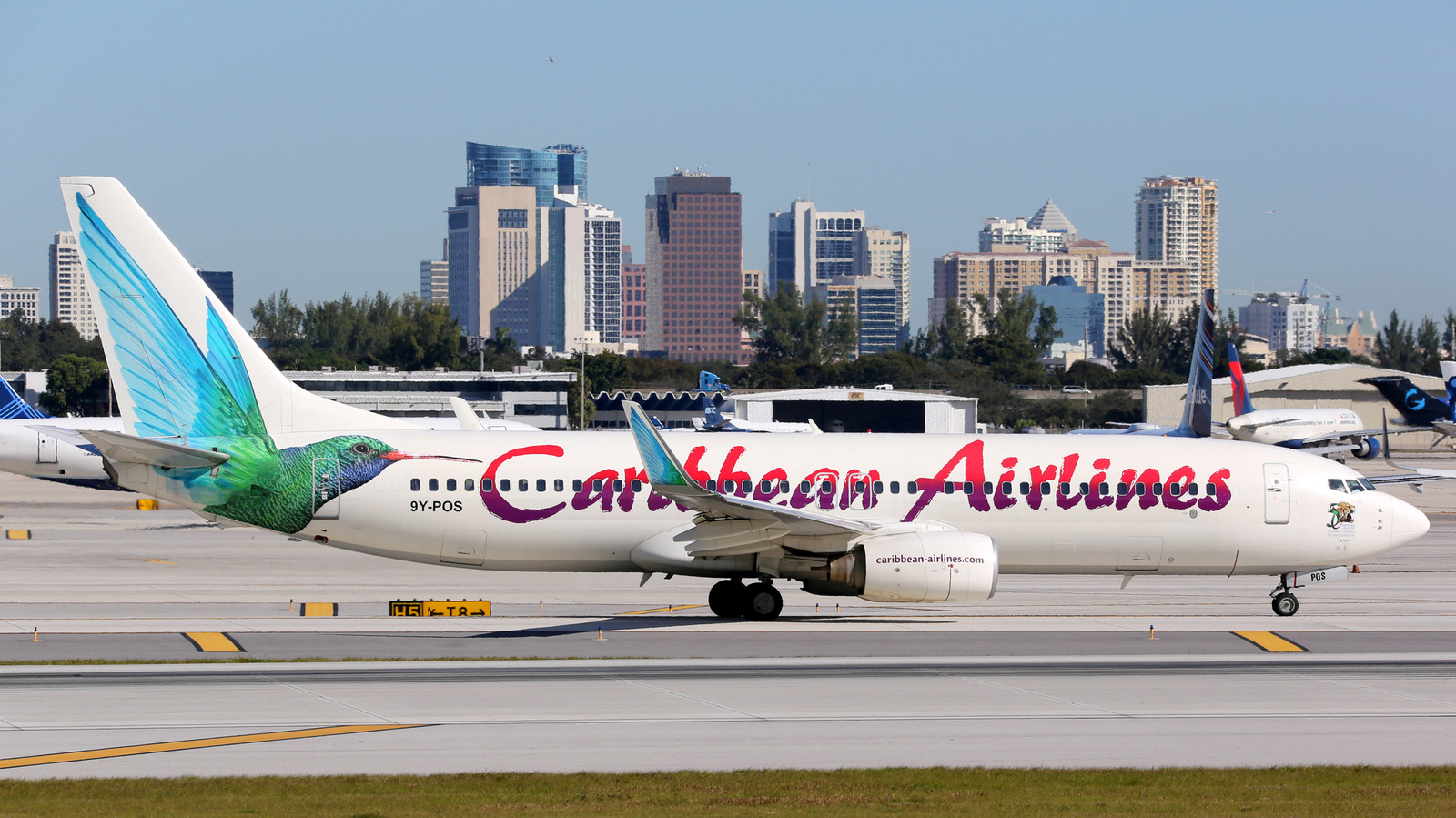
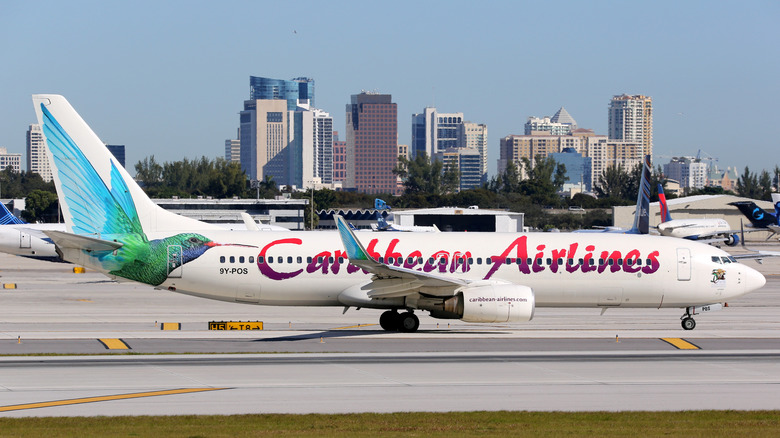
This time around, the plane baby showed up on a Caribbean Airlines flight from Jamaica to New York. The newborn’s mother hasn’t been named in any of the reports I’ve seen, presumably because her interest in privacy outweighs the public interest here, but it appears both the mother and baby are doing just fine, despite the unconventional birthing location. In a statement, Caribbean Airlines confirmed the incident and said, “Upon arrival, the mother and newborn were attended to by medical personnel and are receiving the necessary care.”
According to ABC News, the mother in question came closer than you’d expect to making it off the plane before having her baby. She reportedly went into labor on the flight but didn’t officially give birth until the plane was landing. Did a rough landing shake the baby out, officially making this the pilot’s fault? Probably not, but you’d think more people would be asking that question. That said, the air traffic controller did reportedly joke that they’d need to name the baby “Kennedy,” since it was born as the plane landed at NYC’s John F. Kennedy International Airport.
Flying while pregnant
Generally, doctors recommend against having your baby on a plane, presumably because they’re all in the pocket of Big Not Dying In Childbirth. ABC News reports that it isn’t clear how far along this particular mother was, but according to Caribbean Airlines’ policy, pregnant passengers can fly without a doctor’s note until their 32nd week of pregnancy. At that point, they recommend “that you obtain a doctor’s statement verifying the expected date of confinement to prevent the possibility of being denied boarding by check-in staff or barred from entering the destination country by immigration.”
Officially, the note showing a doctor has medically cleared that pregnant passenger to fly can only be accepted for about three weeks. Per Caribbean Airlines’ policy, “expectant mothers will not be accepted for travel after the 35th week of pregnancy.” Due dates aren’t an exact science and babies can come early for all sorts of reasons, but if this woman had her baby on the plane, odds are, she bought her ticket without properly disclosing how far along she was. As ABC News points out, regardless of how long someone has been pregnant, it’s always best to speak with a doctor before flying:
Guidance from the American College of Obstetricians and Gynecologists regarding traveling while pregnant states that while risk factors can change depending on specific pregnancy timelines and conditions, “It’s usually safe to travel until close to your due date as long as you take safety precautions to ensure a safe and enjoyable journey.”
“Travel may not be recommended if you have pregnancy complications,” the organization states.
ACOG advises pregnant women to speak with a doctor when planning air travel.
Pregnant travelers should consider the possibility of pregnancy emergencies occurring away from their usual care providers, according to ACOG.

