


DoD Seeks Automated Infrastructure to Support Large-Scale Autonomous Drone Operations
The U.S. Department of Defense (DoD), through the Defense Innovation Unit (DIU), has opened a new Commercial Solutions Opening (CSO) seeking industry solutions for a Containerized Autonomous Drone Delivery System (CADDS).
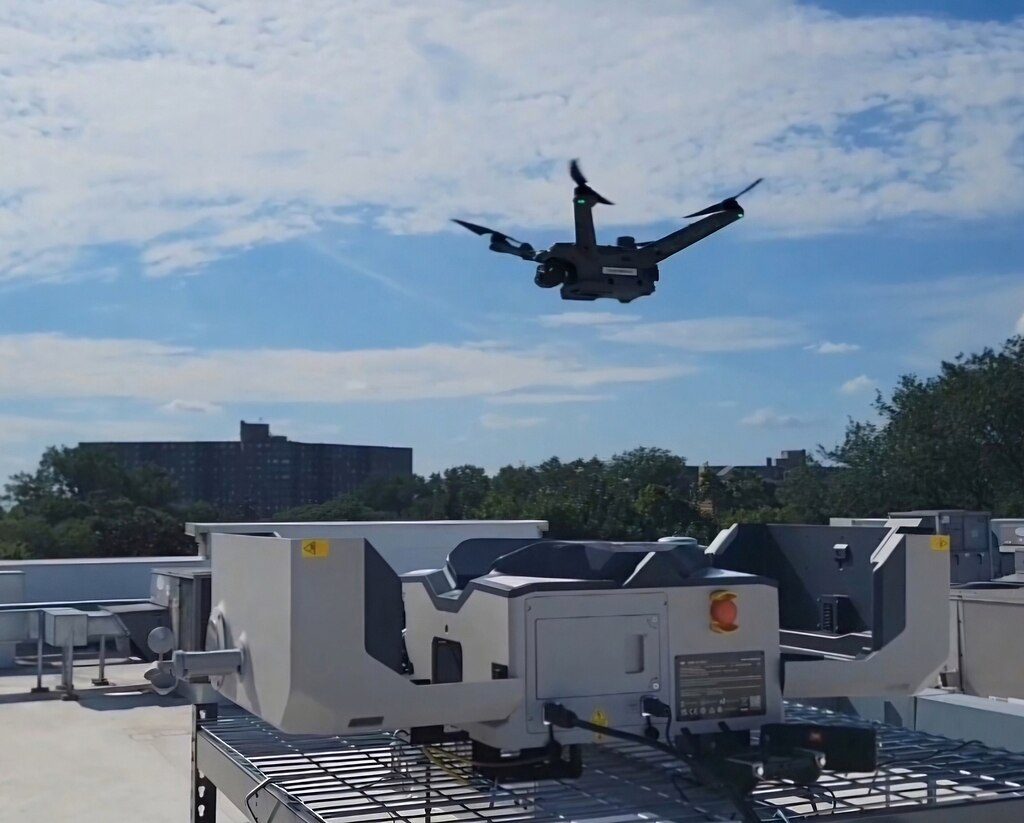
The effort focuses on developing containerized systems that can store, launch, recover, and refit unmanned aerial systems (UAS) with minimal human involvement. The goal is to enable rapid deployment of large numbers of drones while reducing the workload and risk for operators.
DIU states that current drone operations largely rely on a one-to-one model, where each aircraft requires a dedicated operator. This model limits scalability and slows deployment in dynamic or contested environments. CADDS aims to change that operational model.
The solicitation describes the objective as enabling containerized infrastructure that supports automated drone operations, rapid emplacement, and remote command and control.
Addressing a Scalability Gap
As demand grows for large drone formations and distributed operations, the DoD is seeking systems that move beyond manual launch and recovery.
According to the solicitation, solutions should be capable of autonomous or semi-autonomous handling of drones inside containerized units. This includes automated storage, launch, recovery, and refit processes.
The DoD is also looking for systems that can support both homogeneous fleets and mixed groups of drones. This flexibility is intended to allow different aircraft types and payloads to operate from a common infrastructure.
Another key requirement is reduced crew size. The government states that systems should require no more than two personnel to operate, with a preference for even lower staffing.
Desired Capabilities
DIU outlines several characteristics for proposed solutions:
-
Rapid transport and setup from vehicles, ships, or aircraft
-
Containerized infrastructure for automated drone handling
-
Support for multiple drone types and configurations
-
Minimal crew requirements
-
Local and remote command and control options
-
Compatibility with the Modular Open Systems Approach (MOSA)
The MOSA requirement reflects a desire to keep systems upgradeable over time. Open architectures allow new components, software, and hardware to be integrated without full system redesign.
The DoD also emphasizes reliability in austere environments. Systems should function in low-light conditions and adverse weather while maintaining operational readiness.
Reducing Risk to Personnel
One of the core drivers behind the project is reducing exposure of operators in contested or high-risk environments.
Automated launch and recovery removes the need for personnel to remain near active flight operations. It also limits the number of people required forward in the field.
The solicitation notes that solutions should aim to reduce operator workload while improving overall mission tempo. Faster launch cycles and automated recovery could allow more frequent sorties without increasing staffing.
Who Can Submit
The CSO is open to U.S. and international companies that meet eligibility requirements under Other Transaction Authority (OTA). OTA agreements allow the government to move more quickly than traditional contracting methods when prototyping emerging technologies.
Selected vendors may receive a prototype other transaction agreement. Successful prototypes could lead to follow-on production awards without a new competition.
DIU encourages submissions from companies with mature technologies as well as teams capable of rapid integration and development.
Timeline
It’s a quick turnaround. Submissions are due by February 17, 2026. DIU will review responses and may invite selected companies to submit full proposals.
If prototypes meet performance goals, the DoD could move toward fielding containerized autonomous drone delivery systems across multiple operational units.
Broader Context
The CADDS solicitation reflects a broader DoD push to scale unmanned systems and automate supporting infrastructure.
Rather than focusing only on new aircraft, the department is increasingly looking at the ecosystem around drones. This includes launch systems, command and control, logistics, and sustainment.
Containerized, automated infrastructure could become a foundational element for future drone operations. By reducing manpower requirements and increasing deployment speed, these systems may help the DoD operate larger drone forces with greater flexibility.
For industry, the project signals continued demand for solutions that combine autonomy, robotics, and open architectures. Companies developing drone-in-a-box systems, automated hangars, and modular launch platforms may find alignment with this emerging requirement.
Read more:

Miriam McNabb is the Editor-in-Chief of DRONELIFE and CEO of JobForDrones, a professional drone services marketplace, and a fascinated observer of the emerging drone industry and the regulatory environment for drones. Miriam has penned over 3,000 articles focused on the commercial drone space and is an international speaker and recognized figure in the industry. Miriam has a degree from the University of Chicago and over 20 years of experience in high tech sales and marketing for new technologies.
For drone industry consulting or writing, Email Miriam.
TWITTER:@spaldingbarker
Subscribe to DroneLife here.

