


The nominations for the 2026 Oscars have finally been announced, and while “Sinners” managed a record-setting 16 nominations, the dark, comedic action thriller “One Battle After Another” wasn’t far behind, earning 13 nominations. For those keeping track at home, that’s only one behind “Titanic,” a movie that’s allegedly very good, and “La La Land,” a movie made specifically for the most annoying theater kids you’ll ever meet. It’s worth watching for Teyana Taylor’s performance alone, but it also showcases one seriously cool car chase that I suspect will be the real draw for any Jalopnik readers who haven’t seen it yet.
Whether you’ve already seen “One Battle After Another” or still need to, Variety just released a video that explains how they shot the car chase to give it that gritty, 1970s look, and either way, you’re probably going to like it. As filmmaker Michael Bauman explains, the chase scene really started with finding the right location — not necessarily to give it the perfect background but because the rolling hills cut visibility and add to the suspense. It’s one thing to try to escape someone chasing after you when they’re always visible in your rearview mirror, but it’s something else entirely when you know they’re behind you and keep disappearing, only to reappear yet again.
The magic of practical effects
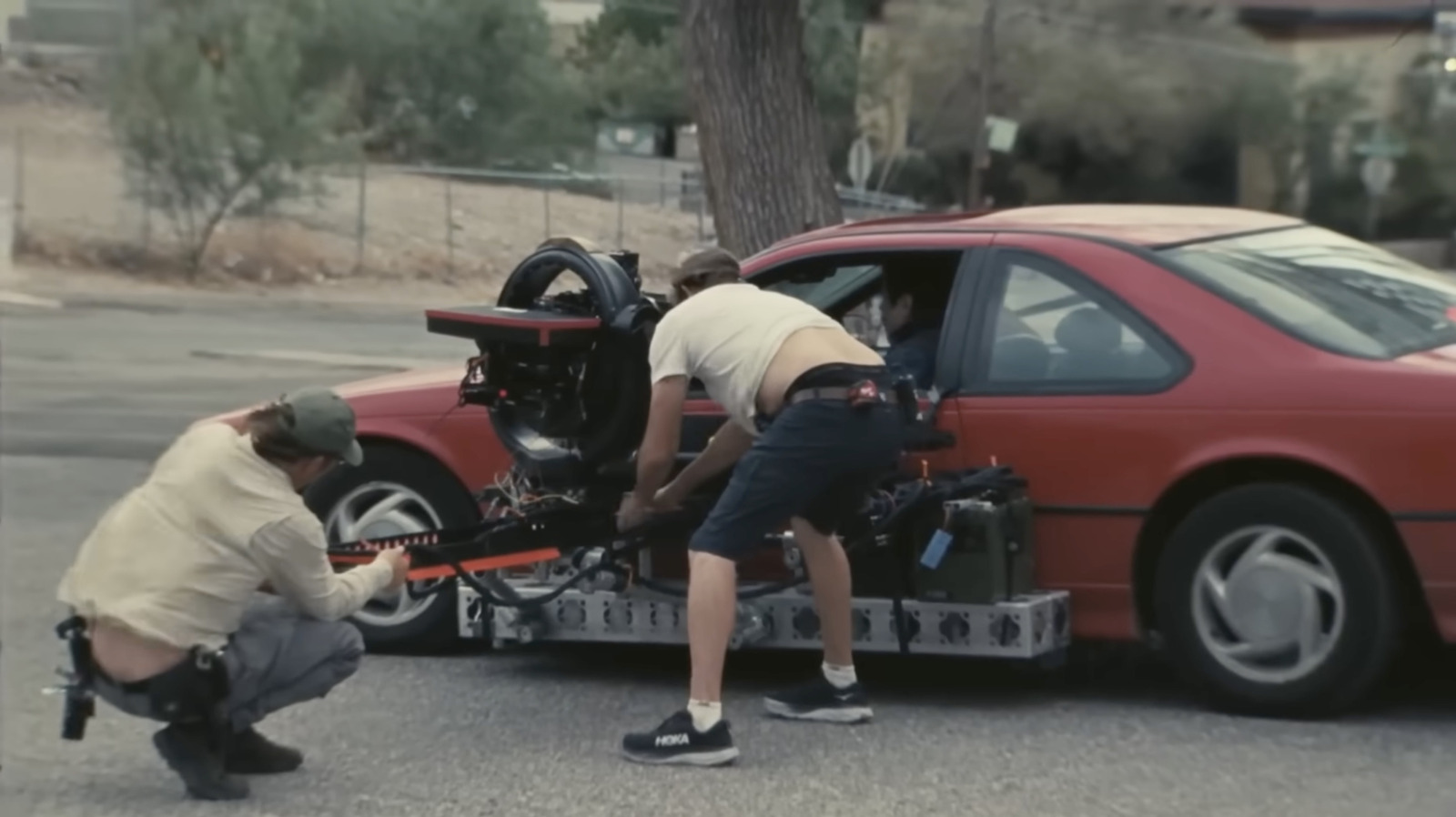
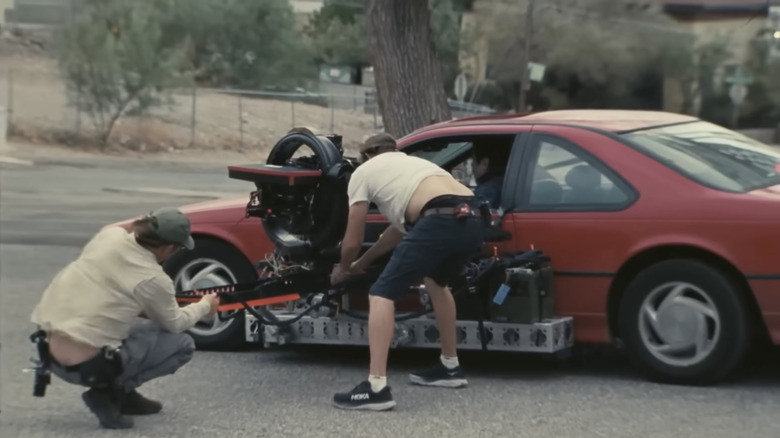
According to Bauman, the car chase also wouldn’t have been nearly as cool if they hadn’t worked with Allan Padelford Camera Cars, whose work has been featured in a few other films you may have seen, such as “Jason Bourne,” “The Fate Of The Furious,” and “Baby Driver.” Using the rigs Padelford built, they were able to keep the cameras incredibly close to the ground while they shot the chase, allowing them to play around with both speed and scale.
Since they chose to shoot the chase on an actual road, they also had to deal with traffic and could only shoot in short intervals. As a result, they sometimes had to shoot from the front and the rear of the camera car at the same time, which likely contributed to the frenetic feel of the chase. But the most important thing might be that they used as many practical effects as possible. If they’d shot the same chase entirely in front of a green screen, it might have been cheaper, but it would have also looked way worse and probably wouldn’t have been nearly as memorable.
Can you find chase scenes that involve more cars and more expensive cars? Sure. But it’s still great to see Hollywood keep the old-school car chase alive.

