


Cars are complicated machines with thousands of parts, lots of complicated terminology, and intricate engineering that all need to work together in harmony to provide drivers with the best ownership experience possible. Fortunately, the average person doesn’t really need to acquaint themselves with the inner workings of most components, but this is Jalopnik after all, so we know you’re not the average person — you’re a car person. If you’ve been at a cars and coffee listening to discussions about final drive ratios that have left you smiling and politely nodding your head despite not actually knowing what’s being discussed, this is for you.
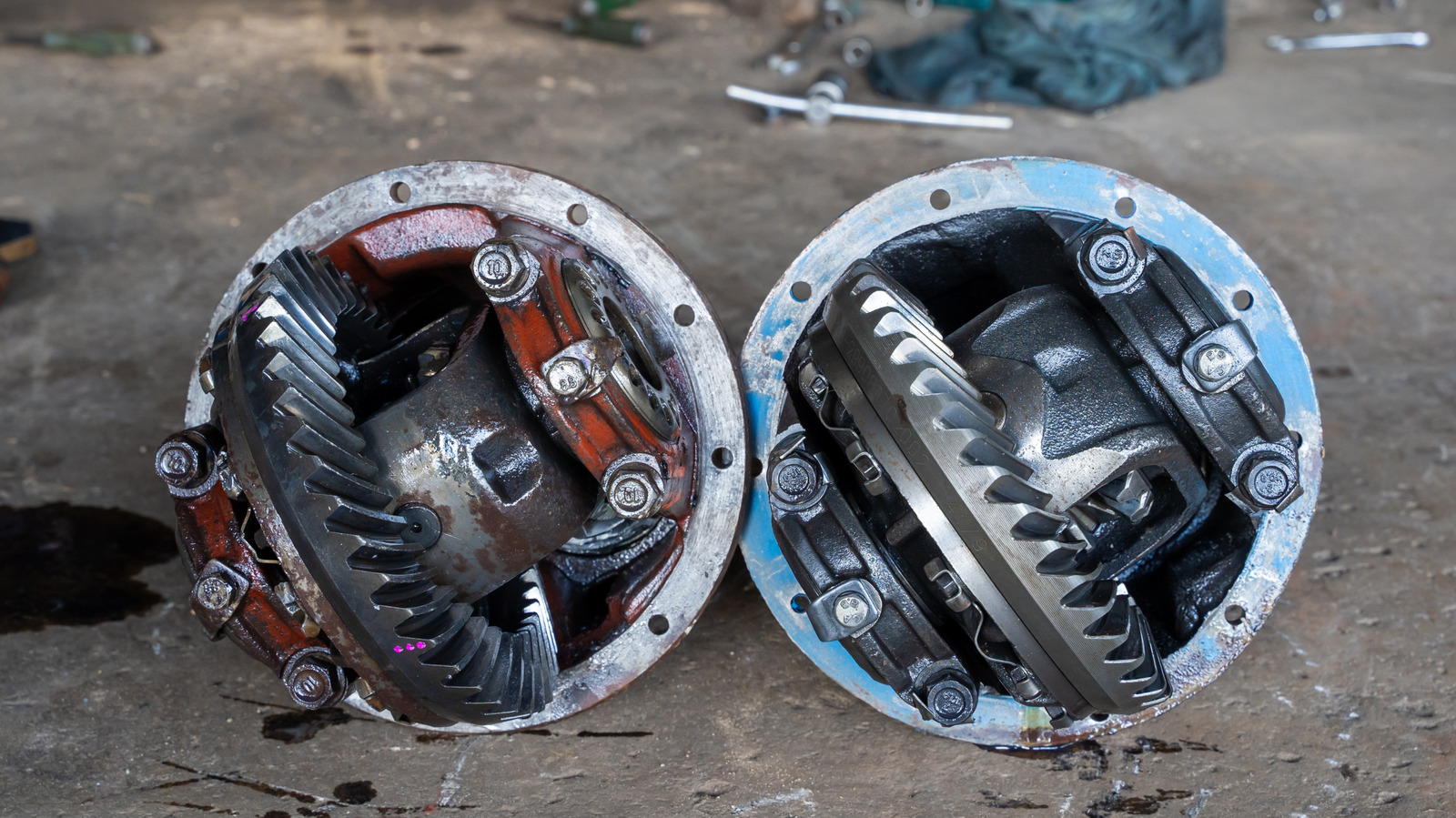
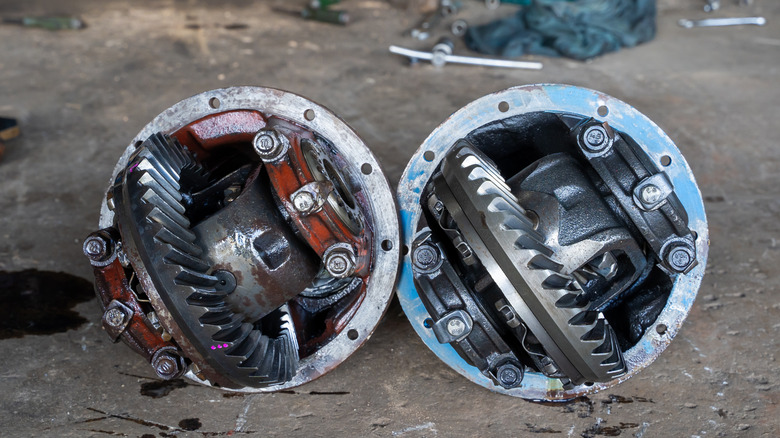
Simply put, the final drive ratio is the gear ratio inside a vehicle’s differential or transaxle depending on the engine and drivetrain layout. More specifically, it’s the ratio of the number of rotations the crankshaft has to make in order to turn the drive wheels one rotation. It dictates the car’s range of speeds and torque available in each gear, not just the top gear.
Numerically higher ratios require the engine to spin at a higher RPM to maintain a given road speed, which decreases highway fuel efficiency and lowers the theoretical top speed, but provides quicker acceleration and more power at lower speeds. Numerically lower ratios are referred to as “taller gearing,” and they increase acceleration times but allow engines to operate at lower RPMs at higher speeds, thus increasing highway fuel efficiency and increasing theoretical top speeds.
Real-world examples help
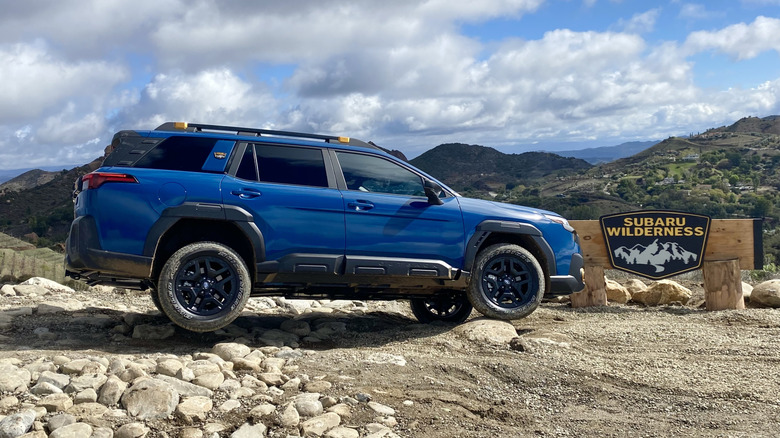
Let’s look at the 2026 Subaru Outback Wilderness as an example. Since it’s a Wilderness model that’s more aimed at off-road driving and towing, it has a shorter final drive ratio of 4.44:1 over the standard Outback’s 4.11:1 ratio. The shorter final drive ratio in the Outback Wilderness allows it to get off the line quicker, yes, but more importantly it allows drivers access to more torque at low speeds to climb steep inclines, tackle muddy trails, or traverse rocky terrains. It also gives the Wilderness a higher maximum trailer towing weight limit because the gearing allows more power to reach the pavement at lower speeds. The tradeoff is worse fuel economy since the shorter gearing causes the engine to work harder, thus using more fuel, to maintain speeds.
Hopefully this gives you a cursory understanding of final drive ratios and the ways that different final drive ratios can affect vehicle performance and fuel efficiency. Now you’ll be able to at least know a bit about final drive ratios next time it comes up in conversation with your car friends.

