



December 3, 2025
The law came with a misdemeanor penalty of up to a year in jail for giving out food and drink in the restricted zones in addition to major backlash that resulted in the Major League Baseball moving its 2021 All-Star Game out of Atlanta.
A federal appeals court has sidestepped a federal judge’s ruling to bring back a Georgia state law that bans giving people food and water in voting lines, 11 Alive reports.
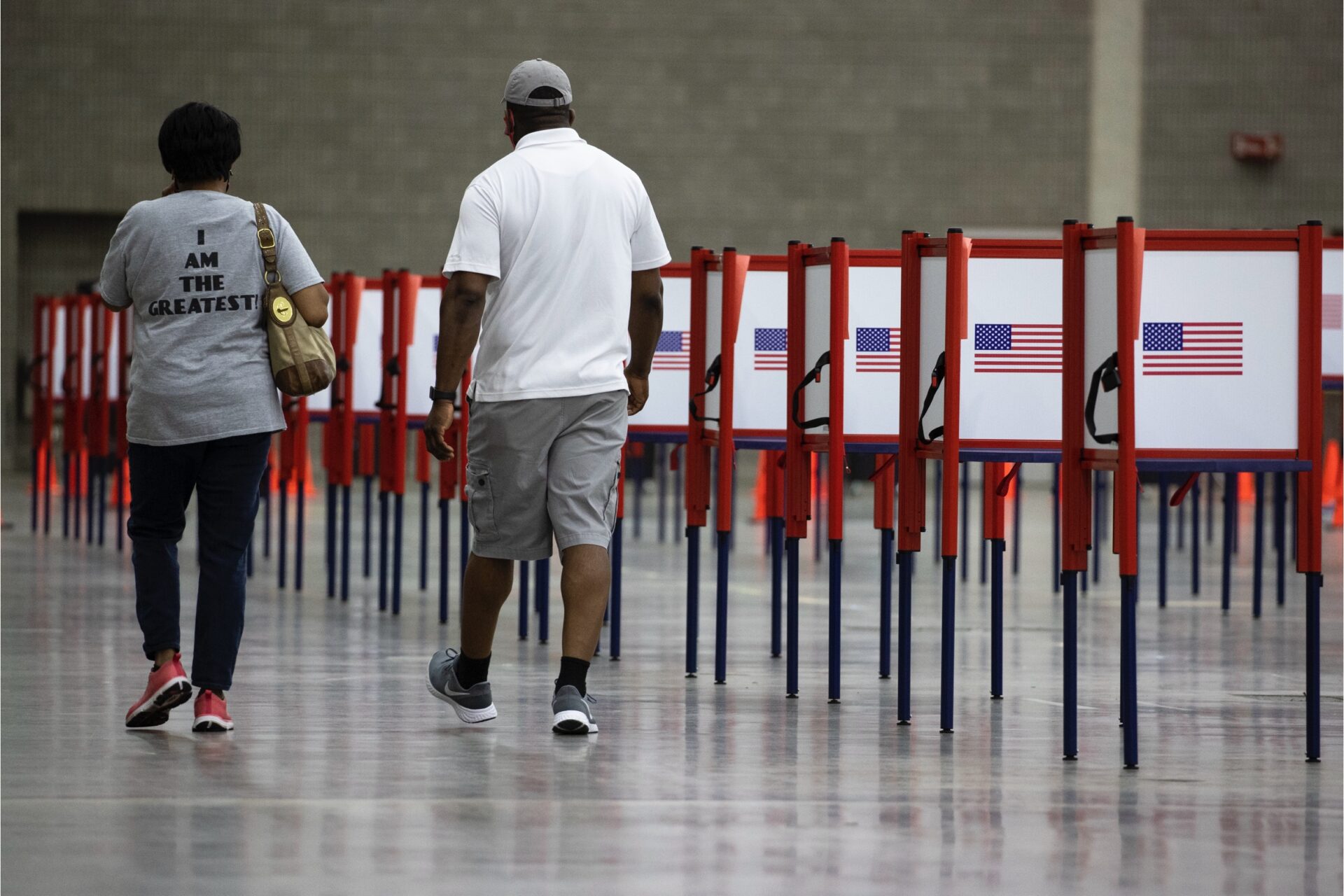
The Election Integrity Act, also known as Senate Bill 202, came about following outcry over President Donald Trump’s loss in the 2020 presidential election, resulting in the installation of a 25-foot zone around anyone standing in a voting line, where food and water were banned.
More than two years after Atlanta-based federal district Judge J.P. Boulee upheld a portion of the ban, permitting food and water to voters, a Dec. 1 ruling from the 11th Circuit Court of Appeals claims Boulee failed to analyze the case properly. Georgia Secretary of State Brad Raffensperger supported the court’s ruling and took a jab at former gubernatorial candidate Stacey Abrams, saying in a statement that the state has a right to shield voters from being influenced.
“The Eleventh Circuit’s ruling reinforces a simple truth: Georgia has the right and the responsibility to shield voters from influence and interference at the polls,” Raffensperger said. “Despite what Stacey Abrams and her cronies say, our laws safeguard every Georgian’s right to free, fair, and fast elections.”
The appeals court ruling pushes Boulee’s ruling, which did not conduct a facial analysis of the First Amendment issues highlighted and instead sought to challenge the ban, citing that it came from alleged liberal and progressive advocacy groups. The lack of facial analysis renders the law unconstitutional, as the Supreme Court ruled in Moody v. NetChoice, LLC. “The district court didn’t conduct the facial-challenge analysis now required by Moody,” the 11th Circuit Court said.
“…the court failed to systematically assess the full sweep of the regulation and weigh the constitutional against the unconstitutional applications. It instead emphasized the plaintiffs’ particular activities and the overarching justifications offered by the government — lumping together a narrow range of applications and considering them as a whole without accounting for the First Amendment’s varying protections across different activities.”
According to CBS News, SB 202 was enacted in 2021. It included a ban and other changes to Georgia’s election laws, such as limitations on absentee ballot drop boxes, new ID requirements for absentee ballots, and changes to early voting. Supporters feel the ban was necessary to prevent voter influence, but critics think giving food and water is a simple form of civic engagement and all-around kindness.
The law carried a misdemeanor penalty of up to a year in jail for giving out food and drink in the restricted zones, in addition to major backlash that led Major League Baseball to move its 2021 All-Star Game out of Atlanta.
The outcry caught the attention of the then Biden-Harris administration Department of Justice (DOJ), resulting in a lawsuit where former President Joe Biden referred to the ban as “Jim Crow in the 21st Century.”
The Trump administration’s DOJ dismissed the lawsuit in March 2025.
RELATED CONTENT: VERDICT: Megan Thee Stallion Wins Defamation Suit Against Blogger Milagro Gramz

