


This article was updated at 7:26 pm EST to include DJI’s statement.
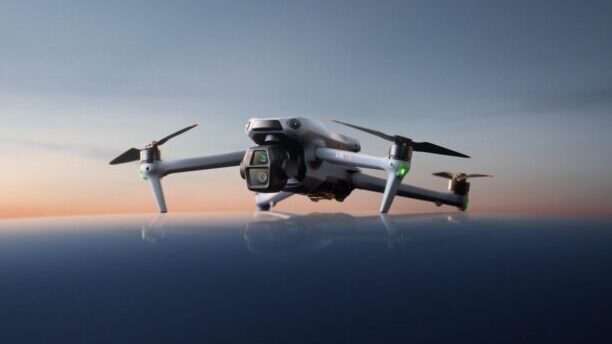
The Federal Communications Commission has taken a major step toward limiting future access to non-U.S. drones, updating its Covered List to include foreign-made unmanned aircraft systems and UAS critical components following a national security determination by the Executive Branch.
In a fact sheet released December 22, the FCC said an interagency body convened by the White House concluded that UAS and UAS critical components produced abroad pose “unacceptable risks to the national security of the United States and to the safety and security of U.S. persons.” Based on that determination, the FCC added foreign-made drones and related components to its Covered List, preventing new device models from receiving FCC equipment authorization.
Without FCC authorization, new device models cannot be imported, marketed, or sold in the United States.
The FCC emphasized that the decision does not affect drones that have already been purchased or device models that previously received FCC authorization. Consumers may continue to use drones they already own, and retailers may continue to sell models approved earlier this year or previously through the FCC’s equipment authorization process. By rule, the new restrictions apply only to new device models going forward.
Action Anticipated Under the FY25 NDAA
While significant, the FCC’s move was widely anticipated. The action closely tracks language in the Fiscal Year 2025 National Defense Authorization Act, which directed national security agencies to assess the risks posed by foreign-manufactured drones and related technologies.
Section 1709 of the FY25 NDAA called for an interagency security review of certain UAS equipment, with potential consequences if risks were identified. The FCC fact sheet states that the national security determination includes the equipment and services referenced in that section of the law.
In recent years, congressional efforts to limit the use of foreign drones have largely focused on restricting government procurement or limiting access to FCC-regulated spectrum. Updating the Covered List expands that effort by targeting future market access through the FCC’s equipment authorization process.
A Shift in Framing: Reliance as a Risk
The FCC’s fact sheet frames the issue more broadly than the NDAA’s original call for a security review of specific technologies.
DJI, the world’s largest drone manufacturer, has repeatedly asked for a fair, transparent, and evidence-based review of its technology, arguing that national security concerns should be evaluated on technical merit rather than country of origin alone.
The FCC’s fact sheet, however, goes further. In addition to citing concerns about unauthorized surveillance, data exfiltration, and potential misuse for attacks or disruptions, the national security determination states that reliance on foreign-made UAS “unacceptably undermines the U.S. drone industrial base.”
That shift has already had visible market effects. Anticipating tighter U.S. restrictions, DJI has not launched some of its most recent professional drone models in the United States, even as those platforms have been released in other markets. The decision underscores how regulatory uncertainty alone can shape product availability, independent of any formal ban on existing devices.
Industry Concerns and Operational Impact
Some drone service providers and public safety agencies have long opposed broad restrictions on foreign-made drones, citing cost and operational realities. Some users fear that available U.S.-manufactured alternatives do not yet match DJI drones in price, functionality, or ecosystem maturity, particularly for mapping, inspection, and public safety missions.
DJI has responded to the FCC announcement emphasizing their continued support for the US market.
“DJI is disappointed by the Federal Communications Commission’s action today to add foreign‑made drones to the Covered List. While DJI was not singled out, no information has been released regarding what information was used by the Executive Branch in reaching its determination,” said a DJI spokesperson.
“As the industry leader, DJI has advocated for an open, competitive market that benefits all US consumers and commercial users, and will continue to do so. DJI products are among the safest and most secure on the market, supported by years of reviews conducted by U.S. government agencies and independent third parties. Concerns about DJI’s data security have not been grounded in evidence and instead reflect protectionism, contrary to the principles of an open market.
Today’s development will not affect customers who already own DJI products. These existing products can continue to be purchased and operated as usual. The FCC’s fact sheet also indicates that new products may, in the future, be cleared for launch based on determinations made by the Department of Defense and the Department of Homeland Security.
DJI remains committed to the U.S. market. We are deeply grateful to users across the country who spoke up to share how DJI technology supports their work and their communities. We will keep our community informed as more information becomes available.”
A Transition Window for Existing Fleets
By limiting the Covered List update to new device models, the FCC may be allowing operators time to transition their fleets gradually. Allowing previously authorized models to remain in use could enable agencies and service providers to phase out older aircraft as they become obsolete, rather than forcing immediate replacements.
The FCC has not indicated whether future actions could affect previously authorized devices.
Broad Language, Unclear Boundaries
The fact sheet repeatedly uses the term “foreign-made” rather than naming specific countries or manufacturers. On its face, that language could apply to drones produced in Europe, India, or other allied nations, as well as to foreign-sourced components used in otherwise U.S.-made systems.
As outlined earlier in the article, the FY25 NDAA focused more narrowly on Chinese-manufactured drones and entities tied to U.S.-designated foreign adversaries, calling for a national security review of those systems. By contrast, the FCC’s fact sheet adopts broader language and frames reliance on foreign-made drones itself as a national security concern, shifting the emphasis toward supply-chain and industrial-base considerations.
The FCC notes that exceptions may be granted if the Department of Defense or the Department of Homeland Security determines that a specific UAS or component does not pose a risk. How those determinations will be made, and how broadly the policy will ultimately be enforced, remains unclear.
For now, the update signals a decisive shift in U.S. drone policy. Existing drones remain in the air, but the pathway for foreign-manufactured systems entering the U.S. market has narrowed substantially.

Miriam McNabb is the Editor-in-Chief of DRONELIFE and CEO of JobForDrones, a professional drone services marketplace, and a fascinated observer of the emerging drone industry and the regulatory environment for drones. Miriam has penned over 3,000 articles focused on the commercial drone space and is an international speaker and recognized figure in the industry. Miriam has a degree from the University of Chicago and over 20 years of experience in high tech sales and marketing for new technologies.
For drone industry consulting or writing, Email Miriam.
TWITTER:@spaldingbarker
Subscribe to DroneLife here.

