


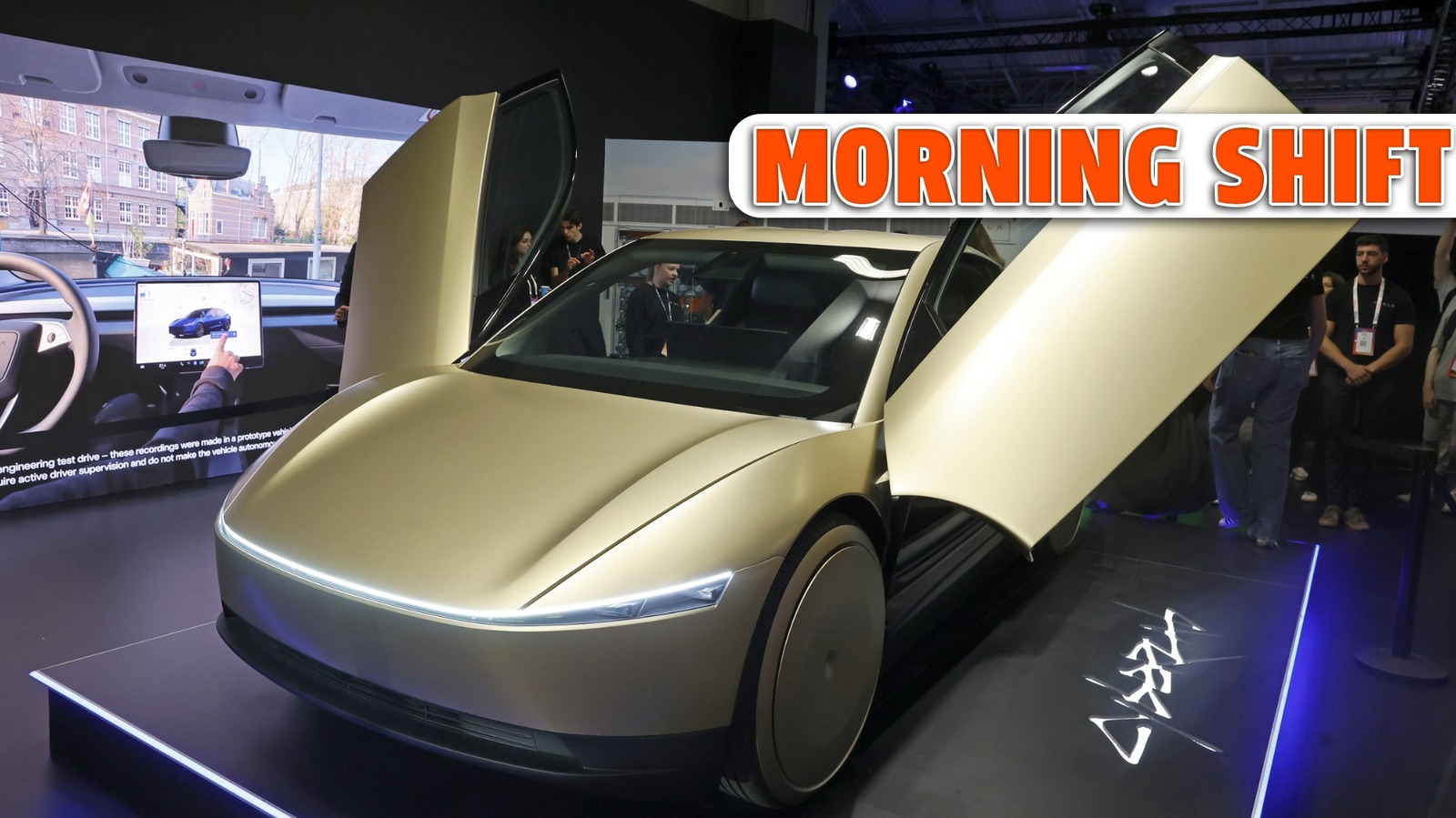
Jaguar’s ambitious plans to reposition itself as an all-electric luxury brand, just as its main competition retreats from their EV ambitions, have dealers a bit worried. A lot has changed in the automotive world since Jaguar unveiled the Type 00 concept car and announced its new plans. The U.S. government has completely pulled the rug out from under its EV incentives, Chinese buyers are no longer interested in Western luxury brands and even Europe is starting to favor hybrids more and more. It’s left dealers and some industry experts a bit shaken up, which is a shame, because it could leave Jaguar with a chunk of the market all to itself if it plays its cards right. From Automotive News:
Dealers and analysts have doubts about the brand’s repositioning. Industry experts see no clear example of electric luxury cars succeeding at scale. Jaguar’s strategy is especially risky because it relies on a pure BEV platform that is not shared with parent Jaguar Land Rover’s other brands such as Range Rovers or Land Rovers.
“I don’t see a single luxury manufacturer where electric models have truly succeeded,” said Martin Benecke, an analyst at S&P Global. Most electric luxury projects announced in recent years have either failed or been delayed significantly, he said.
Jaguar postponed the launch of the first of its new-generation high performance BEVs by several months to August to allow time for more testing and for EV demand to pick up, the Guardian newspaper reported last year, citing sources familiar with the matter.
Dealers say that orders for the new model, which is going to be a big four-door grand tourer based on the Type 00, are expected to open in March or April of this year, and it’ll carry a starting price of around $130,000. It’ll be built on the company’s new Jaguar Electric Architecture platform, which can’t be easily adapted for hybrid or gas powertrains, and that’s a concern to some dealers.
A Jaguar media campaign to promote the rebranding last November attracted criticism because it featured androgynous models and dropped the brand’s iconic “leaper” big cat logo. Many long-standing customers voiced their dissatisfaction directly to dealers, saying they no longer recognized the brand.
A subsequent six-month period of limited communication from the brand further increased uncertainty within the retail network.
Jaguar’s sales targets are ambitious but fragile. The brand is targeting annual sales of about 10,000 cars globally, according to dealer sources ― roughly on the scale of competitor Bentley, which delivered around 7,200 vehicles in the first three quarters of 2025.
While Jaguar cites strong early expressions of interest, dealers question how many will convert into actual orders at prices starting around $130,000.
“I doubt that Jaguar’s strategy will work,” Benecke said. “Jaguar wants to go where other luxury manufacturers are withdrawing due to a lack of demand. Which customers does Jaguar want to reach with its electric luxury cars? I don’t know whether you can survive with this strategy.”
[…]
At present, 150 prototypes are being tested, JLR said. Through events, the company has collected around 40,000 “Keep Me Informed” inquiries (expressions of interest), despite not having released full product details.
Jaguar is changing its retail model on a fundamental level. It plans to tightly control used-car supply, limit dealer inventory and require highly specialized sales staff. Each dealership will operate with just one demo vehicle and one new car in stock. Basically, it wants to be more like Bentley and less like BMW. It’s a big risk, and I’m not sure it’s one traditional dealers will want to take, but if it works, it could really be an interesting addition to the market.
I hope it does, too, because the Type 00 is seriously cool, if you ask me. And, for all the people who complain that it isn’t a real Jag or it doesn’t remind them of what the brand once was, may I remind you that whatever the brand “once was” got it in this precarious position in the first place, so trying something new seems very necessary.

