


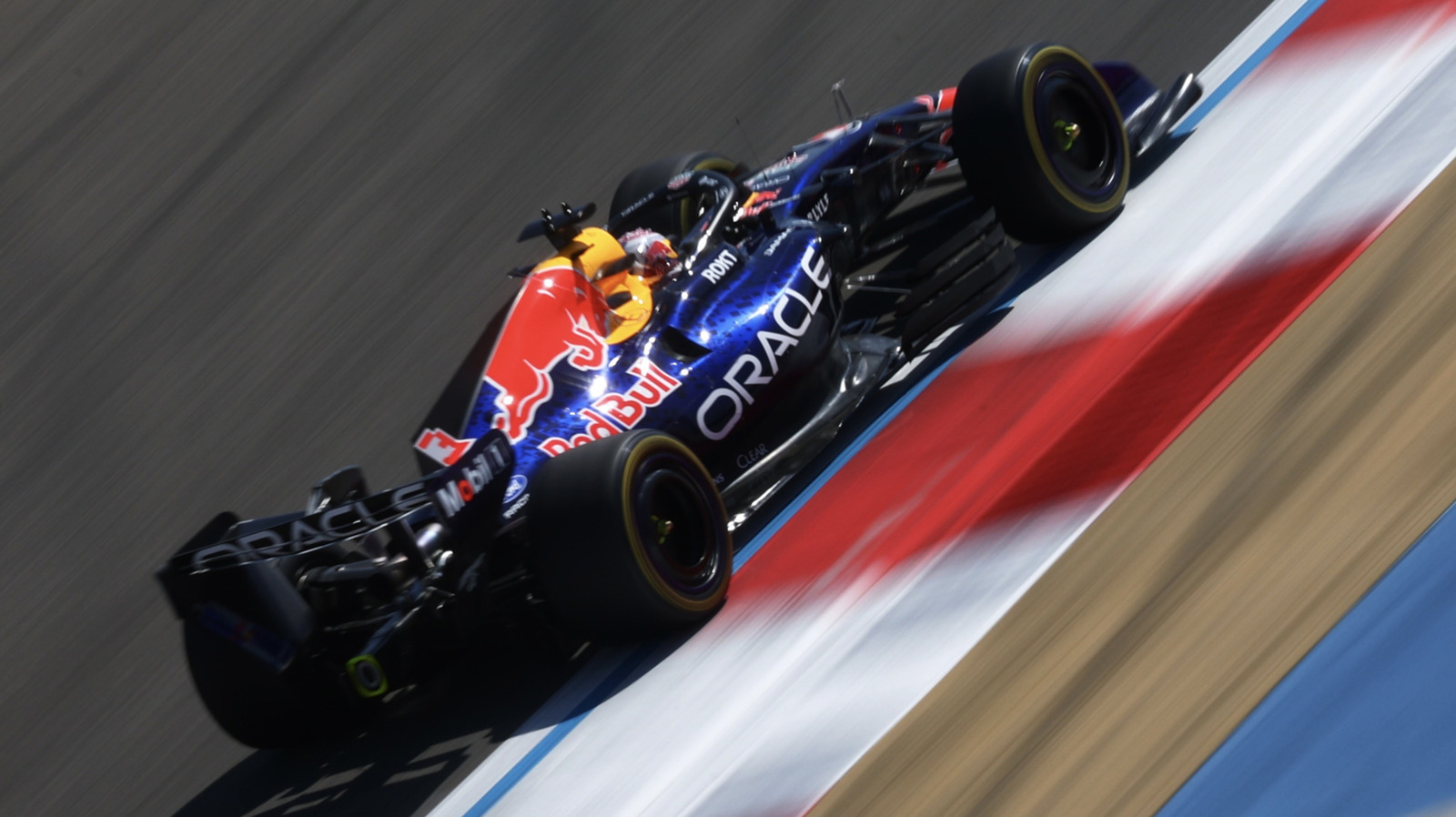
Red Bull basically invented the global energy drink market, and the Gives You Wings company has spread its sponsorship tentacles across thousands of events, athletes, and stunts in its 40 years. Dietrich Mateschitz, the now-deceased CEO of Red Bull, didn’t really invent Red Bull. In fact, his company didn’t even make Red Bull, or can it, or distribute it. Most of Red Bull’s employees are in the marketing business. More than a third of Red Bull’s revenue is spent trying to convince you to buy more Red Bull. The stuff is really profitable. Start and maintain Formula One teams kind of profitable.
This incredible new video from Wendover Productions (follow them if you don’t already), chronicles the growth of Red Bull from nothing to its massive state today. Considering Red Bull’s efforts in motorsport, including Dakar, MotoGP, NASCAR, World Rally, and dozens more, it’s definitely good to know where the money is coming from. The motorsport world simply wouldn’t be the same if it weren’t for Red Bull and the huge influx of money the fizzy drinks brand brought. As the video mentions, it’s not great for our health, but motorsport would be on life support without it.
Red Bull was an already quite successful beverage in the Southeast Asia market, made in Hong Kong as Krating Daeng. Even the company logo was already on the cans and bottles of the energy shot. Mateschitz didn’t really create Red Bull, but he supercharged the company over the next few years with a strategic reformulation, a pricing move upmarket, international distribution, and a massively popular sports-based guerilla marketing campaign. Looking at the history of the company, there’s no way this should have worked as well as it did, but Mateschitz was equal parts smart and lucky in the early days.
So how does this lead to F1?
Red Bull empresario Mateschitz loved Formula One; it was his favorite sport. In the late 1980s he managed to ink a very inexpensive $10,000 sponsorship deal with Ferrari driver Gerhard Berger. Not with the team, but with Berger himself. The deal saw Berger drinking from Red Bull-branded drinks bottles, walking around the paddock with a can of the drink. By pushing this deal, Red Bull got exponentially more exposure for its money than it cost, and gave the brand an upmarket feel while also subconsciously connecting it with performance and speed.
Outside of that initial F1 deal, Red Bull continued to grow by targeting athletes who were the best at what they did in underseen extreme sports. This allowed the brand deals to be inexpensive, while continuing to push Red Bull as an aspirational performance brand. Red Bull grew into a massive sports marketing agency, and it only had one client.
When Ford announced it was going to cease all funding for the Jaguar Formula One Team, Mateschitz and Red Bull were finally in a place to (pun absolutely intended) pounce. While the team itself was hemorrhaging money and couldn’t find the podium for anything, Ford wanted out and promised the whole shooting match to Dietrich for just one dollar. The company went and did it a second time when the Minardi team was on its way toward folding. After eight World Driver Championships and six Constructors, the formula has been a success, but it’s Red Bull’s global sales successes that justify the expense.

