


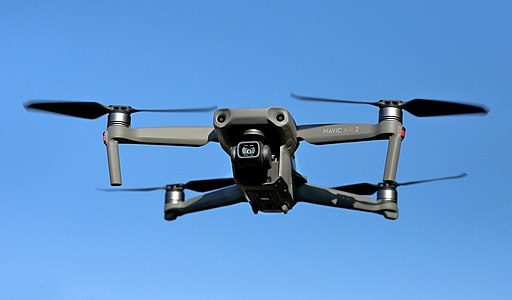
As regulators move to reduce reliance on foreign-made drone technology, new survey data suggests that small drone businesses are absorbing the impact first, and most acutely. Recent survey results released by the Pilot Institute titled The Effect of Banning Affordable UAS in the United States provides a snapshot of how operators are responding to the evolving regulatory environment, reinforcing concerns that have circulated across the industry since the Federal Communications Commission (FCC) first signaled its intent to limit certain foreign-manufactured drones and components.
The timing of the survey is notable. While the FCC has taken concrete steps toward restricting covered equipment, the situation remains fluid. Just yesterday, the agency issued additional guidance clarifying that Blue sUAS platforms and other domestic products are included under the evolving framework. The ruling is not a final, static outcome, but an active process still being interpreted and refined.
Who Responded and Why It Matters
The Pilot Institute survey primarily reflects responses from small businesses and independent commercial operators. These are companies that typically operate lean fleets, often with a limited number of aircraft serving multiple missions. While the survey does not claim statistical completeness, it offers meaningful insight into how regulatory shifts translate into operational challenges for a large segment of the commercial drone ecosystem.
Respondents span common commercial use cases including inspection, mapping, media production, and public safety-adjacent work. For many, drones are not experimental tools but essential business assets.
DJI’s Dominance Was Practical, Not Incidental
One of the clearest findings from the survey is the degree to which DJI platforms dominate small commercial fleets. This reliance was not driven by brand loyalty alone. Operators consistently pointed to practical factors: reliable flight performance, high-quality integrated cameras, obstacle avoidance, and mature software ecosystems that reduced training time and simplified workflows.
For small businesses, these features translated into efficiency and predictability. Over time, that practicality solidified into market concentration, leaving many operators with fleets built around a single manufacturer.
Why Small Businesses Feel the Pressure First
The survey data underscores why regulatory disruption hits smaller operators harder. Replacing aircraft is not simply a matter of purchasing new hardware. Operators cited challenges related to retraining, software compatibility, accessories, batteries, and established data-processing workflows. For businesses operating on thin margins, these factors introduce friction that is difficult to absorb quickly.
Larger organizations may be able to diversify fleets or run parallel systems. Small businesses often lack that flexibility. The result is not necessarily immediate shutdown, but increased cost, delay, and uncertainty.
The Prosumer Gap Comes Into Focus
Beyond brand dependence, the survey reveals a deeper issue: a gap in the prosumer drone category. Respondents repeatedly emphasized the need for aircraft that are small, portable, easy to operate, and equipped with high-quality integrated cameras. Many existing alternatives meet some of these requirements, but few meet all of them in a way that supports day-to-day commercial operations.
This gap matters most to solo operators and small service providers, for whom simplicity and reliability are not luxuries but necessities. The absence of clear replacements amplifies the disruption felt at the lower end of the commercial market.
A Stress Test for Policy and Market Readiness
In some respects, the survey reinforces the government’s underlying concern. Heavy reliance on a single supplier creates systemic risk. At the same time, it highlights a mismatch between policy objectives and market readiness. The regulatory push toward diversification is moving faster than the availability of mature, widely adopted alternatives in the prosumer segment.
Disruption Documented, Outcomes Still Unwritten
The survey confirms what many in the industry anticipated: small businesses would feel the impact first. It does not, however, dictate the long-term outcome. As FCC guidance continues to evolve, manufacturers have an opportunity to respond to clearly articulated demand. Whether new or existing companies step into the prosumer gap, and how quickly they do so, will shape the next phase of commercial drone adoption.
Read more:

Miriam McNabb is the Editor-in-Chief of DRONELIFE and CEO of JobForDrones, a professional drone services marketplace, and a fascinated observer of the emerging drone industry and the regulatory environment for drones. Miriam has penned over 3,000 articles focused on the commercial drone space and is an international speaker and recognized figure in the industry. Miriam has a degree from the University of Chicago and over 20 years of experience in high tech sales and marketing for new technologies.
For drone industry consulting or writing, Email Miriam.
TWITTER:@spaldingbarker
Subscribe to DroneLife here.

