


Almost 15% of lease-return used vehicles hitting the market by the end of 2026 will be electric vehicles, reports Automotive News. And that’s up from the 7.7% we saw in Q1. The exponential growth in electric vehicle leases in a post-pandemic America around 2022 is coming back to bite automakers in the butt now that EV credits have disappeared, carbon penalties have been erased, and general EV sentiment has waned. Used lots will be absolutely crammed with electric vehicles that are proving a harder sell, and to make matters worse for the automakers the lease returns are worth significantly less than had been predicted.
This over leveraged EV influx isn’t going to stop any time soon. According to credit reporting agency Experian, off-lease EV volume will peak in 2028 when nearly 800,000 lease return EVs will hit the market at the same time. The used EV market is growing, but we don’t yet know if there will be enough demand to accommodate this prodigious influx of supply. Everyone who has taken an introductory economics class knows, when supply outstrips demand, prices plummet until an equilibrium can be found.
Automotive News spoke with industry experts who project that automaker finance arms expected lease trade-in EVs to be worth an average of $10,000 more than they currently are. Extrapolate that out to 2028, and the finance arms of the biggest EV players in the US market, including Tesla, General Motors, Hyundai-Kia, Volkswagen Group, and Ford, could stand to lose a collective $8 billion on these lease trade-ins.
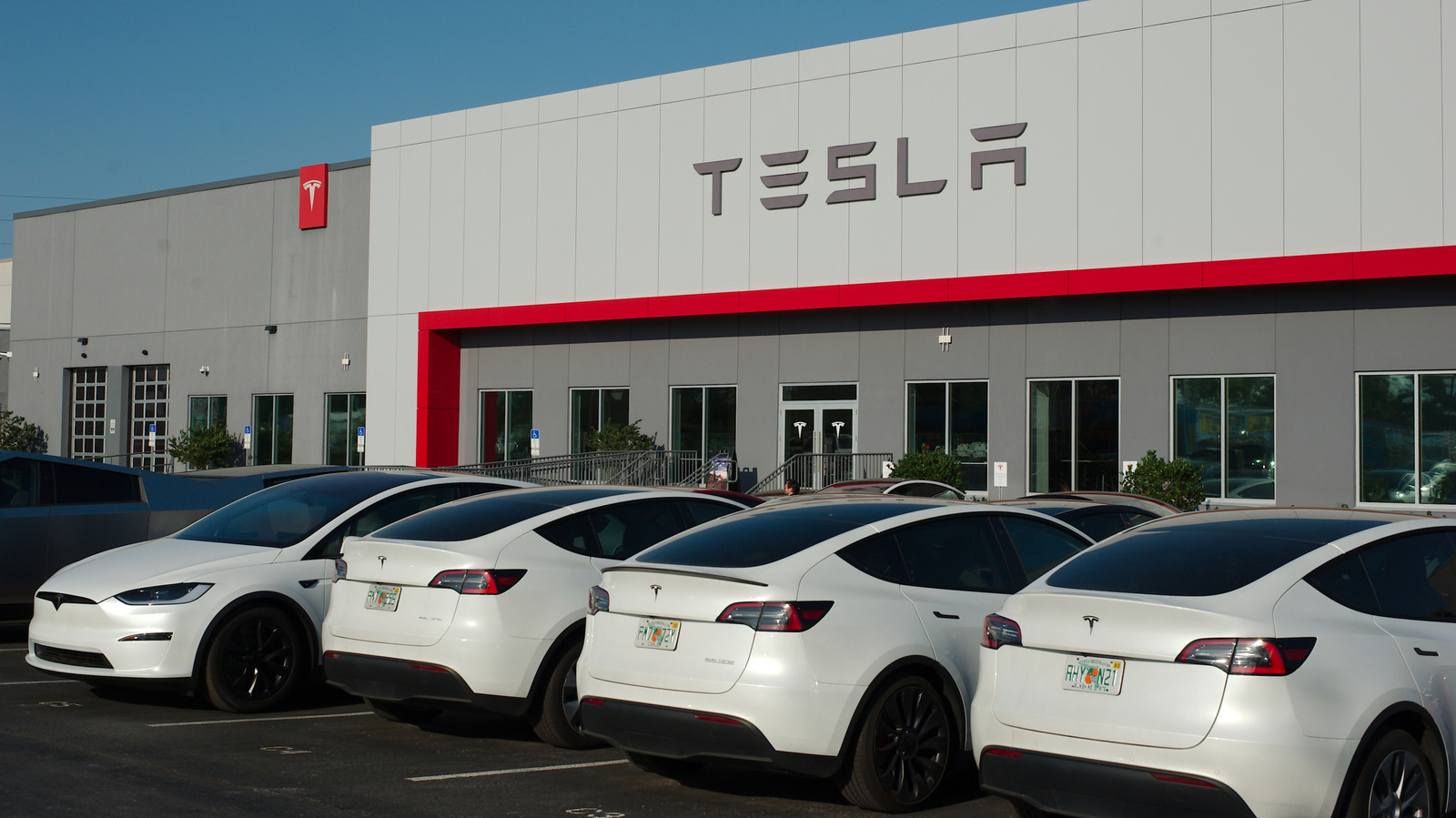
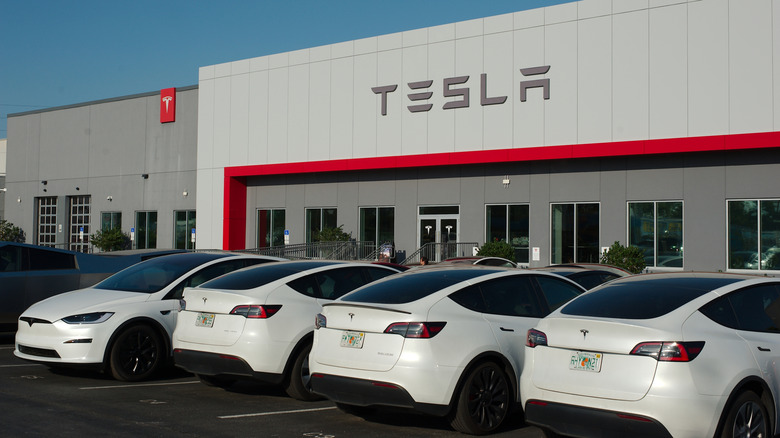
Across the 2025 calendar year Tesla leased more EVs than any other company with some 229,000 leases added to its sales roster. General Motors committed the second most leases at 102,000, with Hyundai-Kia close behind at 78,000. Assuming that average of $10,000 loss on each one holds, Tesla could be left holding a $2.3 billion bag when these leases end in 2028. Considering Teslas is home to some of the fastest depreciating models on the market, it could be even more than that.
How did it get this bad?
Automotive finance companies use predictive depreciation models to price leases on a scale of profitability. Obviously the lower monthly payment someone can lease a car for, the more likely they are to sign that lease, but the automaker has to make something on the back end for it to be worth doing. Basically the amount the customer pays on a lease has to cover the depreciation for the time they borrow the car, maintenance, damage, and taxes, plus a bit for profit margins.
For a hot minute EV leases were quite attractive, because the predictive depreciation models couldn’t account for a second Trump presidency or an Elon Musk far-right side quest completely torpedoing the EV market. Back in 2022 the average three-year-old EV retained 90% of its value, but at the end of 2025 with a completely imploded EV market, three-year-old EVs at auction held only about 40% of its original value, Auto News reports. The discrepancy between where we used to be and where we are today is responsible for that potential $8 billion loss.
In the good old days, federal EV incentives could be applied directly to a lease, meaning the customer had to pay almost nothing out of pocket. That’s how we briefly saw Nissan Leaf leases as low as $19 a month. With those incentives now stricken from the record, EVs are somewhat financially more difficult to justify at the moment, but Donald Trump’s war in Iran turbocharging the price of gasoline could make EVs more attractive once again in the near future.
Can the EV market level off?

One factor that might level out this potential crisis is a long-term increase in fuel prices. With Americans suddenly burdened with gasoline prices nearly double what they were a year ago, and no relief in sight, an influx of used EVs to the market might mean a run on the available stock, increasing demand to match supply. If that becomes the case, prices will increase and the crisis will largely be averted.
It also helps the case of used EVs that the average price of used internal combustion engine vehicles is about to dramatically rise. Cox Automotive predicts that 2026 new vehicle sales will be down by about 2.6% across the board, and leases will fall 2%. With fewer new cars getting purchased and some customers moving to a used vehicle purchase instead, used car prices will rise to meet the moment. Every year new vehicle prices get higher, and used prices are trending right along with them.
Further muddying the waters, automakers absorbed an estimated $35 billion in costs from Trump administration tariff costs. These companies are largely done eating those costs and will begin pushing them off onto the customer in bigger ways in 2026, with around $3,800 in additional cost being added per car sold through price increases, fewer incentives, and higher delivery charges.
The upward pricing pressure of the new vehicle market, and the used ICE vehicle market may push a significant percentage of consumers into a used electric vehicle. Of course none of these increased costs are good for consumers, especially in an era that could spell the worst stagflation the US economy has ever seen. There are definitely a lot of “what ifs” here that only time will resolve, but it’s possible the EV value crisis won’t actually become the crisis it currently looks like.
The only way out is through
These leases are legally binding and automakers will have to stick to them, no matter how much they lose in the process. They will just have to take a bath on the hundreds of thousands of cars that are now worth significantly less than they predicted. Some of these automakers might have already started accounting for these depreciation losses with adjustments in their quarterly earnings reports. By spreading the losses out over multiple years, it won’t come as a massive surprise when the losses start mounting in earnest. Other creative solutions to this issue will need to be implemented, however.
Chase Auto told Automotive News that it is working on a program to sell some of the off-lease EVs it owns directly to consumers, potentially with a non-OEM certified pre-owned vehicle leasing pilot program, pushing the lease return vehicle into a second leased life, and potentially allowing them to make more of that loss back with a new client instead of just selling it off to a dealer or running it through a used car auction.
Sources suggest that lease trade-ins will have a harder time finding a new owner in EV-saturated markets like southern California, where the the wholesale auto auctions are currently operating with about 50% of its daily sales being electric vehicles. EV growth markets for wholesalers include Texas, Georgia, and Florida, where the lower prices of used EVs are starting to find buyers ready to jump in to the EV lifestyle. If an automaker can sell their lease return vehicles for a few thousand dollars more in another market, they’re likely going to start shipping them en masse to those growth markets to stem the flow of hemorrhaging pockets.
Perhaps if we start seeing gasoline at $8 per gallon, demand will rise for these lease returns and the prices won’t fall quite as hard as they’re predicting right now. Someone has to lose, but at least that way it’s the consumer instead of the large multi-billion dollar international corporations.

