


A new bill introduced in Congress seeks to maintain America’s premiere position in space science, which would create a brand new space agency called the National Institute for Space Research. The five senators behind the bill come from both parties, led by Sen. John Cornyn (R-TX) and including ex-astronaut Sen. Mark Kelly (D-AZ). The stated purpose here is to “ensure the nation is equipped to lead in the next space race.”
The bill is called the Space Research and Continuing Exploration Act (i.e., Space RACE, get it?). While it would do a few things if enacted, its centerpiece is that new agency, which will also need a spiffy acronym. NISP, I guess? Never mind the fact that Brazil already has its own National Institute for Space Research, which surely won’t get confusing at all. Anyway, NISP would be “federally controlled but independently operated,” likely in the same vein as NASA. Where NASA does its own research and missions, NISP would be more of a coordinator, ensuring that important space-based science from around the world continues to be done on American space stations.
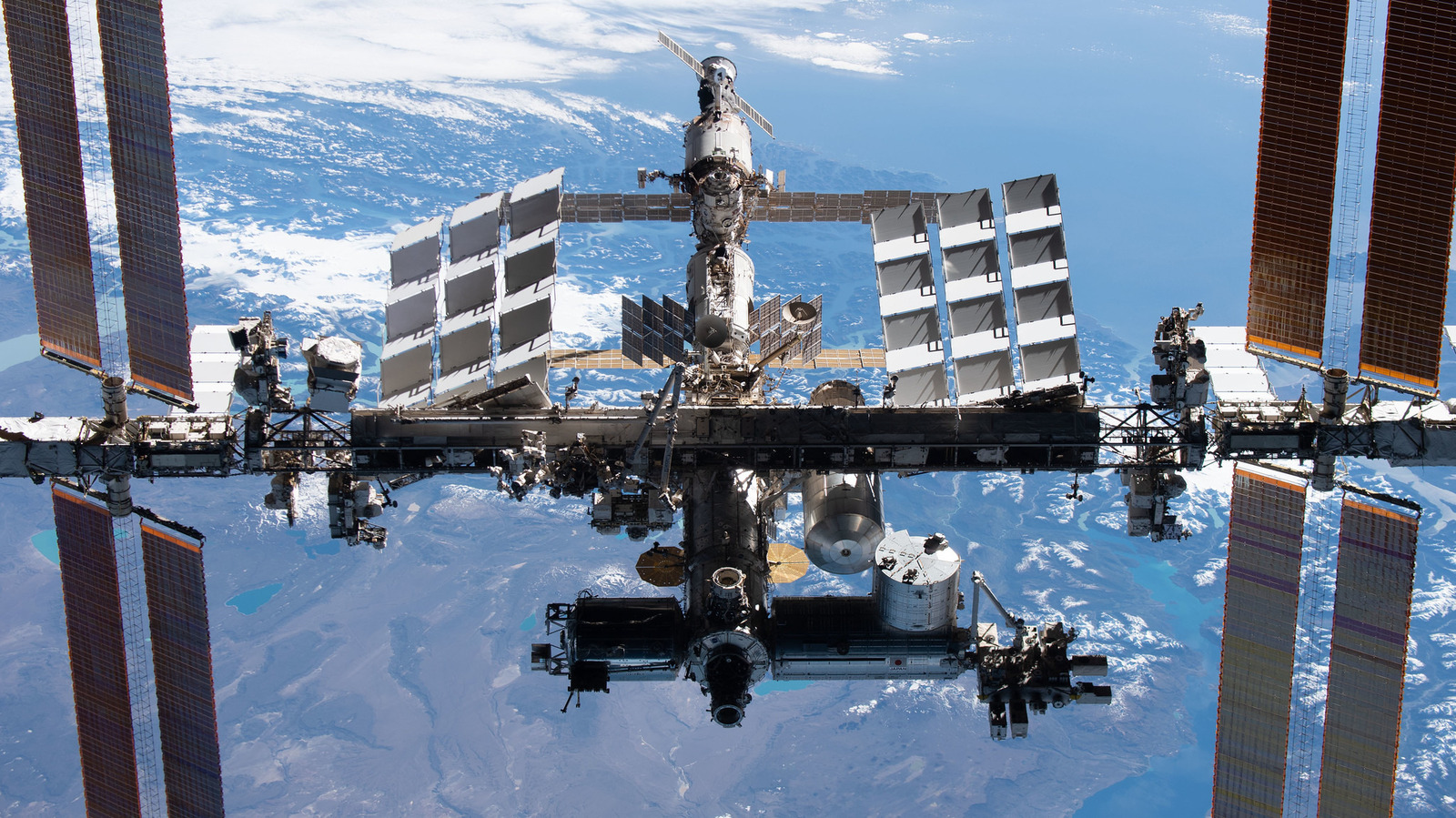
That’s really the key to this whole thing: the International Space Station is due to be retired in 2030, and the plan going forward is for a series of private-sector stations to take its place. That might make it difficult for scientists to know where and how to apply for research to get done. NISP would be a one-stop shop solution, at least in theory. This dovetails with another of the bill’s goals, to “support public-private partnerships and economic development.”
Choosing (or not) to win a space race
The Space RACE Act’s final goal is the one that makes it clear where it got its name from: to “bolster America’s geopolitical influence, strategic positioning, and leadership in the emerging space economy around the world.” As the announcement from the senators makes clear, China has been actively soliciting international scientists to conduct research on its own station, the Tiangong. That raises the possibility of a near future where all space research goes through China, without the U.S. or its allies as an alternative.
Of course, there’s a reason why that possibility exists: slashed funding and budget cuts. Even as a lot of the momentum in the space sector has shifted over to commercial enterprises in the last decade or so, the Trump administration has trying to offload traditionally governmental responsibilities in space. That’s why the future of American space stations are all private, with no government station planned at all. The natural result of that is a power vacuum (that’s also a space vacuum) that others are looking to fill. China’s already in position to do so.
The weirdest part is that these deep cuts to NASA are happening even though they haven’t actually been approved! While the Trump administration has proposed a 47% cut to space research, Congress itself is moving forward with plans to simply fund it at 2024 levels. Yet the agency has been offering buyouts to employees, laying off others, and shuttering research centers as if the cuts are already here. That doesn’t sound like a government gearing up to win a space race. This bill is a good first step at a course correction, but at the end of the day, a race can only be won if you choose to win it.

