


More than half of the world’s population lives in cities. Even so, city building has long ignored the needs of half of urban dwellers: women.
Historically, men have dominated professions such as planning, architecture, urban design, engineering, policymaking, development and budgeting. This skew has resulted in urban infrastructures and systems that are not sensitive to women’s lives. Although these fields are becoming more diverse, city building continues to fail women. As we head into an ever more urbanized future, it’s crucial that our cities work for everyone.
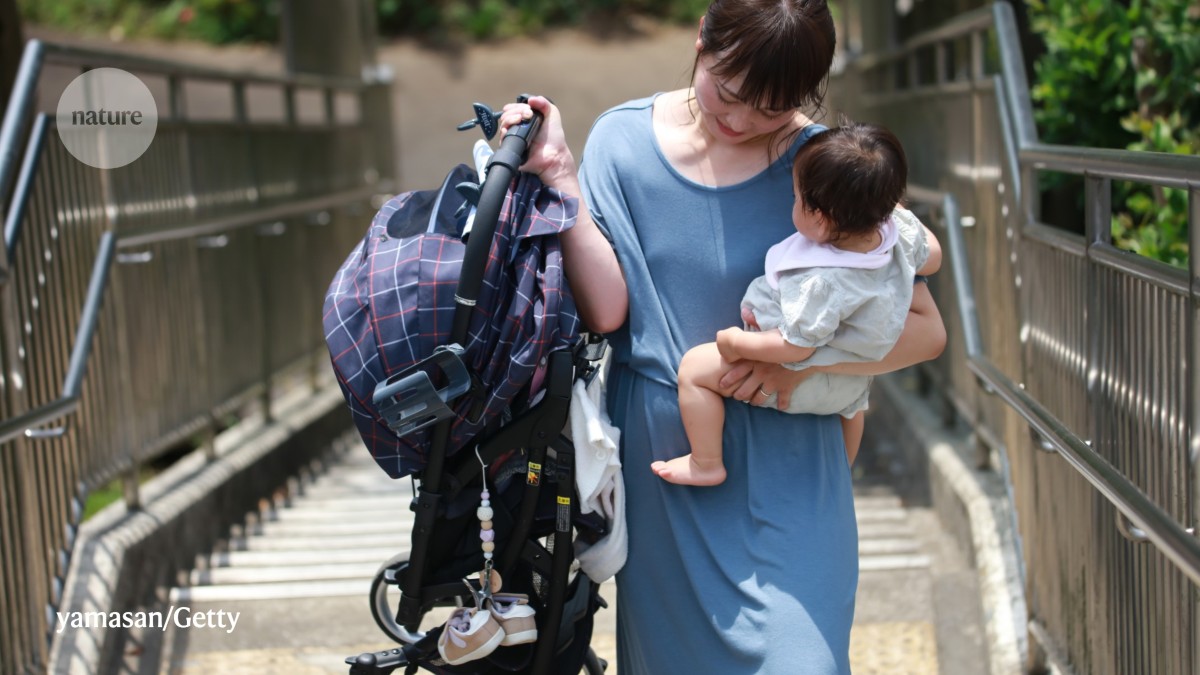
Decades of research have shown marked differences in how people of different genders experience cities — and that they are typically designed to serve men. For example, transportation research demonstrates that women use public transport more often than men do. But these systems are designed to handle mainly linear commuter travel1, not the multi-stop, non-linear, off-peak trips burdened by children and packages that women are more likely than men to make. Services tend to be much less frequent outside rush hour, and routes that directly connect residential areas to one another are rare, complicating and lengthening trips for caregivers. Staircases and a lack of space for strollers present physical barriers to mothers of young children.

Nature Outlook: Cities
Many of those journeys are in service of care work, for which women are disproportionately responsible. Zoning rules that separate residential, commercial, institutional and green spaces force women to travel inconvenient distances between home, school, childcare facilities and work2. This is rarely considered by urban planners.
Single-use zoning has also contributed to women’s pervasive experiences of fear in cities. These policies can create frightening ‘dead zones’ that have limited human or commercial activity. Women’s safety tends to be ignored until sensationalized individual cases of public violence occur; even then, women are typically instructed to curtail their movements, placing the onus on them to prevent violence. Around the world, safety concerns constrain women’s choices about everything from work, housing and transportation to where they can go to the toilet3.
At best, women struggle to make cities fit their needs. At worst, they experience fear, violence and exclusion from the benefits of urban life.
The consequences of the lack of gender-sensitive planning are now playing out. For instance, the scarcity and expense of childcare services, combined with the loss of affordable housing, have contributed to a problematic demographic shift in urban areas, as families with young children abandon cities4.
But this doesn’t have to be the case. Cities around the globe are adopting feminist town-planning legislation, implementing gender-sensitive transportation policies and creating gender-equal budgets to ensure that issues of concern to women are no longer afterthoughts.
One transformative project is under way in Bogotá, Colombia, to tackle some of the challenges that women face in the course of the unpaid care work they perform. The city has implemented a system of ‘care blocks’, which group a range of free care-related services in close proximity to one another. This reduces the time it takes to access childcare, education, laundromats and health services, for example. Inside the blocks, caregivers can drop off children while they attend to other household duties, access clinics, participate in leisure activities or learn computer skills.
These measures will be particularly helpful to women who have low incomes, are Indigenous or both. But they will benefit everyone engaged in care work, including men. The project also aims to address men’s low participation in care work through ‘care schools’ that provide men with training in tasks, such as cooking and laundry, that have conventionally fallen to women. The Bogotá project as a whole has been so successful that a similar system is now being planned in Freetown, Sierra Leone5.
The needs of caregivers were also central to the development of the Los Angeles Metro Gender Action Plan. Initiatives to improve women’s access to one of the United States’ largest public transportation systems include increasing bus frequency at non-peak travel times, allowing children under the age of six to travel free of charge, and upgrading the lighting at bus stops to improve safety.
And in 2022, Glasgow City Council in the United Kingdom passed a motion enshrining feminist town planning in policy. It aims to ensure that women and girls have equitable access to public spaces and services such as parks and public transport. Improved consultation and data-gathering processes should enable authorities to learn from, and act on, the lived experiences of women and girls.
Planning with women in mind is about expanding ideas of what makes cities work well beyond measures of economic growth and development. Mobility, care work and safety are key priorities for women. However, improvements that benefit women will create more vibrant, fair, sustainable and caring communities for everyone.
These are urgent issues. If cities are to serve the more than four billion people who call them home, they must prioritize gender equality. Only then will every urban dweller be able to participate in and benefit from the opportunities and advantages of city living.
Competing Interests
The author declares no competing interests.

