


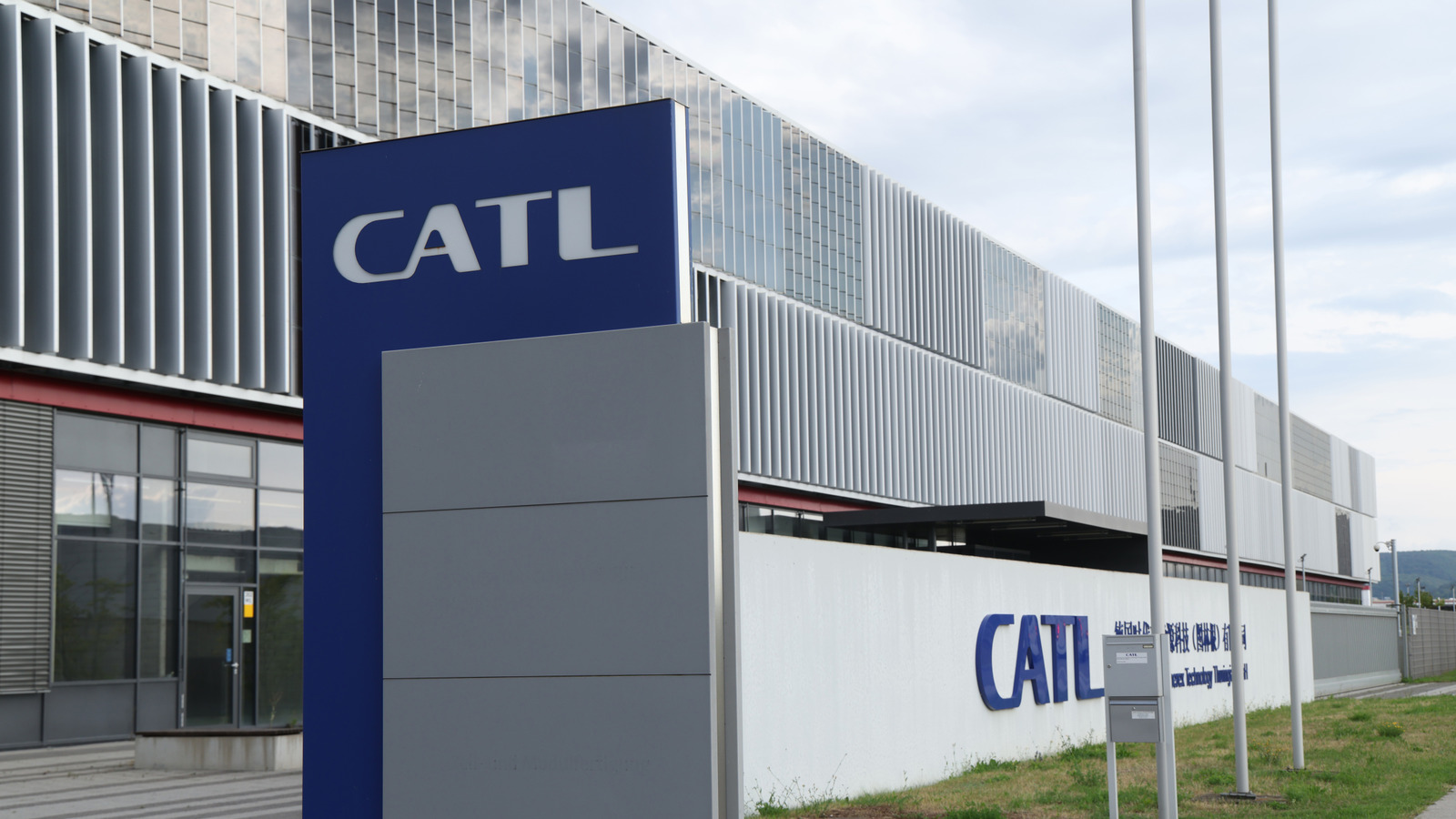
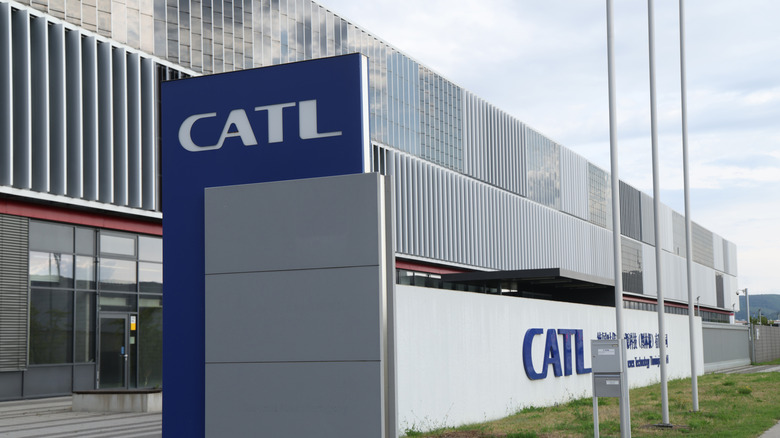
The Chinese auto industry committed to producing electric vehicles before its established Western counterparts, with the encouragement of government subsidies. Now, the country’s biggest players are opening battery factories overseas and steadily positioning themselves as the linchpin of the global lithium economy. As in other multinational industries, plant offshoring is a means of chasing higher profit margins. These batteries aren’t only powering EVs, but also serving as energy stores supporting alternative energy infrastructure.
The international effort didn’t come without cause. The Chinese government hinted last year that it would end subsidies for the country’s EV industry, which is now considered mature enough to support itself financially. It’s a viewpoint that feels very conservative, considering that over 80% of the world’s battery cells are produced in China. Wired looked into the global spread of Chinese battery production and noted a 29% profit margin on overseas-built batteries, compared with 23% for domestically produced batteries. Armand Meyer, a senior research analyst at Rhodium Group, said:
“They are ready to leave the domestic market, and they are as competitive as traditional Western players, or even more competitive. We think it’s just the beginning.”
Chinese industry is betting big on foreign battery plants
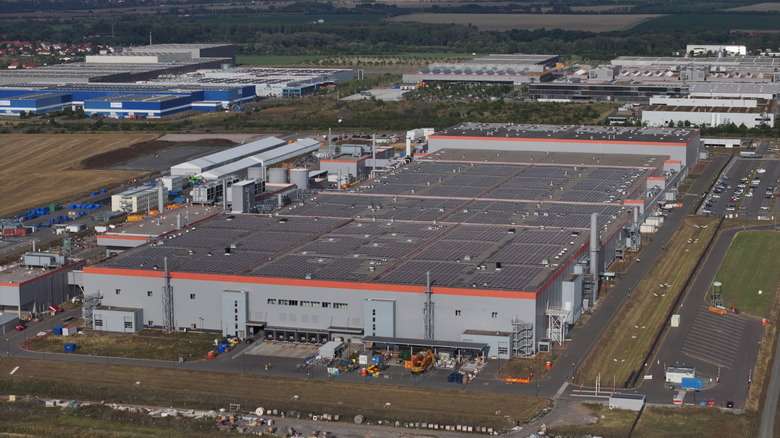
The Rhodium Group found that BYD, CATL, Gotion High–Tech and Envision constructed at least 68 battery factories abroad. A $45 billion investment is nothing to scoff at. The upside for the companies is impossible to ignore, as logistical costs are significantly lowered by slashing shipping distances. On the opposite, tension over a CATL plant in Hungary shows that host countries may not be fully aware of the implications. The factory in question laid off over 100 local employees and is being scrutinized for its environmental footprint.
Those profit margins are only set to grow in the coming years as trade barriers are removed. The European Union is currently negotiating with China to completely eliminate tariffs that can be as high as 35%. The policy shift comes as the European auto industry successfully lobbied the EU to drop the bloc-wide ban on new ICE car sales, essentially yielding the continent’s EV market to Chinese automakers. Canada is even reopening its market to China’s major manufacturers. However, I wouldn’t expect Chinese EVs to arrive on America’s shores anytime soon.

