


Confirmed incursions at a strategic U.S. bomber base highlight real risk
A Week of Drone Incursions at a Strategic Base
Unauthorized drones flew over Barksdale Air Force Base during the week of March 9, prompting a law enforcement response and renewed concern about drone threats to sensitive U.S. military sites.
Officials confirmed that multiple unauthorized unmanned aircraft operated in restricted airspace over the base. The installation also issued a temporary shelter-in-place order on March 9, which was lifted later that day.
Base officials said they are working with federal and local authorities. They emphasized that flying a drone over a military installation is a criminal offense under federal law.
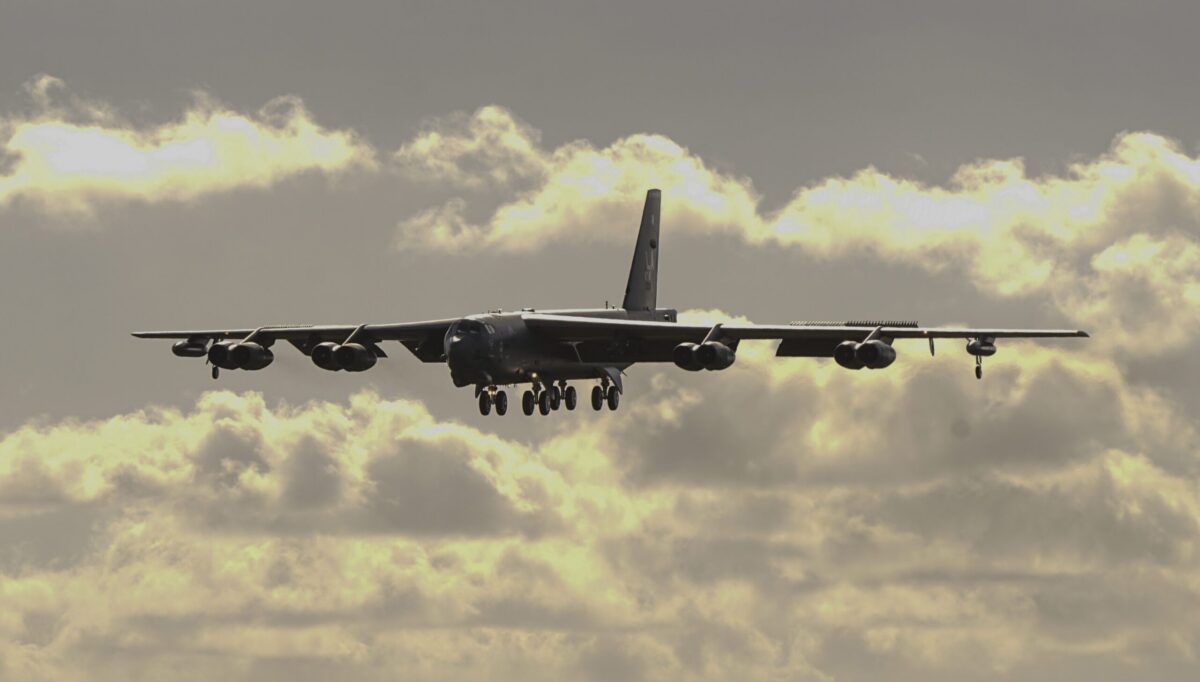
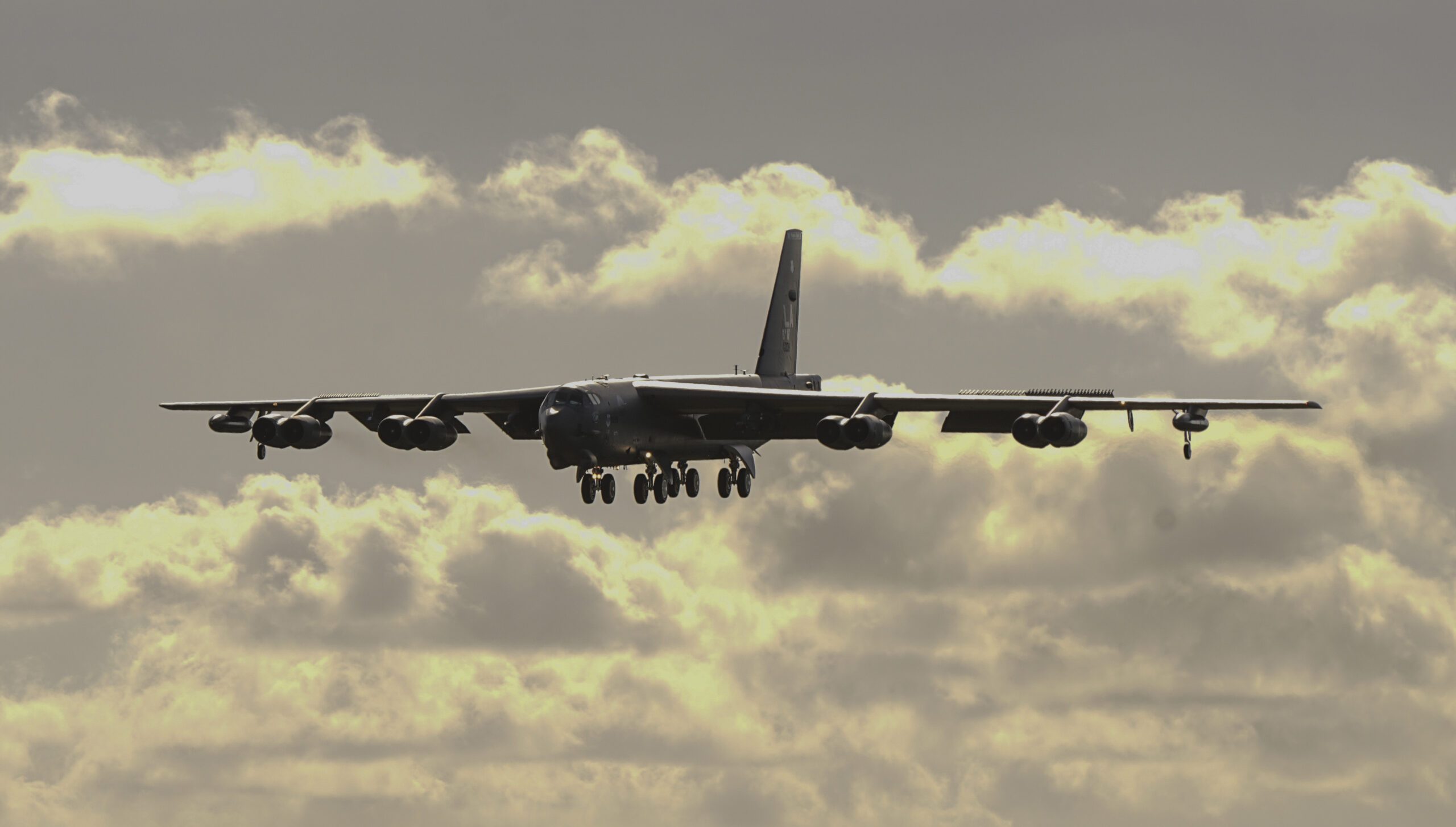
The incident matters because Barksdale is not a routine installation. It is home to the 2nd Bomb Wing, the largest bomb wing in the U.S. Air Force. The base supports long-range strike missions and provides nuclear command-and-control capabilities tied to United States Strategic Command.
What Happened and What Remains Unclear
Officials have confirmed the presence of unauthorized drones. However, many details remain under investigation.
Reporting from ABC News, citing a confidential briefing document, suggests the activity may have involved multiple waves of drones, possibly flying in coordinated patterns over several days. The report also described aircraft with non-commercial signal characteristics and potential resistance to jamming.
Those details have not been publicly released by the Air Force.
At this stage, officials have not identified the operators or confirmed the origin of the drones. There is also no public evidence linking the incident to a foreign actor.
Why Barksdale Matters
The location of the incident raises the stakes.
Barksdale’s mission includes operating B-52H Stratofortress bombers and supporting nuclear command systems. Its role makes it one of the most strategically important air bases in the United States.
An unauthorized drone overflight at such a site is not simply a nuisance. It raises questions about airspace security, detection capabilities, and response protocols at installations tied to national defense.
Military leaders have already warned that small drones present a growing challenge. In testimony before the United States Senate Armed Services Committee, Gen. Gregory Guillot of U.S. Northern Command said small UAS pose a significant risk to infrastructure and safety in the United States.
The Broader Threat Environment
The Barksdale incident comes at a time when drone warfare is evolving quickly.
Recent coverage by PBS NewsHour highlighted growing concern about U.S. readiness for next-generation threats, including coordinated drone attacks and low-cost aerial systems used in modern conflicts.
U.S. Central Command has also documented operations targeting drone and missile launch sites linked to Iran and affiliated groups. These developments underscore how drones have become a key tool in asymmetric warfare.
Officials have not connected the Barksdale incident to Iran or any foreign actor. Still, the timing places the event within a broader discussion about how the U.S. detects and defends against emerging drone threats.
What Was the Impact?
The immediate operational impact at Barksdale appears limited to precautionary measures, including the shelter-in-place order and increased security response. However, the broader impact is more significant. Even a small number of drones can force military installations to take defensive action. These responses require coordination across agencies and can divert resources from other missions.
The incident also highlights ongoing gaps in counter-UAS authority, technology, and coordination, issues that lawmakers and defense officials continue to debate.
What Happens Next?
The investigation into the Barksdale incursions is ongoing. Officials have not announced any arrests or identified those responsible.
At the policy level, pressure is building for expanded counter-drone authorities. Congress has advanced legislation such as the Counter-UAS Authority Security, Safety, and Reauthorization Act, which aims to improve coordination between agencies like the Federal Aviation Administration, the Department of Homeland Security, and the Federal Bureau of Investigation. The legislation also proposes pilot programs to extend counter-UAS capabilities to state and local law enforcement.
At the same time, defense officials continue to call for more advanced detection and mitigation tools, as well as clearer operational authorities.
Real Threats, Real Noise
Together, the two cases highlight a central challenge for the drone era.
Unauthorized drone activity over sensitive sites like Barksdale presents a real and evolving security risk. At the same time, misidentified or unverified sightings can trigger costly responses and public alarm.
For regulators, defense agencies, and the drone industry, the path forward will require both stronger counter-UAS capabilities and careful communication with the public.
The Barksdale investigation may provide more answers in the weeks ahead. For now, it serves as a reminder that in a crowded and complex airspace, distinguishing between credible threats and false alarms has become a critical task.
Read more:

Miriam McNabb is the Editor-in-Chief of DRONELIFE and CEO of JobForDrones, a professional drone services marketplace, and a fascinated observer of the emerging drone industry and the regulatory environment for drones. Miriam has penned over 3,000 articles focused on the commercial drone space and is an international speaker and recognized figure in the industry. Miriam has a degree from the University of Chicago and over 20 years of experience in high tech sales and marketing for new technologies.
For drone industry consulting or writing, Email Miriam.
TWITTER:@spaldingbarker
Subscribe to DroneLife here.

