


In an exclusive interview with Ascent AeroSystems CEO Paul Fermo: how Robinson and Ascent aim to scale autonomy from small drones to full-size helicopters
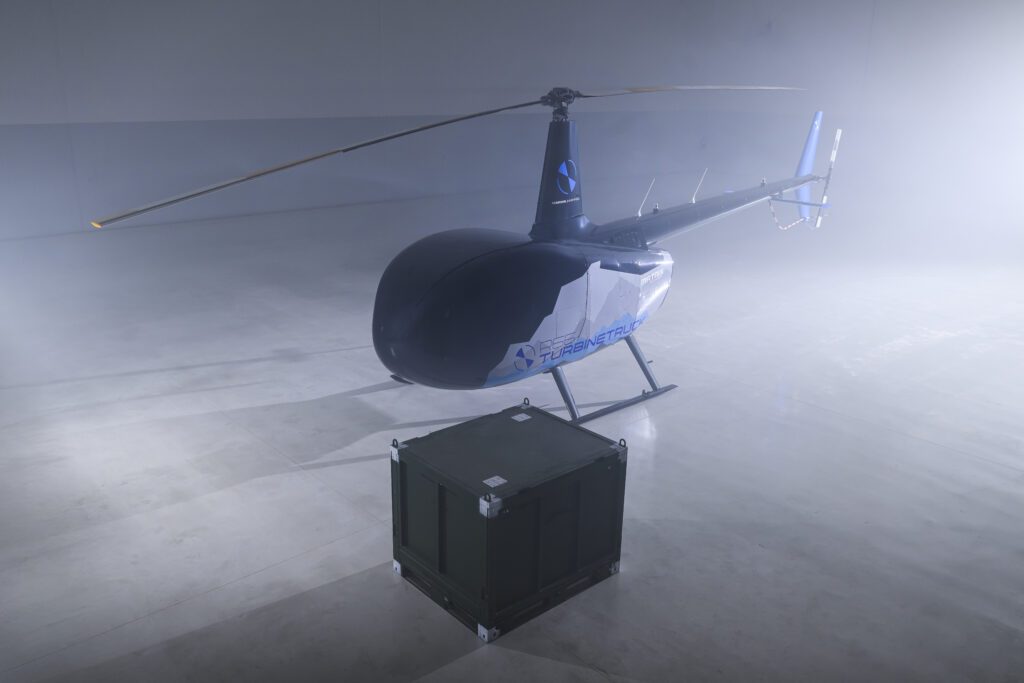
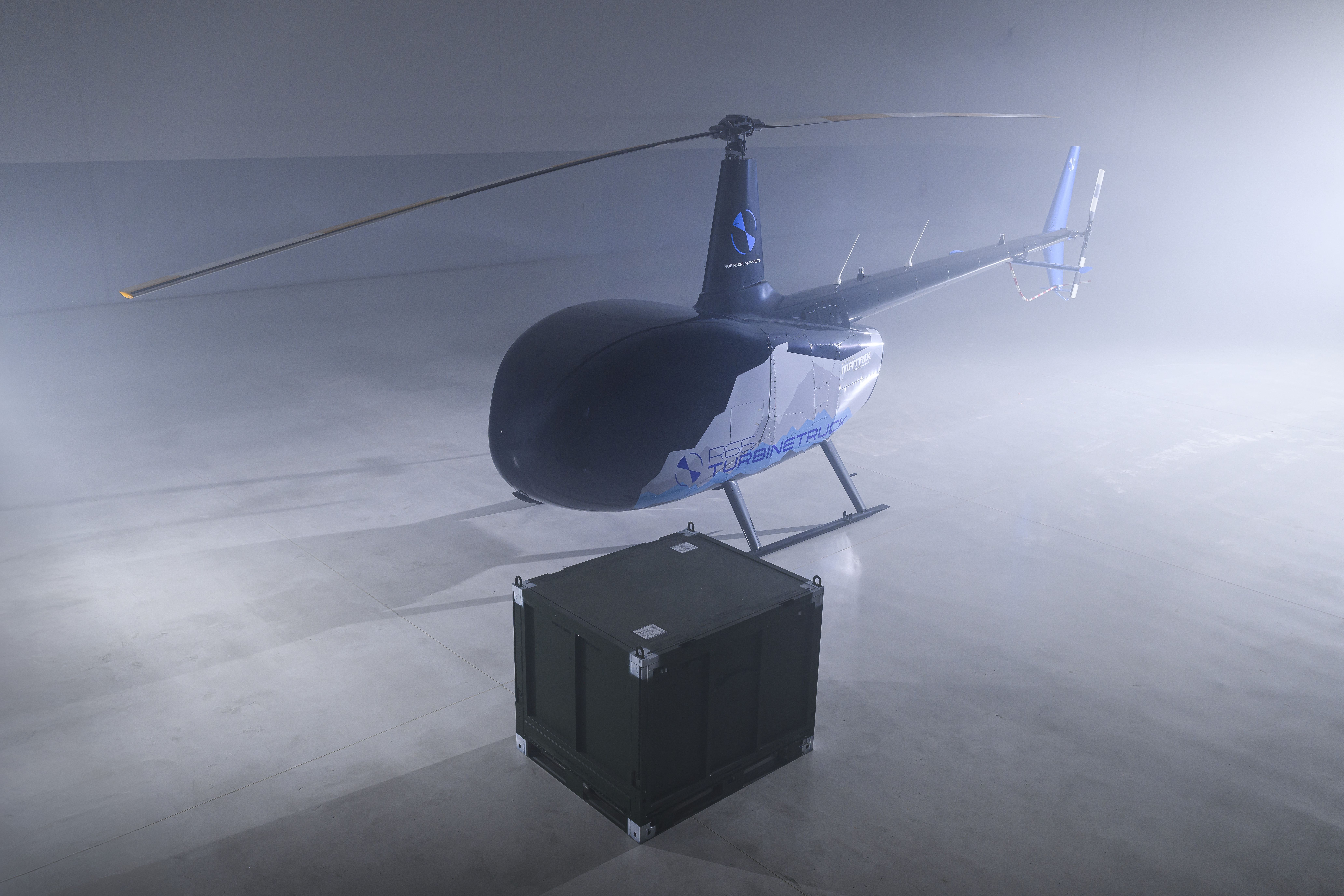
The rotorcraft industry is entering a new phase as established helicopter manufacturers move deeper into autonomous aviation. A recent announcement revealed a collaboration between Sikorsky and Robinson Helicopter Company to introduce the R66 TURBINETRUCK, an autonomous cargo helicopter integrating Sikorsky’s MATRIX™ autonomy system. The platform is designed for missions ranging from cargo delivery and disaster response to contested logistics.
At the same time, Robinson is expanding its unmanned strategy through its Robinson Unmanned business unit, working alongside partners such as Robinson Helicopter company Ascent AeroSystems. In an exclusive interview with Ascent AeroSystems CEO Paul Fermo, DRONELIFE explored what this broader shift means for the drone and rotorcraft industries.
Together, the initiatives reflect a growing trend: combining aviation-grade rotorcraft platforms with autonomous flight technologies to build scalable uncrewed fleets.
A Turning Point for Unmanned Rotorcraft
Robinson Helicopter Company has spent more than five decades building manned helicopters such as the R22, R44, and R66. The launch of a dedicated unmanned business unit signals a strategic shift toward autonomy.
According to Fermo, the timing reflects both technological readiness and market demand.
“The momentum in the market is clearly moving in this direction,” Fermo said. “Across both defense and commercial sectors, the signals are clear. By combining the capabilities of companies like Robinson and Ascent, we’re not waiting for the industry to define the future. We’re helping to shape it.”
The collaboration also reflects a broader industry trend: pairing traditional aerospace manufacturing with drone autonomy technology. The R66 TURBINETRUCK itself builds on a proven airframe while integrating advanced autonomous navigation capabilities.
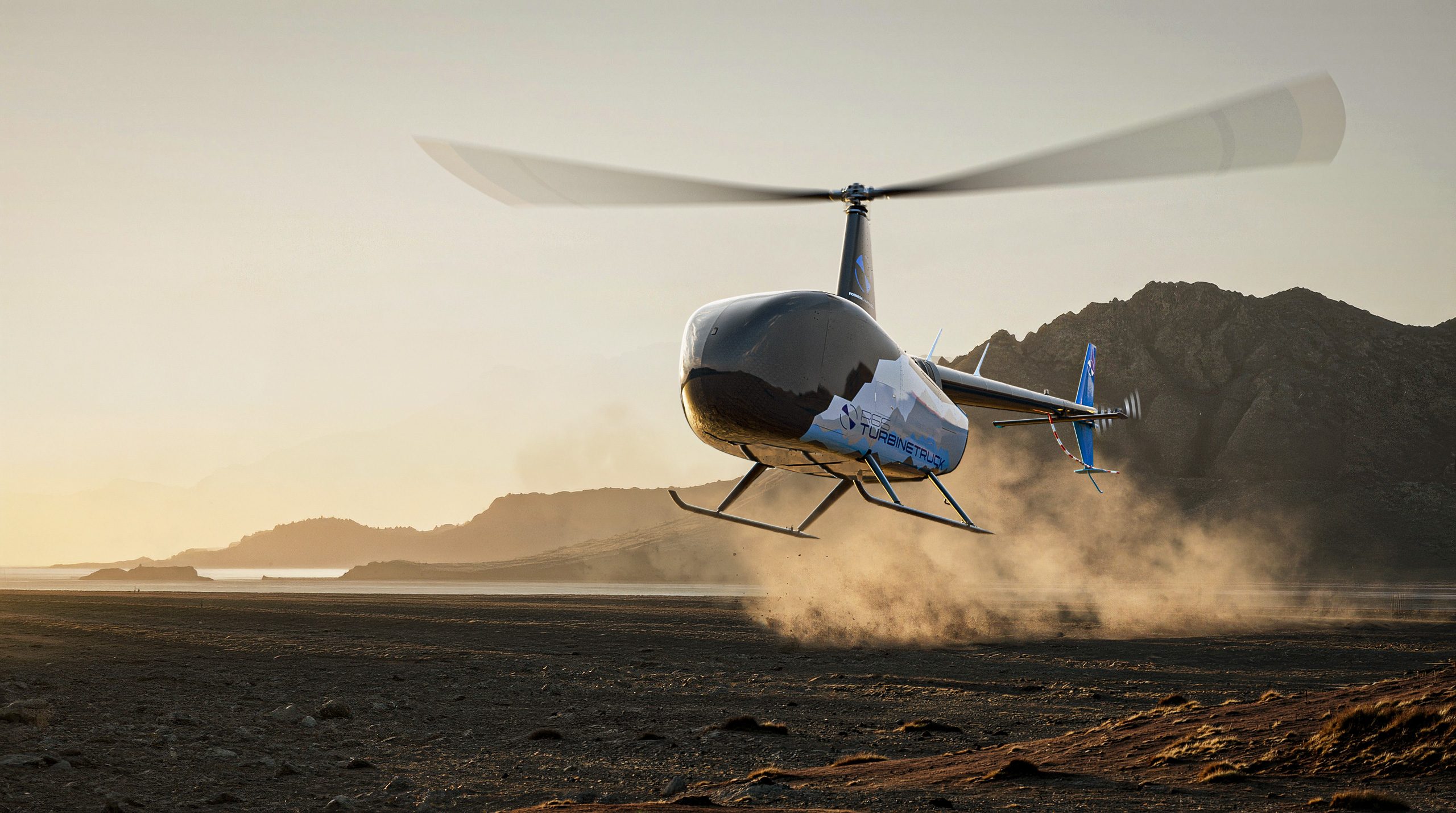
Once loaded, operators input mission goals via a tablet interface. The MATRIX system then generates a flight plan and navigates using onboard sensors, cameras, and algorithms to reach its destination safely.
Scaling From Small Drones to Full Helicopters
One of the most notable aspects of the Robinson–Ascent collaboration is its emphasis on scalability.
Ascent AeroSystems is known for coaxial drone platforms, while Robinson manufactures full-scale helicopters. Fermo believes combining these technologies creates a unique “system-of-systems” approach.
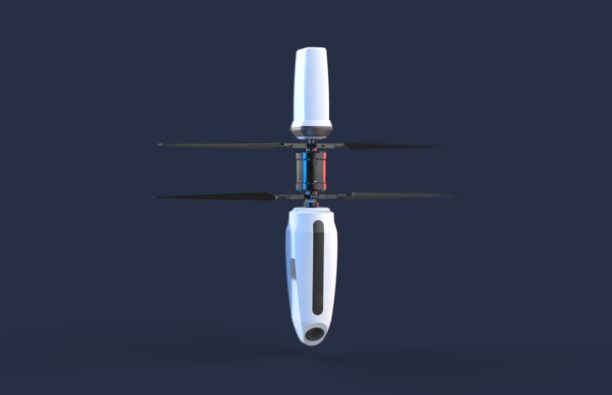
“There’s commonality across the airframe structures and technologies, from small drones to larger aircraft,” Fermo explained. “We’re bringing interoperability in a way few companies can. From the hardware stack to the software stack, we’re building systems that work together across the entire spectrum of aircraft.”
The strategy allows operators to deploy fleets that range from handheld drones to heavy-lift autonomous helicopters.
This scalability may prove valuable for both military and commercial users who need different aircraft types for different mission profiles but prefer a unified technology ecosystem.
The “Era of Both”: Humans and Autonomy
Rather than replacing pilots entirely, the industry is increasingly talking about an “Era of Both” in aviation. The concept describes a future where crewed and uncrewed aircraft operate together.
For Fermo, the most immediate applications involve logistics and high-risk missions.
“Logistics resupply in contested environments is a clear example,” he said. “Being able to deliver supplies at scale, at lower cost, and without risking human life is a powerful capability.”
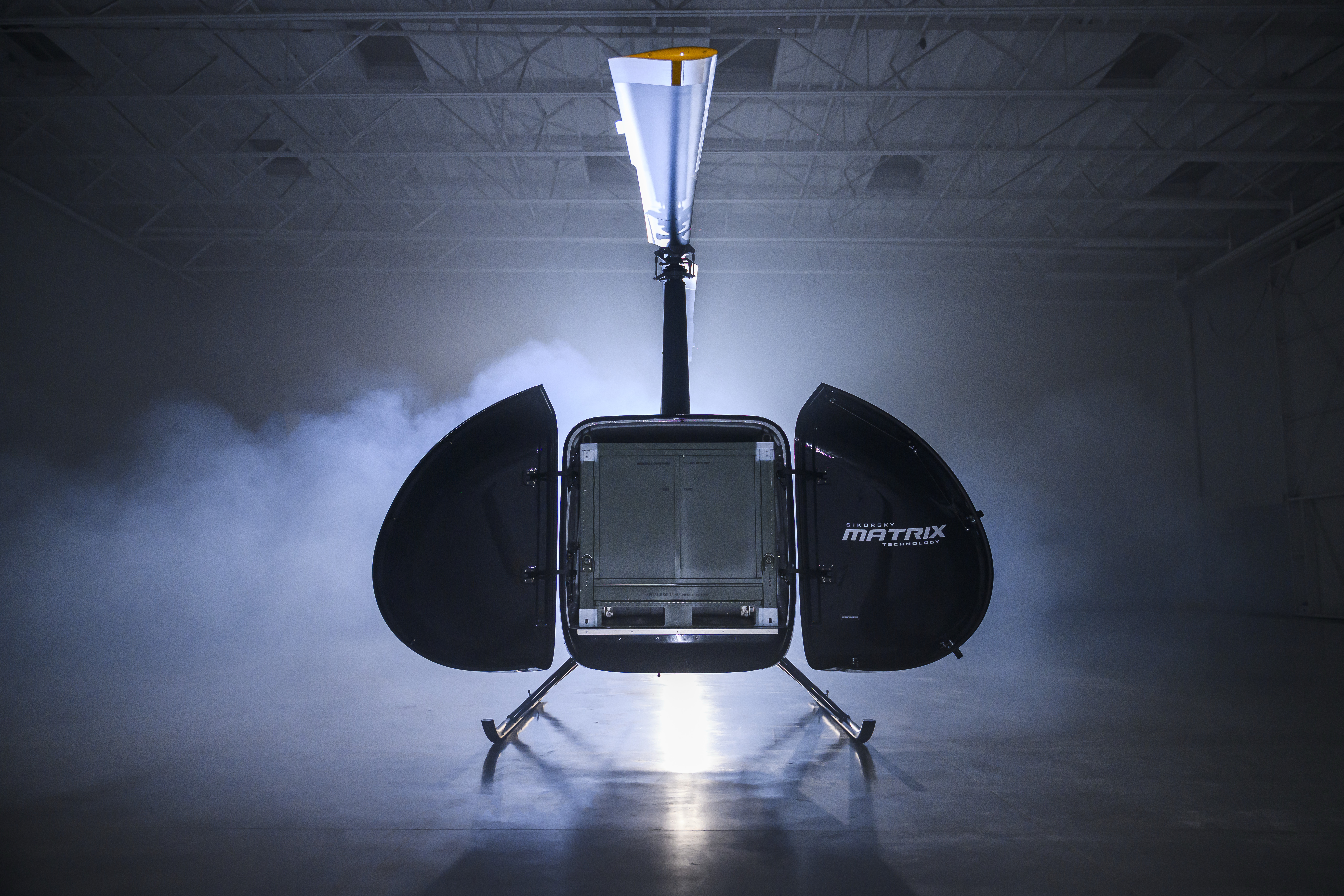
The R66 TURBINETRUCK reflects that concept. By removing the cockpit and crew stations, the aircraft creates additional cargo space while maintaining a familiar rotorcraft architecture.
The design includes a large cargo compartment and clamshell door for palletized freight, making it suitable for remote logistics operations or disaster relief missions.
Modularity and Open Architecture
Another key theme in the new generation of autonomous aircraft is modular design.
Robinson Unmanned platforms emphasize open architecture, allowing operators to integrate different autonomy systems, sensors, and payloads as technology evolves.
Fermo says this flexibility is essential in a fast-moving industry.
“We see ourselves as a platform provider,” he said. “Different technologies in the unmanned ecosystem evolve at different speeds. By building modular platforms, we can integrate best-in-class capabilities quickly and keep pace with innovation.”
This approach may also help customers avoid vendor lock-in and adapt systems for new missions over time.
Manufacturing Scale and “Attritable” Systems
Beyond technology, production capacity is emerging as a decisive factor in the drone industry.
Governments and defense agencies increasingly emphasize the need for large numbers of relatively low-cost systems. The concept of “attritable” drones, systems capable enough for meaningful missions but affordable enough to risk losing, has gained traction.
Fermo pointed to Robinson’s decades of manufacturing experience as a critical advantage.
“It’s not just about capability. It’s about capacity,” he said. “Robinson has spent decades producing aviation-grade rotorcraft at scale. Translating that manufacturing expertise into unmanned systems is a huge differentiator.”
He also noted that the company’s production model emphasizes vertical integration and the U.S.-based manufacturing ecosystem, maintained since its founding, which may appeal to government buyers concerned about supply chain security.
What Comes Next
The introduction of platforms like the R66 TURBINETRUCK highlights a growing convergence between traditional aviation and the drone industry.
Autonomous systems are no longer limited to small quadcopters or niche applications. Instead, they are moving into larger aircraft designed for logistics, disaster response, and defense missions.
If companies like Robinson and Ascent succeed in building scalable fleets that combine aviation reliability with drone autonomy, the impact could extend far beyond military use.
From offshore logistics to agricultural operations and disaster response, autonomous rotorcraft may soon become a common sight in the skies.
“Expect to see an evolution of operations that integrate unmanned assets into the dull, dirty and dangerous missions that put humans/pilots at risk today. It won’t be about choosing between manned and unmanned operations. It’s not about replacing helicopter pilots with drone operators… it’s about increasing operational tempo and efficiency while minimizing risk to human life.”
And as Fermo suggests, the shift is already underway.
“The future isn’t fully autonomous aviation or fully crewed aviation,” he said. “It’s both.”
Read more:

Miriam McNabb is the Editor-in-Chief of DRONELIFE and CEO of JobForDrones, a professional drone services marketplace, and a fascinated observer of the emerging drone industry and the regulatory environment for drones. Miriam has penned over 3,000 articles focused on the commercial drone space and is an international speaker and recognized figure in the industry. Miriam has a degree from the University of Chicago and over 20 years of experience in high tech sales and marketing for new technologies.
For drone industry consulting or writing, Email Miriam.
TWITTER:@spaldingbarker
Subscribe to DroneLife here.

