


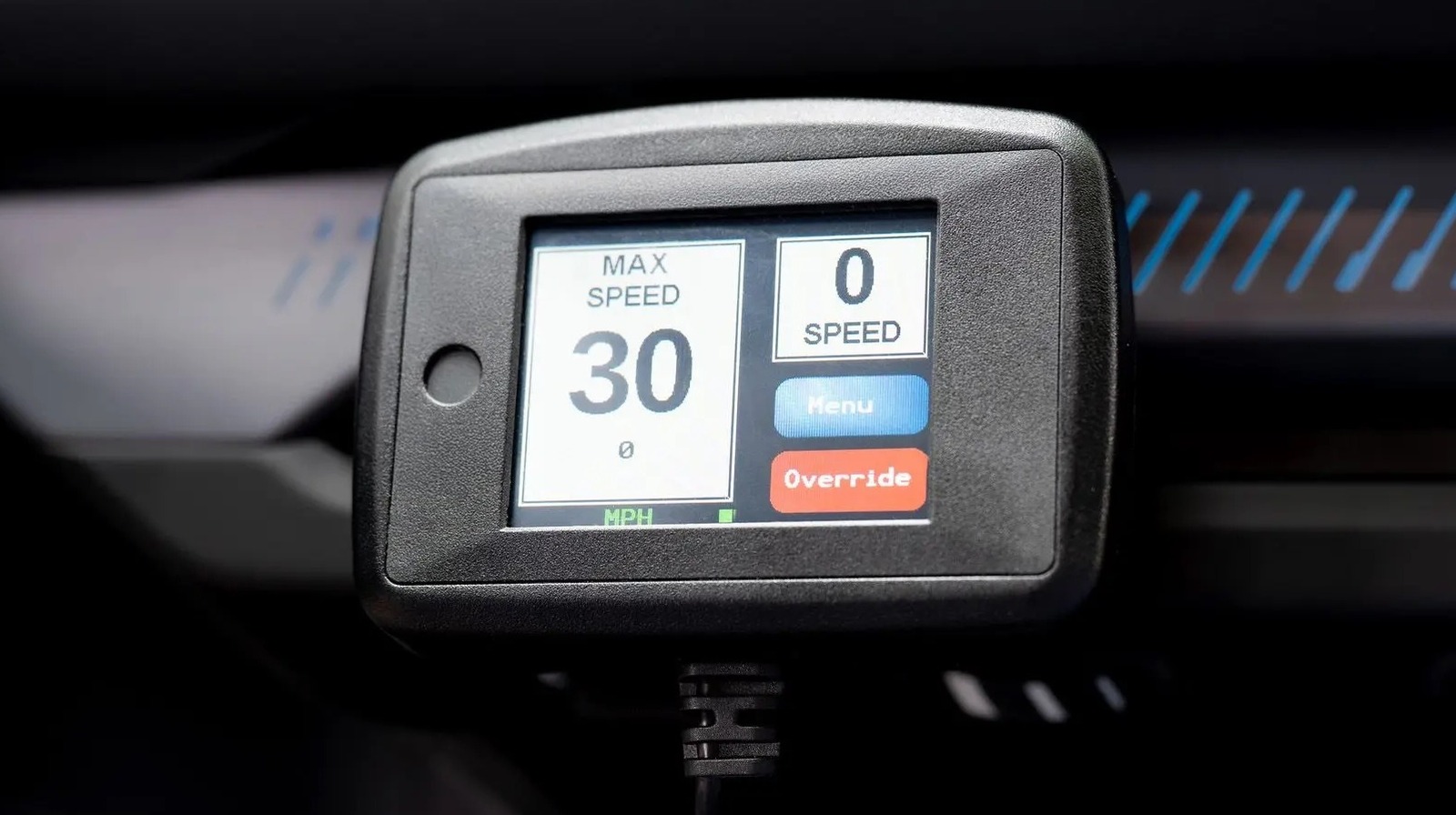
Arizona speeders who would otherwise lose their licenses may gain an option to stay on the road, with a catch. A proposed law would give people convicted of certain speeding offenses the option to install a speed-limiting device on their cars rather than having their license suspended, reports the Arizona Capitol Times. These devices would theoretically prevent the cars they’re installed on from exceeding the speed limit, stopping severe or habitual offenders from committing further offenses.
The original version of the bill, HB2786, was voted down earlier this year because it would have allowed courts to mandate these devices, rather than making them voluntary as the current proposal does. State Representative Quang Nguyen, who sponsored the bill, now says this interpretation of the bill was “a misunderstanding by his colleagues,” despite the first sentence of the original bill stating:
“Allows courts to mandate the installation of speed inhibiting devices on vehicles as an alternative to license suspension or revocation for certain traffic offenses, outlining specific durations, compliance requirements and penalties for violations.”
Regardless, Nguyen now proposes that speed limiters would be an option to license suspension for some of the more severe speeding offenses. These include exceeding 100 mph, street racing, or any other offense resulting in a one-year suspension. This would enable convicted speeders to continue driving to work, running errands, and otherwise continue living their lives, something that could be difficult or impossible without a car across Arizona’s flat, wide-open spaces.
An imperfect solution
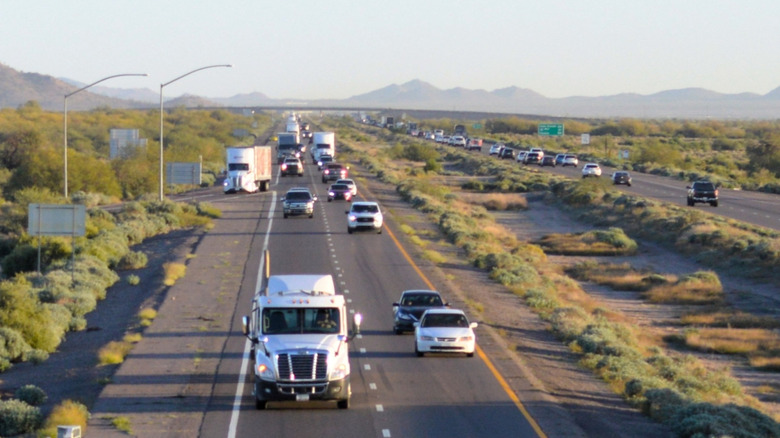
The bill sounds good in theory, but there are problems with this idea in the real world. Such devices cost between $100 and $250 to install, and then a $4 per day subscription fee. That seems cheap at first, until you realize it adds up to about $120 per month. That’s a high price to pay to stay on the road. There’s an argument that it’s justified, because if you don’t want to pay it, don’t speed in the first place. However, such costs are prohibitive for those who can least afford to lose their ability to drive to work and pay those bills, making this more like another way for the rich to pay their way out of a license suspension.
The technology isn’t perfect, either. The device relies on GPS and cellular data to make sure it knows how fast you should be going. I spent three winters in Arizona avoiding real winters, and learned that outside of major cities and highways, many areas don’t have cell service. Sometimes the information can be wrong. Construction zones often have a temporarily reduced speed limit that the device may not be aware of. The data it does have can be wrong, too. For example, Google Maps thinks the narrow, winding dirt road I live on has a 65 mph speed limit that only a rally champion could achieve. I’ve also seen cases where it thinks a 45 mph road has a 25 mph speed limit, which would be inconvenient at best and dangerous at worst for a speed-limited vehicle.
Finally, there are privacy concerns. LifeSaver, one manufacturer of these devices, also sells them for fleet management and new drivers. It can share its location with parents and provide even more data to commercial fleets with “GPS-powered reporting and monitoring tools.” Who has access to this data in government applications? Is the government watching your movements? Who else is this data being shared with? Insurance companies?
On the surface, limiting the speed of people who grossly exceed the speed limit may seem like a good idea. But after digging deeper, it seems that there are enough financial, technological, and privacy issues with speed-limiting devices that I’d have to seriously consider taking the license suspension instead.

