


Bad Influence: How the Internet Hijacked Our Health Deborah Cohen Viking (2026)
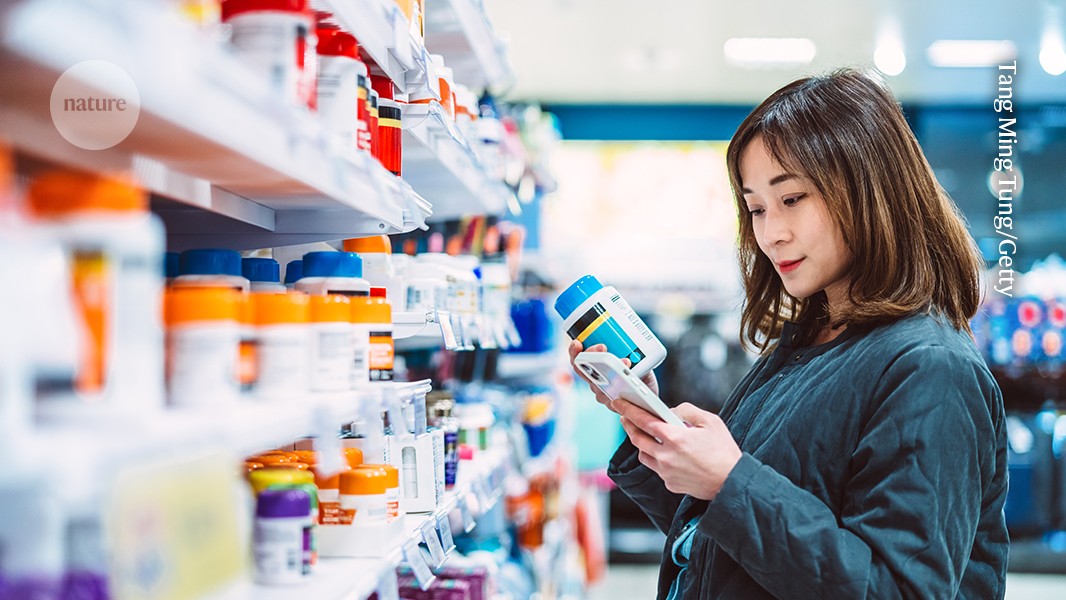
Previously, when you felt ill, you consulted a doctor. Now, you consult the Internet. In 2025, nearly 80% of US adults said that they were likely to look online for answers to a health question, according to one survey (see go.nature.com/4qzhgiv). And 75% of 18–29-year-olds report using social media for health information and advice (see go.nature.com/4bqlcuw).
How online misinformation exploits ‘information voids’ — and what to do about it
In Bad Influence, medically trained journalist Deborah Cohen examines the problems and opportunities that arise from this shift. She is well positioned to analyse the impacts, having a stellar track record of exposing questionable medical claims and practices that are poorly supported by evidence from research. Her deeply reported, compelling analysis lays bare how social-media influencers, apps, algorithms and the rest of the digital ecosystem are transforming our health, for better or — often — for worse.
Cohen says she tried to keep an open mind when researching the book. She is careful to acknowledge that the Internet has helped to empower and inform individuals by democratizing medical knowledge, and that there is a shortage of rigorous research showing that online information can change people’s behaviour and health.
Nevertheless, she uncovers an ocean of “health information being put onto and shaped by what are — for all intents and purposes — shopping and advertising platforms”. Social-media platforms typically have business models that rely on keeping users on screens. Content creators are incentivized to produce attention-grabbing posts and collaborate with pharmaceutical and other health-related firms.
Filling the gaps
Take attention deficit hyperactivity disorder (ADHD), for example. Diagnoses for this condition are rising in many countries, on which I have reported previously (Nature 647, 836–840; 2025). ADHD is one of the hottest health topics on social media; some ADHD influencers who post about their condition have giant followings of several million people.
Raising awareness of ADHD has benefits. Influencers and discussions on social media have helped people to recognize and seek help for symptoms — of inattention, impulsivity and hyperactivity — that they’ve long struggled with, and to find effective treatments and a supportive network. Social-media communities have fuelled the neurodiversity movement, which typically frames ADHD as a difference or identity rather than solely a disorder. They have also highlighted common symptoms that are not captured in conventional diagnostic criteria1.
Nature Outlook: ADHD
But it has created challenges, too. The difficulty of securing a thorough, regulated diagnostic assessment — which can take years in the United Kingdom, for instance — has helped “a booming online industry to flourish”, notes Cohen. Specialists worry that some people inaccurately self-diagnose using online videos. Influencers sometimes share conflicting advice or might promote unproven supplements. Many of them have commercial interests. One study2 of the most-watched 100 TikTok videos on ADHD — which together had almost half a billion views — found that at least half of the content creators marketed products or sought donations.
Cohen is particularly good at showing how shortcomings in research and medicine drive people to the Internet. For instance, medical research has long sidelined women’s reproductive health, and many women feel that doctors ignore their concerns. “Social media steps into this vacuum,” she writes. Apps and devices that track fertility — for example, using menstruation timings and body temperatures — are flourishing. That their effectiveness in preventing pregnancy is less well understood than that of hormonal contraceptives does not stop some influencers from promoting them for this purpose.
Often, little uncertainty is reflected in information circulating online. “Companies can benefit from exaggerated claims made by content creators while maintaining plausible deniability,” Cohen writes. Some firms are increasingly working with ‘patient influencers’, who build trusted relationships with followers through relatable posts about their health condition and medications. One 2023 US study3 based on in-depth interviews with influencers who collaborated with brands found that more than half worked with a pharmaceutical company. Corporate ties, Cohen highlights, are not always disclosed correctly or at all. A 2024 European Commission study of social-media posts by influencers found that only 20% consistently declared that their content was advertising (see go.nature.com/4qk5rxj).

People might turn to online information if they feel that doctors ignore their worries.Credit: Jahi Chikwendiu/The Washington Post/Getty

