


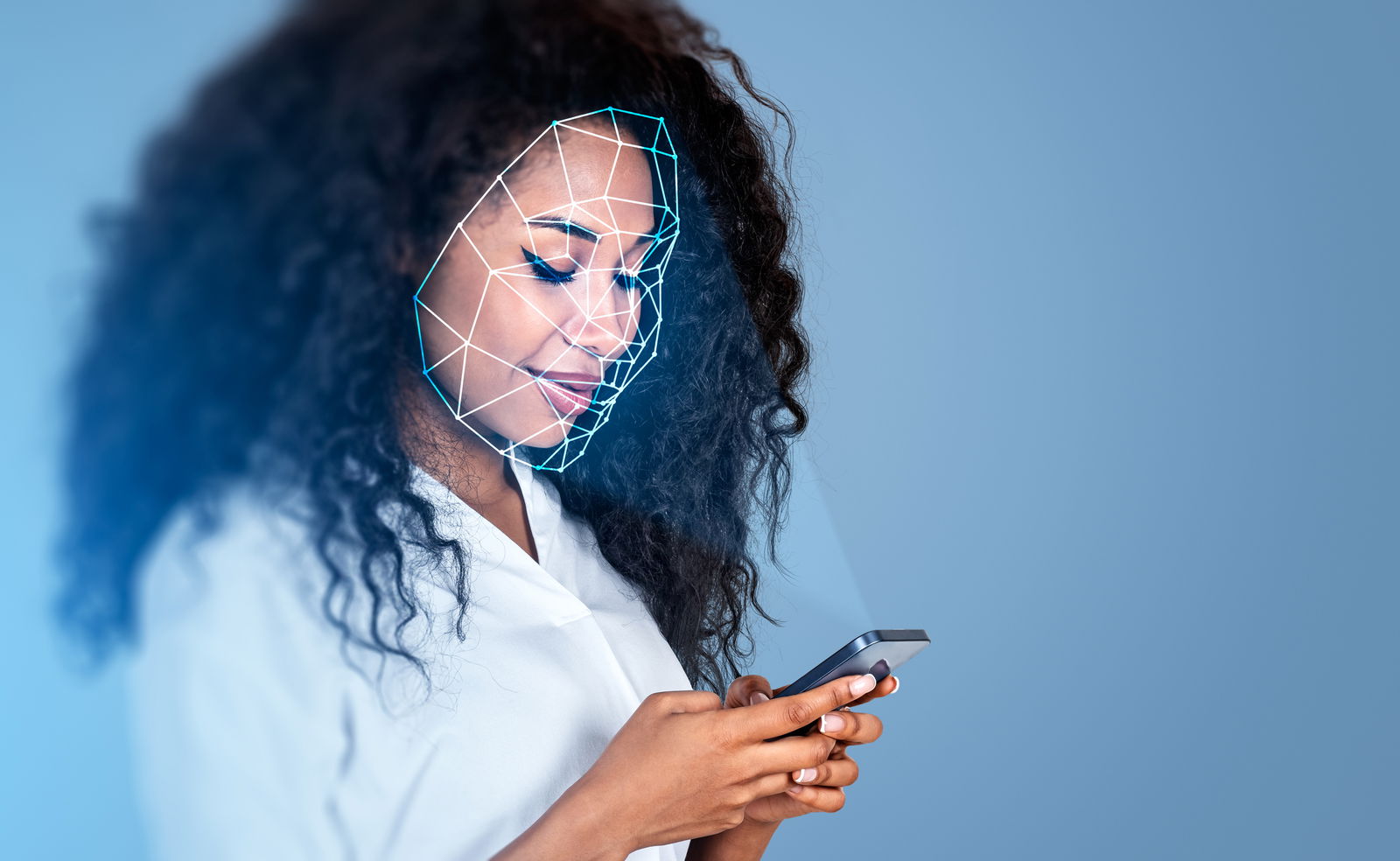

Artificial intelligence (AI) is making it easier for scammers to impersonate online creators, raising concerns about lost income, damaged reputations, and limited legal protections for entrepreneurs whose digital identities are stolen, PC Mag reports.
Is AI Participating In Digital Identity Theft
According to the outlet, creators across Instagram, TikTok, and YouTube say AI-generated copycat accounts are repurposing their videos, altering their appearances, and using their likenesses to promote products or spread misinformation, exposing gaps in how social media platforms respond to AI-powered impersonation.
Among those affected is fitness creator Marsha Dunkel, who has built an Instagram following of about 1.2 million with partner Antoine Gillet. The couple told the magazine they discovered AI-generated versions of Dunkel circulating online after followers alerted them. Dunkel said one impersonator threatened to report her account after she requested the fraudulent content be removed, prompting concerns that even a temporary suspension could disrupt their business.
The outlet also reported that fitness coach Abbey Reynolds, musician Sophie Burrell, and YouTube creator Rhett Shull have publicly documented similar experiences with AI-generated impersonation.
For creators, influencers, and small business owners, the consequences can extend beyond social media. Impersonation can undermine consumer trust, jeopardize brand partnerships, and divert revenue from legitimate businesses built around a creator’s personal brand.
Legal protections have yet to catch up with the technology. Thomas Dunlap, a partner at intellectual property law firm Dunlap, Bennett & Ludwig, told the outlet that federal law remains limited when it comes to commercial deepfakes. He pointed to the proposed No Fakes Act, which would create federal protections against the unauthorized AI use of a person’s voice or likeness if enacted.
“We just don’t have the law yet around regular deepfakes, especially when it comes to commercial stuff,” Dunlap told the publication.
Until broader protections are in place, Dunlap recommended documenting evidence, reporting impersonating accounts to social media platforms, notifying audiences through official channels, consulting an intellectual property attorney, and reporting serious incidents to the FBI’s Internet Crime Complaint Center.
Google told the magazine that YouTube offers tools to detect and remove unauthorized AI-generated content, while Meta did not respond to the publication’s request for comment.
RELATED CONTENT: The Secrets Behind Dell Technologies’ Use of Artificial Intelligence

