


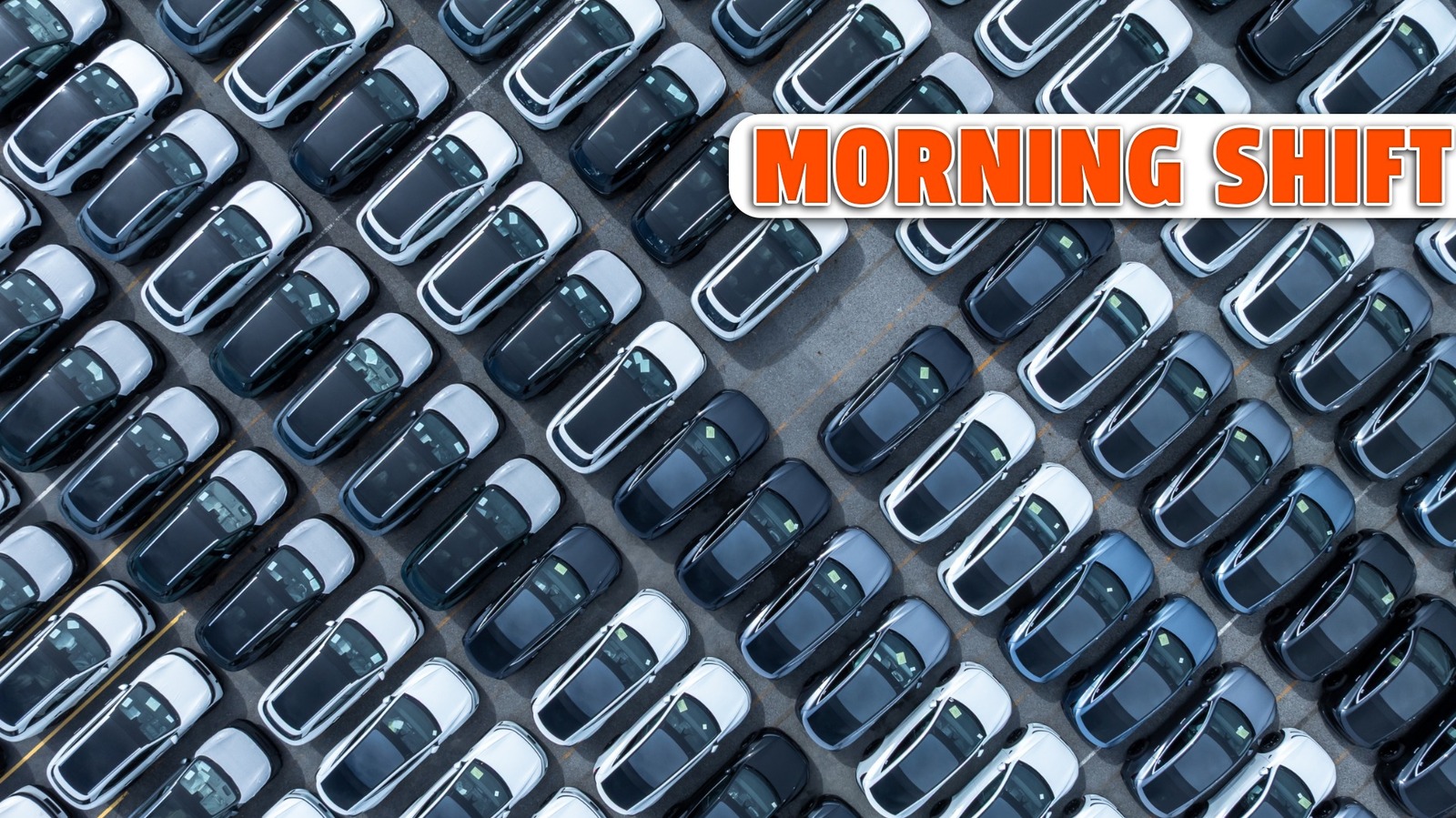
The average new car is currently $52,105, according to Automotive News — the highest price it’s ever been — so you’d think leasing would also be at an all-time high to help folks afford these prices, but that’s very much not the case. In actuality, vehicle leasing has been declining in the U.S. in recent years. Prior to the pandemic, leasing made up about 30% of the new-vehicle market. That number dropped to 17% following post-pandemic car shortages. To this day, leasing hasn’t recovered, and in the first half of 2026, leases accounted for 23% of new car deals.
It’s not because Americans don’t want to lease cars anymore, and it’s not because there’s still a shortage. It’s because automakers have gotten stingier. They’re no longer willing to offer the low monthly rates that have enticed buyers to lease in the past. Shoppers returning at the end of their term are often being presented with monthly rates on their next leases that are hundreds of dollars higher, and it just doesn’t make the same financial sense anymore. From Reuters:
The decline in leasing has contributed to a broader affordability crunch for U.S. car shoppers, and crimped the flow of returning customers to dealerships. The lack of cheap leases has pushed some buyers to instead stretch their financing terms, sometimes to as long as seven years.
[…]
Leasing typically gives buyers lower monthly payments than on a financed purchase. For automakers, leases are generally less profitable, but they help boost new-vehicle deliveries and keep a steady stream of buyers coming back.
Leasing is especially popular among luxury car buyers who like new features and designs.
But automakers learned a lesson amid a vehicle-availability crunch from 2021 to 2023, which stemmed from a computer-chip shortage: Keeping dealer inventories tighter curbs the need for discounts and other incentives, including lease deals.
That new approach, along with higher interest rates in recent years, means lease customers are paying more.
Leases still offer lower monthly payments – the average is about $650 a month compared with $800 to finance a new vehicle, according to JD Power.
But “they’re still nowhere near as good as they used to be,” said Ivan Drury, director of insights at car-shopping site Edmunds.
The leasing decline is also partly why 23% of new-vehicle purchases in the second quarter included 84-month (seven-year) loans, according to Edmunds data.
A lack of leasing is also having downstream effects for dealers and used-car shoppers. Those dealers are now losing out on a steady stream of customers who return regularly every two or three years.
Additionally, the newfound drop means a key supply of off-lease cars for the used car market is now gone. Used cars have been in short supply since the pandemic, and it has driven up prices. The average selling price of a three-year-old used vehicle has increased 43% since before Covid as off-lease volume has gone down.
Unfortunately for all of us, the pandemic taught automakers there were a lot of very creative ways they could squeeze customers for money, and there’s very little we can do about it.

