


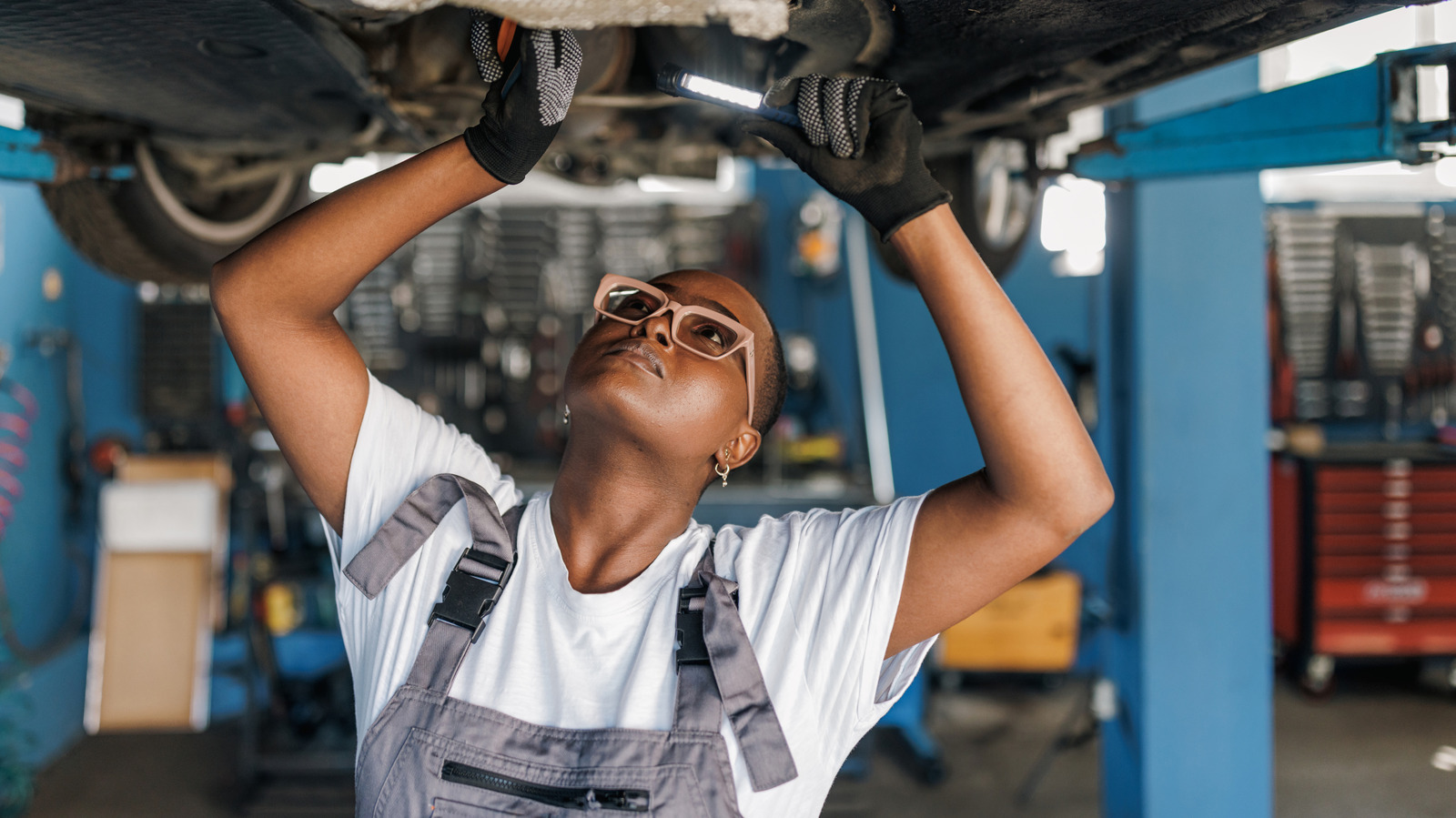
Cars are more expensive than ever, leading many to hold onto their old cars longer. Older cars need more maintenance and repairs than new ones, but that cost is still less than the average car payment these days, at least for now. As more high-tech features find their way into, and are even required, on cars, independent mechanics are finding themselves unable to keep up with all the changes, reports the Detroit News.
Cars fully transitioned into consumer electronics, and manufacturers like to hold onto as much of their data and processes as possible citing them as intellectual property and proprietary data. Right to Repair laws are supposed to be forcing them to share the information independent shops need to work on newer vehicles, but manufacturers keep pushing back. We’ve written a lot about how this affects DIYers, but independent mechanics suffer just as much. They rely on access to this information to repair customers’ cars and keep their shops open.
Basic diagnostic data has been available through OBD-II since 1996, but cars were much simpler back then. For context, basic fuel injection, rather than carburetors, had only recently become standard equipment. Today, far more complex computers are running pretty much everything in your car, from engine management to climate control and even lighting. It used to be easy to push a piston back into a brake caliper with a simple, cheap hand tool when replacing brake pads, but today a professional scanner tool costing thousands of dollars may be required to just retract an electronic parking brake piston. Veteran mechanics can’t rely as much on their years of experience with turning a wrench when so much relies on computers instead.
Manufacturers do make their diagnostic data available to those who need it, but it comes at a heavy price. From the Detroit News:
Many repairs require automaker-specific software available through subscriptions that can cost thousands of dollars a year. For example, Tesla charges $3,188 for an annual subscription, according to the mechanics and aftermarket parts trade group Auto Care Association. Ford Motor Co. charges $2,500 a year for access, and General Motors Co. charges $1,200 a year.
And I thought my streaming service subscriptions were expensive. These costs add up fast, making me wonder if we might see the return of shops like the Honda specialist, or the European car specialist, just because an independent shop can’t afford the high cost of subscriptions for every car that might roll in.
Sensors are everywhere
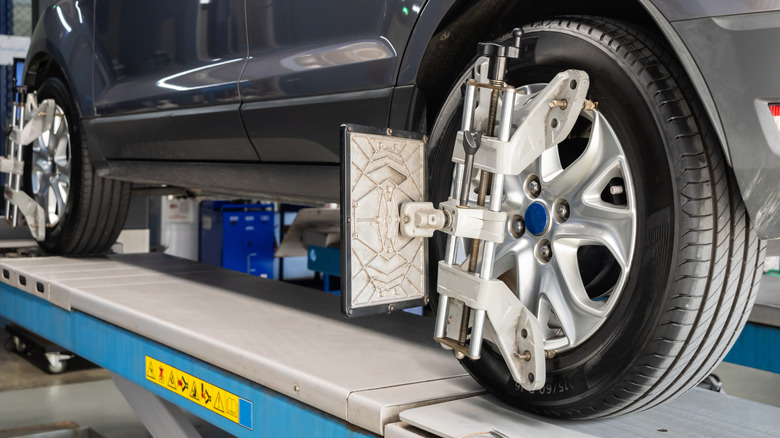
Diagnostics are just one piece of the puzzle. Other previously routine tasks, like wheel alignments, can now cost thousands of dollars, instead of hundreds, due to their increasing complexity on newer vehicles. Wired explains:
A decade or so ago, that took about an hour and a half, auto repairers who spoke to WIRED say. Today, that same procedure is usually closer to three or four hours, and it can take up to nine. That’s because newer cars have advanced driver-assistance systems, which can keep cars in their lane, detect blind spots, and avoid collisions—functions that require a car to have a firm grasp of where it is in space. That requires repairers to calibrate the sensors and cameras in a car underpinning those advanced systems.
Some brands of vehicle can only be calibrated with specialized and expensive tools. To start with, the equipment needed to assure a car’s wheels are in alignment costs in the $70,000 range, says Lucas Underwood, the president of L&N Performance Auto Repair in Blowing Rock, North Carolina. Then you’ll need targets, which help a car’s sensors and camera systems orient themselves. These can vary by automaker and cost around $30,000 per set.
The high cost for an independent shop to buy this equipment and train mechanics on it, just to continue offering a previously existing service, may simply not be worth it to them. The same is true for windshield replacements. Their cost and complexity have also skyrocketed because of all the sensors involved, and the need to recalibrate them when the glass gets replaced. Bumpers are now filled with sensors as well, and even a minor bump can lead to an expensive repair that only a trained technician can do.
All this, plus ongoing supply chain issues and a shortage of qualified mechanics, is more than some independent shops can bear. According to Wired, about half of auto shop owners were at least 60 years old as of 2019. They won’t make back the massive investments necessary to keep working on modern cars before retirement, which seems like a far more attractive option. These issues remain for anyone who might buy the business, and who can blame them if they don’t? That means these small independent shops may end up shutting down instead, leaving us with no option besides expensive dealer service instead.

