


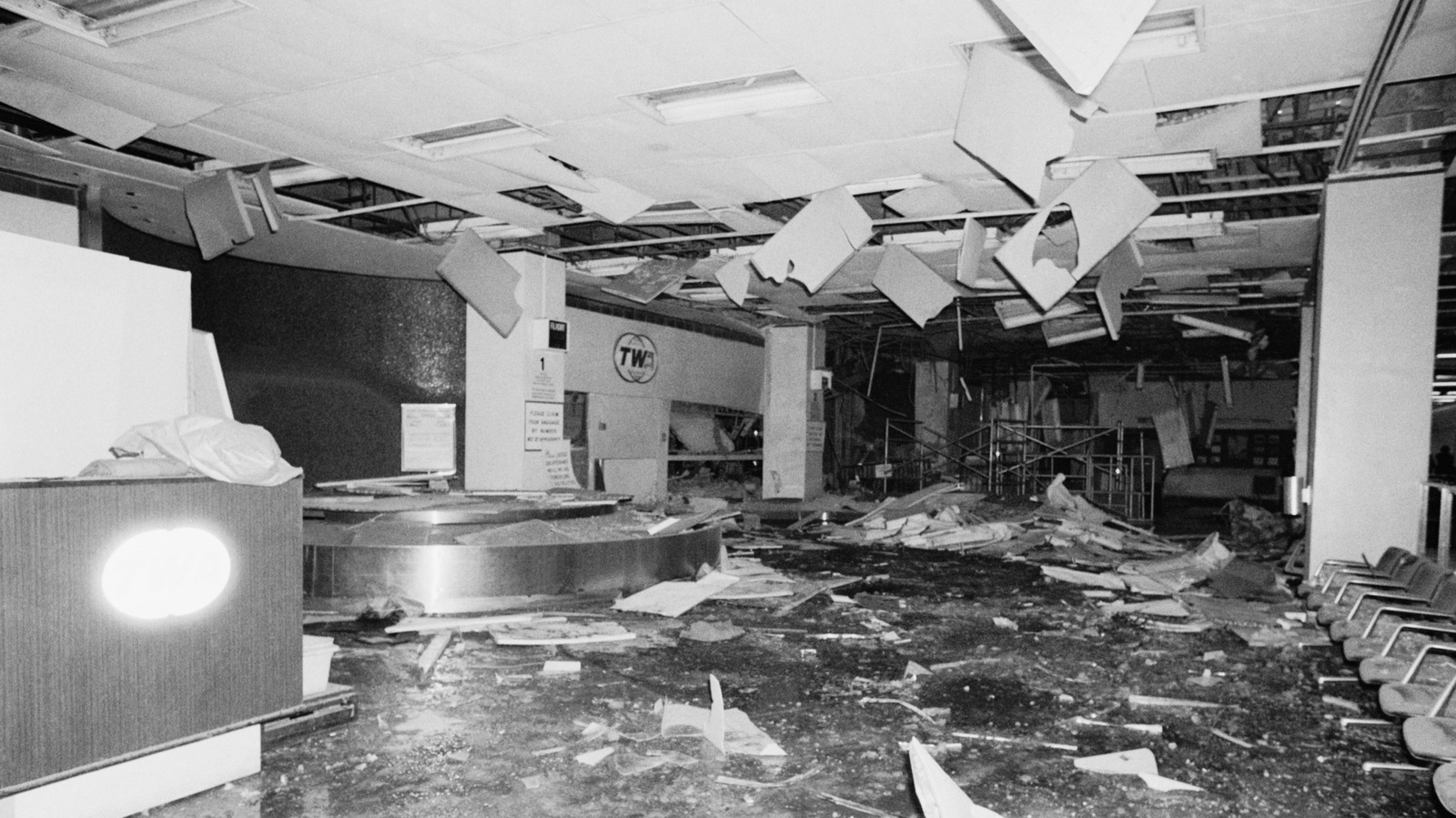
There’s so much happening these days, it’s almost impossible to keep up. But before high-speed internet became ubiquitous, things really did feel like they moved at a slower pace. Americans got their news from the same newspapers, watched the same nightly TV anchors, and actually had time to talk about current events before the news cycle moved on. So you’d think the 1975 explosion in LaGuardia Airport that killed 11 people and injured another 75 would be something millennials and older generations would know plenty about. Instead, as this recent Slate article highlights, it’s a bombing that’s largely been forgotten.
I’d certainly never heard about LaGuardia getting bombed before I read the article. Part of that’s probably due to me being negative 13 years old when it happened and New York City being a long way from Watkinsville, Georgia. And yet, I still learned about plenty of other events that happened before I was born. From the racists who blew up Birmingham’s 16th Street Baptist Church in 1963 to the Unabomber, I thought I knew a good bit. But as the Slate article makes clear, I’m far from the only fully grown adult in this country who never learned that someone set off a bomb inside Laguardia on Dec. 29, 1975. Odds are, you didn’t know about it, either.
Despite being known as “one of the greatest cold cases of the 20th century,” with no deadlier terrorist attack taking place in the U.S. until the Oklahoma City Bombing in 1995, even the survivors reportedly feel forgotten. They didn’t take Slate phone calls seriously at first:
In an effort to reconstruct the story of what happened that winter night, I’ve spoken to people close to the event, including survivors, family members of victims, and investigators. No one had contacted them about the bombing for decades, including the investigating agencies. When I began leaving messages for them, one survivor wondered if the phone call was a prank.
Like 25 sticks of dynamite going off
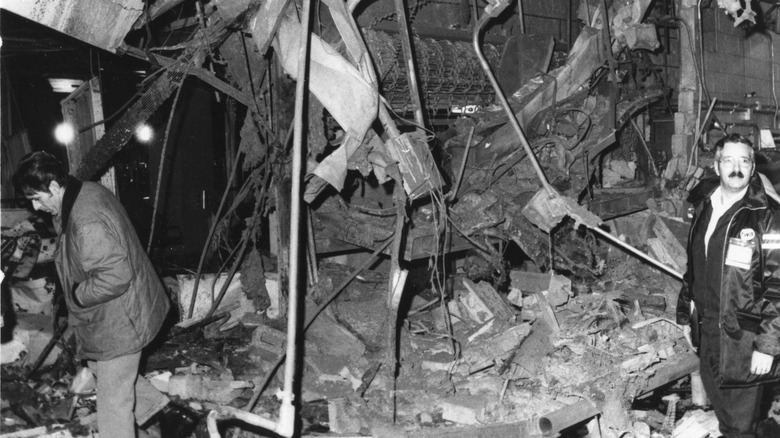
As Slate points out, America definitely didn’t move on because the explosion was small or failed to make the news at the time:
The explosion was immense, commensurate in intensity with 25 sticks of dynamite. It was as if a twister had hit the terminal. A 12-foot-wide hole was torn in the 8-inch-thick concrete ceiling. A football field’s length of plateglass windows were blown out. Pieces of red lockers littered the parking lot. Water geysered from the busted pipes.
All told, an estimated 75 people were injured, and 11—including Stamey, Patterson, Bull, and Musicaro—died as a result of the blast. The violence was such that, within minutes, 175 pints of blood were immediately shipped to city hospitals from the bank on Amsterdam Avenue. Corpses sat on-site in pine boxes before transport to the medical examiner’s office. There was an account of a human head resting on a window ledge, and puddles of blood soaking the island next to the parking lot. “The explosion ripped upwards and outwards,” reported CBS News’ Ike Pappas the next evening, with the deceased “caught in the crossfire of glass and metal that sheared off limbs and tore through bodies.”
It was, recalled the EMS dispatcher on duty that night in Queens, “a horror.”
The only deadlier terrorist attack on U.S. soil that decade is believed to be the 1973 arson attack at the UpStairs Lounge, a New Orleans gay bar where 32 people died, and 15 were injured. At the time, questions about whether the fire was set intentionally or not helped keep what’s now considered an arson in the news. The LaGuardia bombing was, or at least should have been, a big deal that people continued to talk about through the 1980s and even the ’90s.
Even NYC has moved on
While a few of the people who survived the LaGuardia bombing are still alive, no one was ever charged in connection with the attack. And that’s despite a massive investigation that involved the FBI tasking 120 investigators with interviewing more than 5,000 individuals and looking into leads in 38 states. Several groups were suspected of being involved in the bombing, but after two years without a big arrest, the FBI moved on, assigning all but a handful of investigators to other cases. It certainly didn’t help that NYC’s David Berkowitz, otherwise known as Son of Sam, began killing people about the same time, and tracking him down took its own massive investigation.
You’d think the city itself would have done more to remember the LaGuardia bombing. Or that you’d be able to watch a documentary about it. As the author of the Slate article learned, NYC has essentially moved on, just like the rest of the country:
In the years since, reporters have occasionally revisited the bombing, often assisted by [now-former NYPD deputy chief] Edwin Dreher. (Dreher, who died not long ago, was haunted by the case and took the file home upon his retirement in 1983.) But these scattered stories are the exceptions. Even in our true-crime-saturated culture, the story of the bombing of LaGuardia Airport remains little-known. There’s nothing about it in New York City’s municipal archives or the stacks of the Queens Historical Society. Near as I can tell, the bombing has not been the subject of a book or documentary. It says something about the degree to which it’s been forgotten that when I began contacting people connected to the event in the lead-up to the 50th anniversary, they all were surprised to hear from a reporter.
Officially, the case remains open, and barring a deathbed confession from the perpetrator, it doesn’t sound like we’ll ever know who set off the bomb or why. The case went cold fast, and the terrorist responsible may not even be alive. At the very least, we owe it to the people whose lives were forever changed by the explosion to remember what happened. It’s possible that renewed interest in the case could cause someone to finally come forward with information that lets us finally lay the mystery to rest. It isn’t likely, but it isn’t impossible, either.
There’s also much more to the original article, so head over to Slate to give the entire thing a read. It’s long, but it’s more than worth it. I promise.

