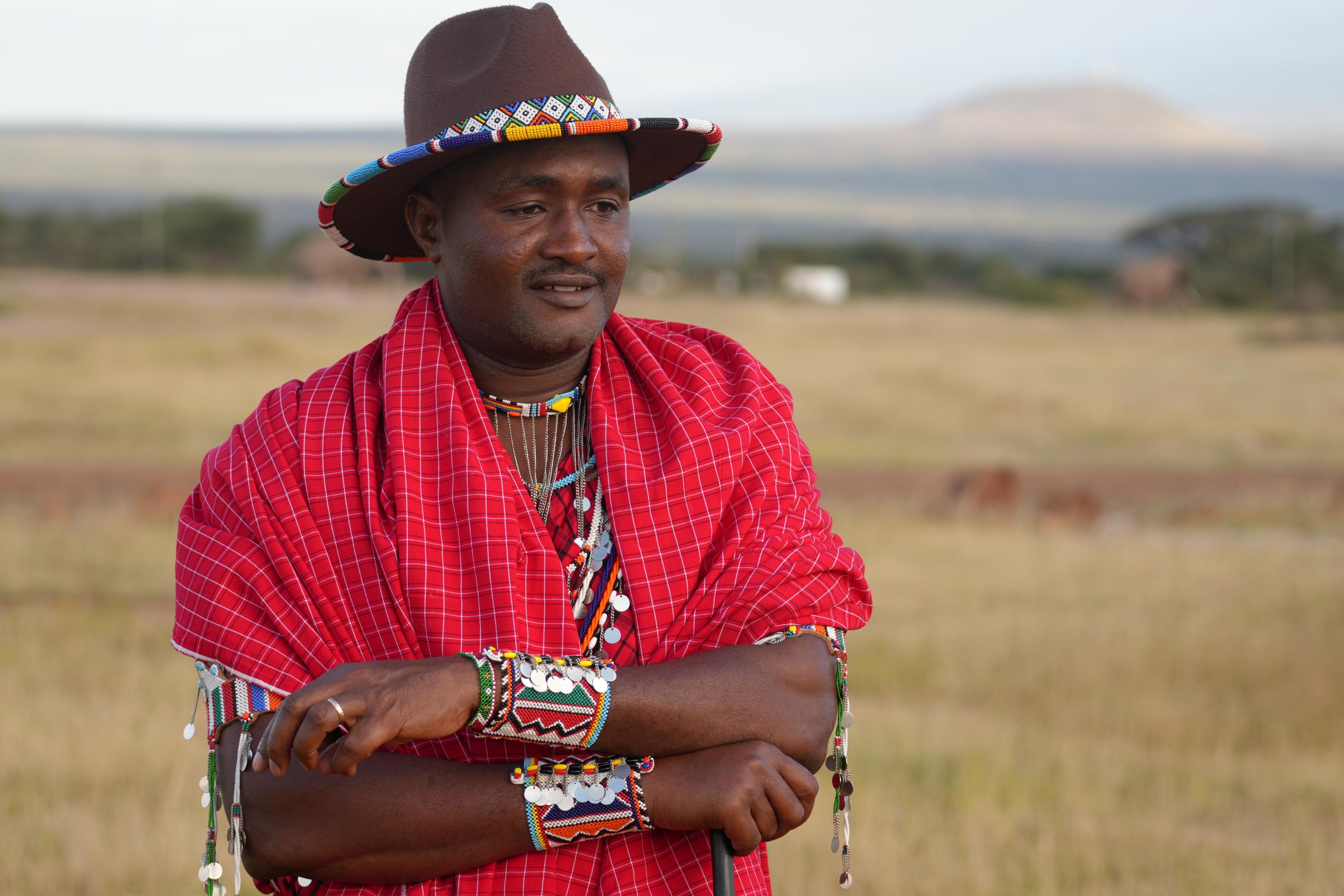
Benson Leyian grew up in a Maasai community in the shadow of Kenya’s Kilimanjaro, roaming the same grasslands he now works to protect as CEO of Big Life Foundation.
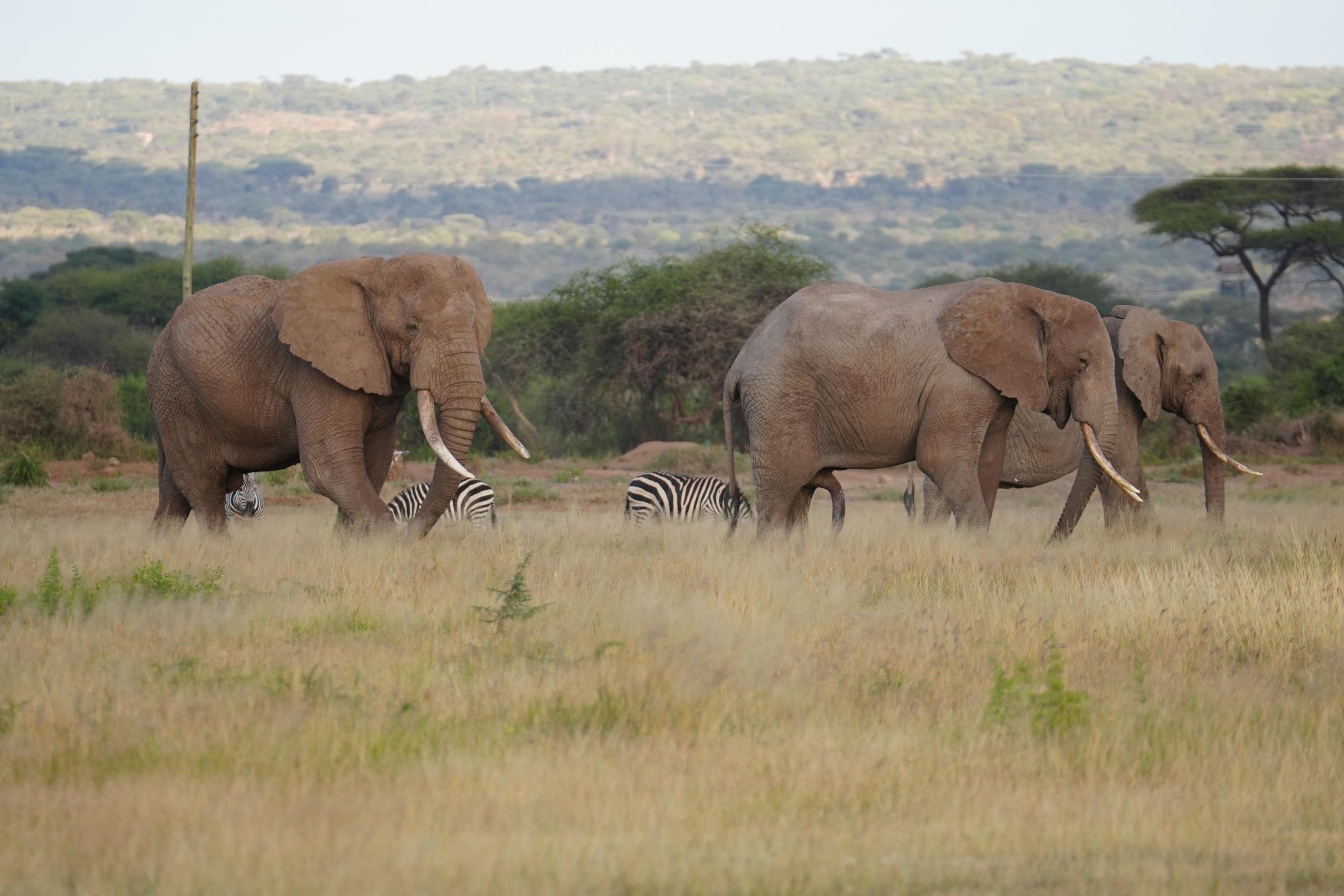
We caught up with him outside the world-famous Amboseli National Park, with a herd of elephants grazing just behind him — part of a landscape that Conservation International and Big Life Foundation are working together to protect — and asked how a boy who once ran from a lion hunt became the man working today to save the savanna.
How does it feel to stand in this spot with elephants grazing behind you?
Benson Leyian: There is a story here that speaks right to my heart. This is a corridor where elephants and lions and all of this wildlife have sanctuary to move into the Chyulu Hills and beyond, into Tanzania. Animals don’t stay inside park boundaries. They follow the rain, the grass, whatever the season is asking of them. And for them to do that, this space has to stay open. That is what Big Life and Conservation International are doing, together.
Are wildlife corridors disappearing here?
BL: The corridor where we are standing is 45 meters wide at its narrowest point. If a few fences go up, or a few decisions by a handful of landowners change, it will be gone. That pressure is not from bad people. It is from a system that is changing very fast. These lands were once held communally by Maasai people — one title, shared decision-making, no fences. That is now being broken into thousands of individual parcels through a process called subdivision. Each person now owns their piece, and each person has the right to do what they want with it. You can understand why. People need income. People need a future for their children. But if that land gets fenced, if it gets converted to agriculture, the corridor disappears and with it the entire ecosystem. We must ensure that keeping this land open is worth more to people than closing it. That happens through tourism; through herding that keeps the land open for wildlife and exploring the potential income from the carbon stored in these grasslands.
You were expected to become a Moran — a warrior — before you chose a different path. How does that story connect to what you do now?
BL: As a young man, I lived a double life — going to school but also practicing everything that came with being a Moran. One day, I followed a group of Moran into the Chyulus on a lion hunt. When I got there, the lion had already attacked one of the men and opened up his collarbone. I left my belongings right there, and I walked home. In the eyes of my community, I had failed the test that makes a boy a man. A Moran faces the lion. That is what the years of initiation, the red ochre, the long hair, all of it is building toward — that moment of courage. And I ran.
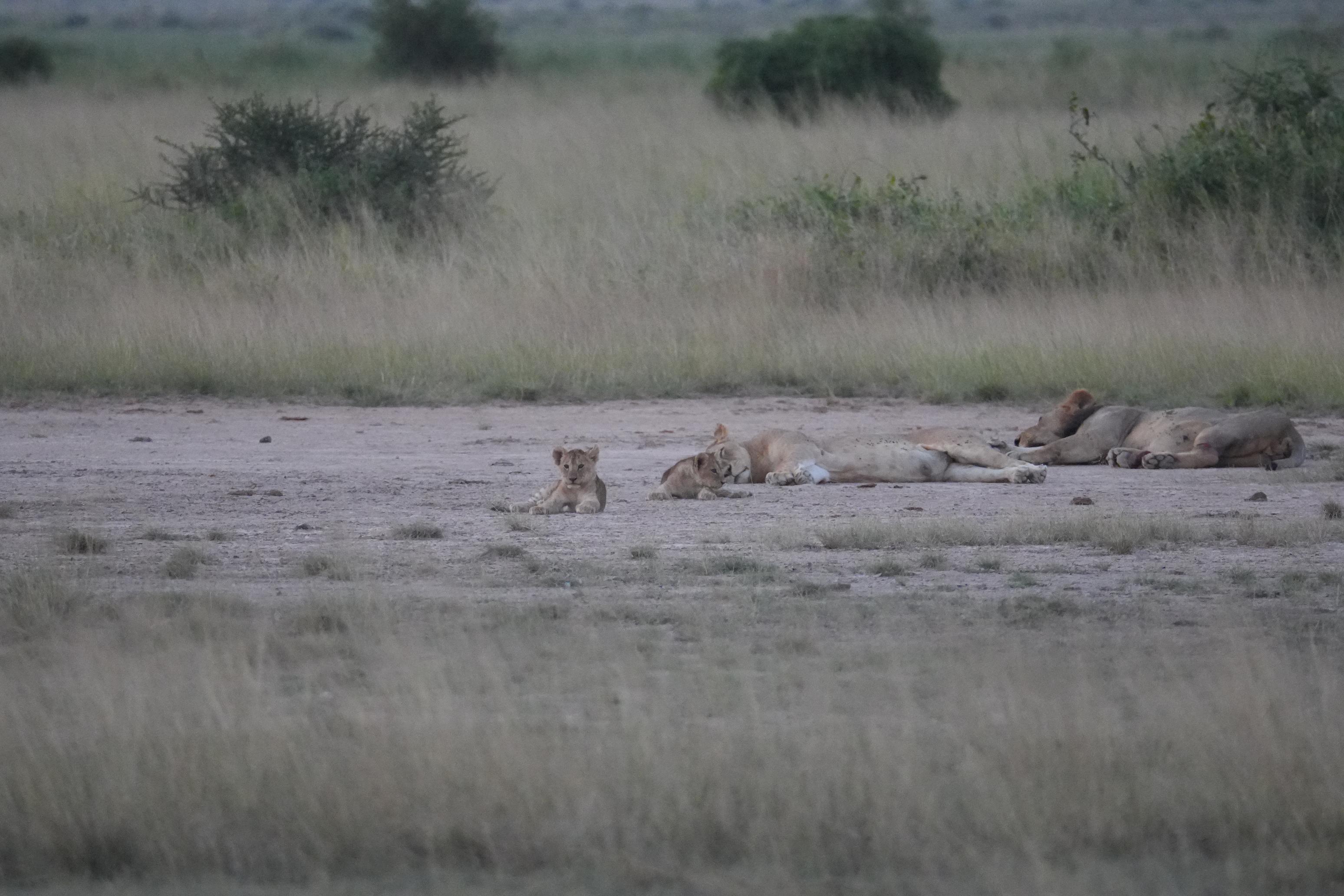
But here is what I understood even then, and what I understand more deeply now: the Moran’s entire purpose was to protect. The community, the cattle, the land. If you can face a lion, you can face anything that comes. That has not changed. What has changed is the nature of the threat and the nature of the tools. People are no longer talking about spears, we’re talking about climate change; about the loss of the land that we need to thrive. So, the lion — the lion is no longer something we hunt. The lion is something we protect, because the lion, the elephant, this open grassland, they are what give this place its future. That shift, from hunting to protecting the very thing you once hunted, is the story of how this landscape survives.
What do you hope for the future of this landscape?
BL: I hope my son, and his son, will be able to see this elephant. Not only my son, but children everywhere. Elephants cannot become fiction. That is why I am here.