


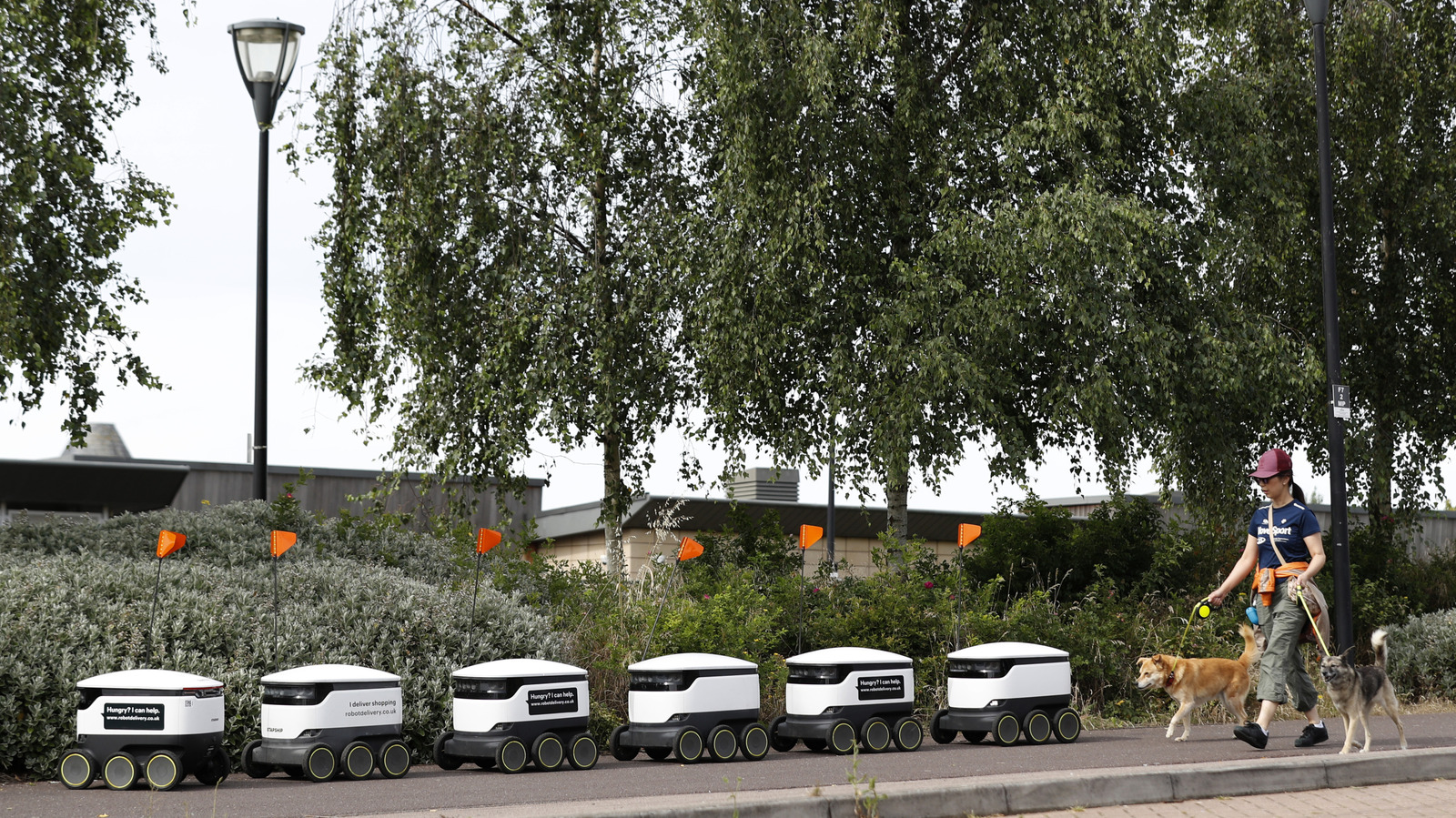
When Starship Technologies first deployed its delivery robots at George Mason University in 2019, it hoped to win hearts, minds and stomachs on campuses across the United States. The small, flag-toting carriers completed their rounds while occasionally causing chaos. The company announced earlier this month that it will be ending its campus operations. Starship was offering deliveries at over 60 campuses. The startup stated that its 1,200-robot fleet will be redeployed to cities.
Poor little guy just wanted to deliver food to people 🙁
Source: https://t.co/uTZ3W1DcDx#robotics #fail pic.twitter.com/17aZ5F2w2x
— WeeklyRobotics (@WeeklyRobotics) March 3, 2022
Starship’s college invasion first caught my attention in 2022, when one of its robots was absolutely obliterated by a freight train on the campus of Oregon State University. The footage of the incident was so startling that I couldn’t help but burst out laughing. Despite clogging sidewalks and blocking intersections, Starship is spinning the withdrawal as the company “shifting its strategic focus” after using campuses essentially as testing ranges. Starship CEO Ahti Heinla said:
“We built something remarkable on US campuses, and we’re proud of that work. When we started in 2018, operating in closed, controlled environments was the right foundation: it gave us the operational depth and real-world delivery data that no lab could provide. Now we can operate reliably at scale in open urban environments, which is exactly what grocery delivery demands.”
Starship think there’s a profitable future in cities
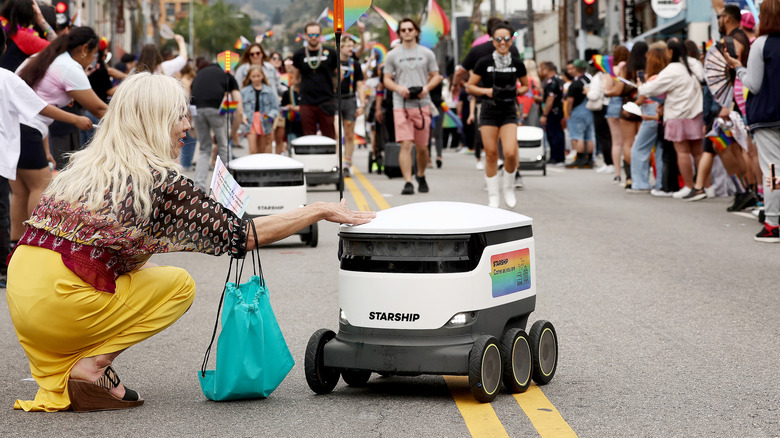
What next for Starship? The company is shifting to grocery and hot food delivery. Citing its 20% market penetration in its home market of Finland, Starship is promising 10x growth just over the next two years along with soon-to-be-announced partnerships with American retailers. The company also claims that its deliveries cost up to $4 less than those by human couriers. If that’s the case, why couldn’t Starship produce more robots for its expansion instead of ending campus operations? Something just doesn’t add up and it might be the balance sheet.
If Starship is to be believed, 97% of students said they liked the service in a survey last year. However, the sentiment doesn’t translate to how the general public treats other autonomous vehicles. From Boston to Los Angeles, Waymo has faced stiff resistance from the local population. Not to mention the time Philadelphia destroyed a robot hitchhiking around the world. Starship’s adorable robots could be entering a forever war against a hostile American populace.

