


New research facility signals shift from policy development to operational readiness
The Federal Aviation Administration is taking another step toward integrating advanced air mobility (AAM) into the National Airspace System (NAS), breaking ground this week on a dedicated research facility designed to study how the next generation of vertical flight aircraft will safely operate alongside existing aviation.
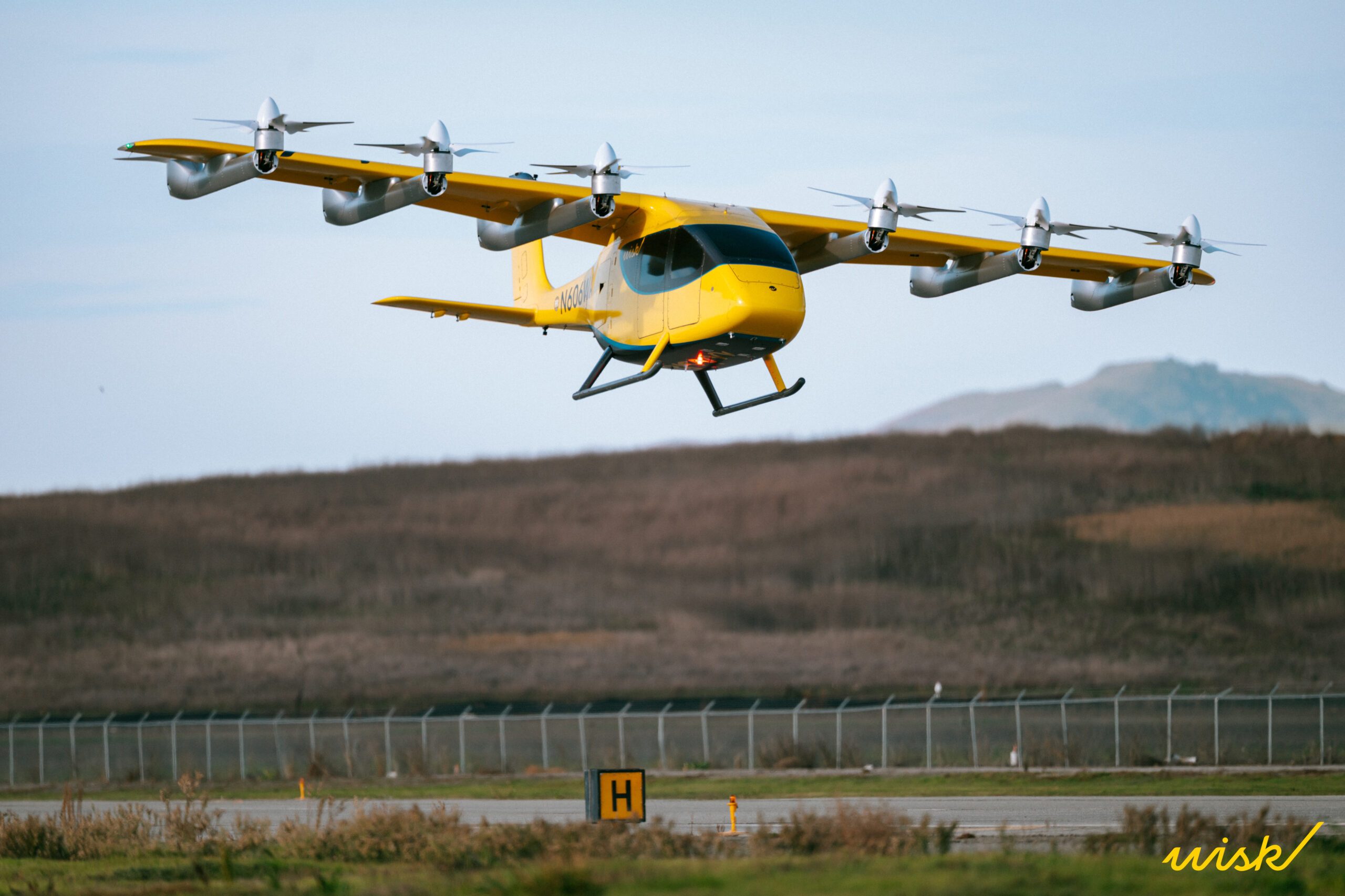
The new Vertical Take-Off and Landing Procedures and Analysis Range (V-PAR) will be built at the FAA’s Mike Monroney Aeronautical Center in Oklahoma City. The approximately $8.3 million facility will include a vertiport, hangar, control center, and research space dedicated to evaluating the operational challenges associated with powered-lift aircraft, including electric and hybrid-electric vertical takeoff and landing (eVTOL) aircraft.
While the announcement centers on advanced air mobility rather than conventional drones, it reflects a broader shift in the FAA’s approach. After years of developing concepts, pilot programs, and planning documents, the agency is investing in permanent infrastructure to support the research needed for routine operations.
From Concepts to Operations
According to the FAA, researchers at V-PAR will study issues including wake separation, downwash and outwash effects, radio frequency interference, vertiport operations, and operational training. These are among the practical questions that must be addressed before large-scale commercial AAM operations can become commonplace.
The facility represents more than another research project. It demonstrates that the FAA expects advanced air mobility to transition from demonstration programs into an operational component of the nation’s aviation system.
The groundbreaking also aligns with several recent federal initiatives aimed at preparing the National Airspace System for emerging aircraft. Over the past several months, the U.S. Department of Transportation and FAA have announced the Advanced Air Mobility Integration Pilot Program, unveiled the SMART initiative to modernize airspace management, and continued investments in NextGen technologies. Together, those efforts suggest an increasing focus on building the infrastructure needed to support future aviation.
Transportation Secretary Sean P. Duffy called the facility “an investment in the future of American aviation,” saying it will help ensure the United States remains a global leader in aerospace innovation.
Acting FAA Administrator Chris Rocheleau said the research conducted at the site will help develop the procedures and operational knowledge needed to safely integrate new aircraft into the National Airspace System.
Why It Matters Beyond AAM
Although V-PAR is designed specifically for powered-lift aircraft rather than traditional unmanned aircraft systems, many of the operational questions being studied extend beyond passenger-carrying eVTOL vehicles.
Research into communications, airspace procedures, radio frequency performance, and aircraft separation contributes to the broader framework needed to integrate increasingly autonomous aircraft into shared airspace. As commercial drone operations continue to expand, particularly beyond visual line of sight (BVLOS), many of the lessons learned through AAM research may help inform future operational standards across the unmanned aviation ecosystem.
The facility represents another indication that federal investment is moving beyond policy development and into the practical work of preparing the National Airspace System for next-generation aircraft.
For an industry that has spent years discussing future operations, the FAA is now beginning to build the places where those operations can be tested, refined, and eventually standardized. While V-PAR is focused on powered-lift aircraft, the communications, separation standards, infrastructure, and operational procedures it will study are relevant across much of the evolving unmanned aviation ecosystem. The investment signals that the FAA expects advanced air mobility to become an enduring part of the National Airspace System rather than a limited demonstration effort.
Read more:

Miriam McNabb is the Editor-in-Chief of DRONELIFE and CEO of JobForDrones, a professional drone services marketplace, and a fascinated observer of the emerging drone industry and the regulatory environment for drones. Miriam has penned over 3,000 articles focused on the commercial drone space and is an international speaker and recognized figure in the industry. Miriam has a degree from the University of Chicago and over 20 years of experience in high tech sales and marketing for new technologies.
For drone industry consulting or writing, Email Miriam.
TWITTER:@spaldingbarker
Subscribe to DroneLife here.

