


The advice
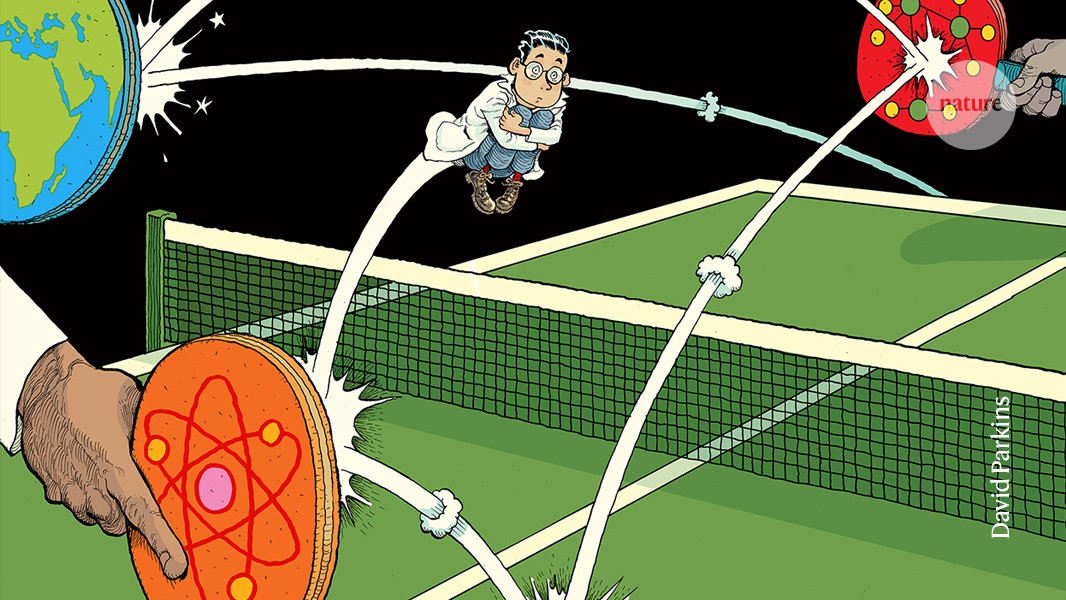
For some, the path to obtaining a PhD is straightforward: they stick to the major that they studied as part of their bachelor’s or master’s degree and deepen their research. Others have less direct journeys for many reasons, including switching their focus or moving countries. Both routes have pros and cons and it’s hard to say which is ‘better’ or ‘more normal’.
Students in China face intense competition for admission to bachelor’s and master’s courses, so some end up being assigned to majors that they did not plan to study initially, as has happened to you.
“That is why it is extremely important for students to learn to use the resources around them to help them get used to the environment and adjust expectations,” says Ding Zijing, a fluid-dynamics researcher at Harbin Institute of Technology in Harbin, China.
Although you might feel out of place and struggle to see the way forwards, you are not alone. Many academics have experienced similar transitions or have taught students facing those challenges. Nature spoke to Ding and four others to help you overcome your obstacles.
Don’t panic
The first thing you need to do is to stop panicking. It is common for researchers to feel unsettled when they move disciplines because they need to learn a range of skills, says Zhao Yuxin, a smart-sensor researcher at the China National Petroleum Corporation Tubular Goods Research Institute in Xi’an.
“That kind of discomfort can be real, but it is not a sign of failure,” Zhao notes.
An ‘agony aunt’ for working scientists
It is important that you have a clear plan. A PhD lasts at least three years in China. In the first year, your focus should be on learning professional knowledge through classes to lay a foundation for your research, not establishing a research direction, says Zheng Saina, an environmental-policy researcher at Southeast University in Nanjing, China. PhD students typically choose their research directions in their second year, she explains.
Lu Huayu, a geographer at Nanjing University in China, has taught PhD students who switched to physical geography from various majors, ranging from computer science to physics, and has seen situations similar to yours. You should try to stay positive about your studies, he says, instead of worrying about failing to graduate right off the starting line. Earning a PhD is a marathon, not a sprint, he says.

