


Those of us who already owned EVs when this Republican-led war with Iran made gas expensive had to feel pretty good about paying $0.07/kWh at home, while everyone else freaked out over $4, $5, and even $6 gas. Still, I’ve tried not to be a jerk about it because higher energy costs lead to higher transportation costs and then higher overall costs. Even worse, gas isn’t the only thing petroleum’s used for, and we all know what happens to cost when supply disappears. If you don’t, allow me to introduce you to this Washington Post article titled “Inflation heats up to highest pace in three years, fueled by Iran war.”
Unfortunately for those of us not currently in possession of enough Benjamins to fill a swimming pool, even if you drive an EV, the war that made gas expensive is making everything else expensive too. Per data provided by the Labor Department’s consumer price index, inflation has risen to 4.2% through May, up from 3.8% in April. Why? WaPo says that’s due to “higher energy prices again accounting for much of the monthly gain.” The report went further, adding:
Gas prices, which have surged roughly 50 percent since January as the Iran conflict disrupts oil flows through the Strait of Hormuz, rose 7.0 percent in May. The reading marks the third consecutive month in which the conflict has measurably pushed prices higher for American consumers.
Now, the worst parts of the war still take place on the other side of the world, and it’s easier to compartmentalize the horrors when the missiles aren’t killing our children. Still, there’s no avoiding the consequences of war, even here in the U.S., and for now that means we’re paying higher prices for a lot of the goods we buy.
That’s not some lefty take printed in some leftist antifa zine, either. No, we’re talking about the the Jeff Bezos-owned, Mamdani-hating Washington Post that recently called for more data centers. Regardless of the source, though, when you look at the numbers provided by Labor Department’s consumer price index, they’re headed in the “more expensive” direction.
Gotta pay the piper
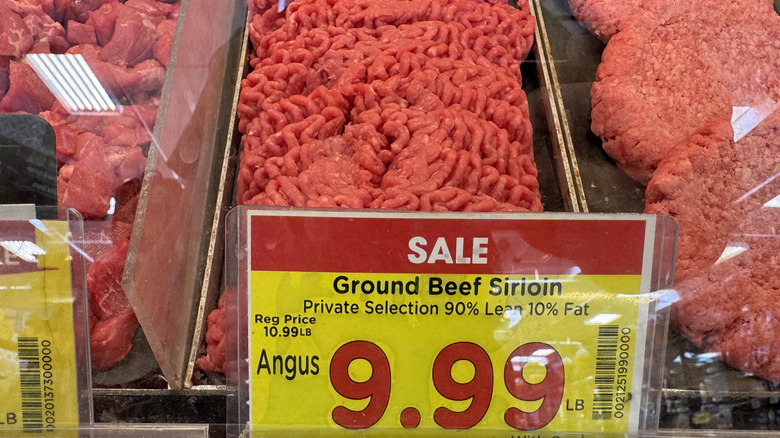
Need to travel, but gas is already too expensive? Well, airfares are up 27.6% Love a good, old-fashioned cheeseburger? Well, beef prices were up 10%, tomatoes are 32% more expensive, and lettuce is up 25%. So your back yard cookout is already less affordable than it was. Oh, and let’s not forget that data comes from before we learned the flesh-eating maggots that devour cows alive had made it back to the U.S. Thanks for that one, Elon!
Since the prices on some goods are inherently less stable than others, stripping out food, energy, and other more variable categories gives us an underlying inflation figure of 2.9%. Personally, I’d much rather pay 2.9% interest on a loan than 4.2%, but unfortunately for me, I still need life’s basic necessities, like food and fuel and a 2026 Honda CB1000F. Allegedly, that 2.9% underlying rate is about what economists expected to see, but that still doesn’t mean it’s all rainbows and unicorns out there. Per WaPo:
The reading marks the first time inflation has reached 4 percent or more since May 2023 — a span in which prices had been retreating from their pandemic-era peak of above 9 percent, the highest in nearly 40 years, without ever returning to where they were before covid.
Consumers were already frustrated with inflation. Consumer sentiment reached a new record low this Spring, according to the most recent University of Michigan survey of consumers. In 2024, President Trump was elected in part, because many voters said they were frustrated with the economy, and particularly ongoing inflation.
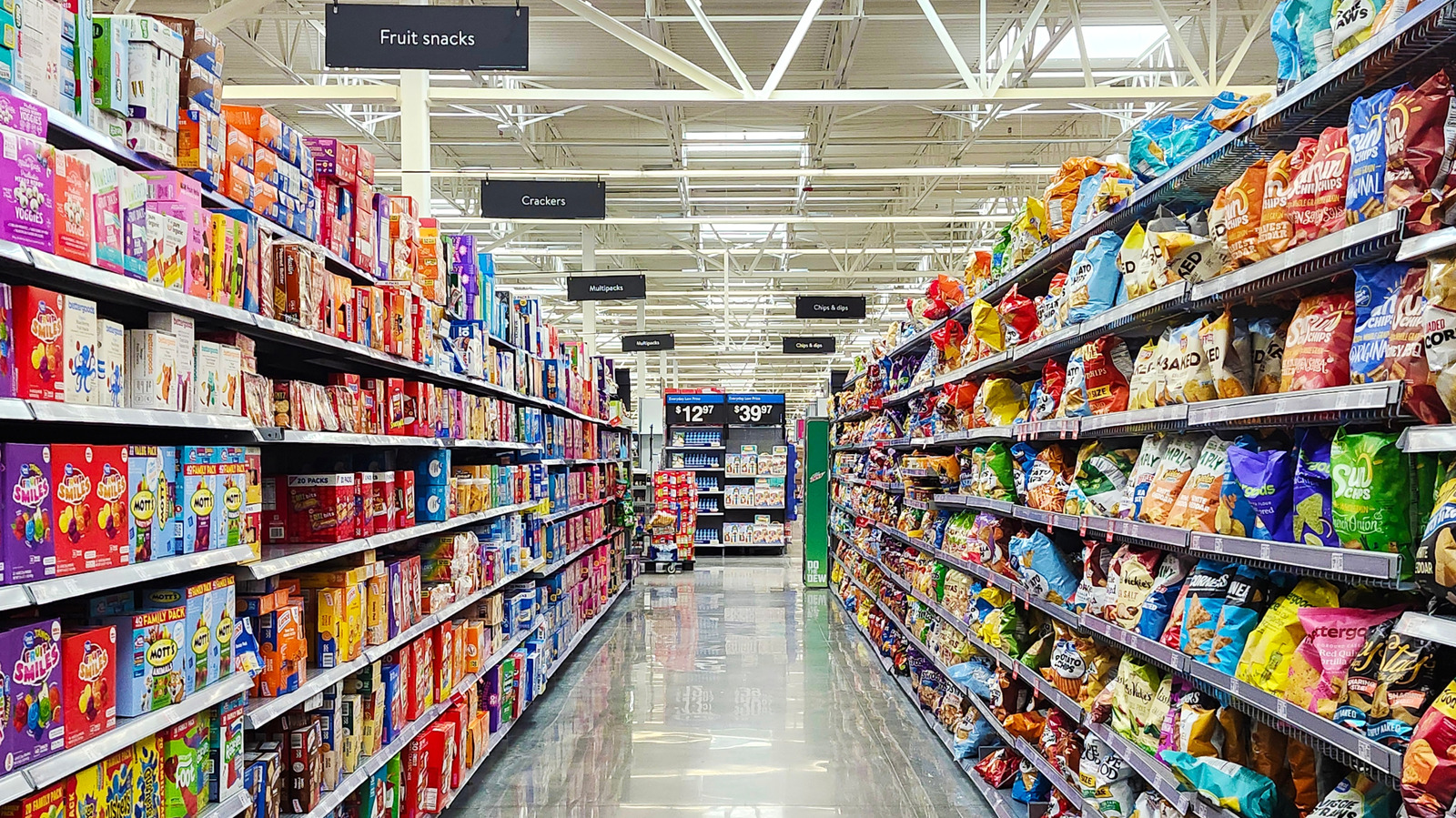
The pain is showing up at the checkout line. Energy costs and tariffs are pushing grocery bills higher, with fresh produce and beef recording among the sharpest increases — and there is little sign of relief in the near term. Services inflation, which includes shelter costs and is insulated from tariffs on goods and energy prices, also is running consistently above 3 percent, a sign that price pressures involve more than the obvious culprits.
I’m no signs expert, but I’m pretty sure those signs are the bad ones.
Who needs cheap electricity anyway?
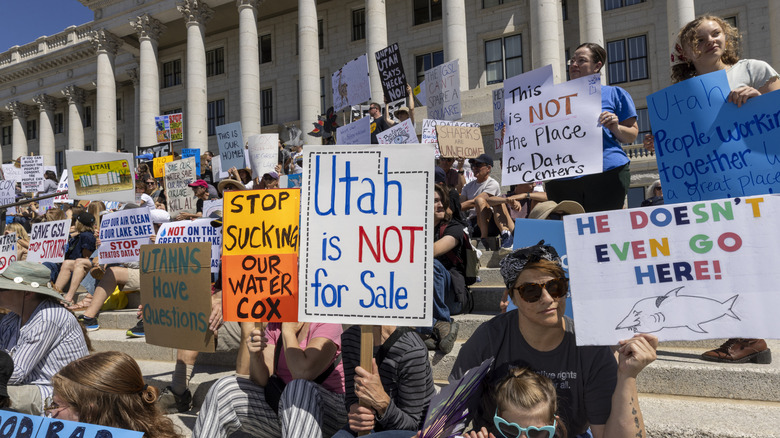
Clumsily flipping a switch that essentially cut off the flow of oil through the Strait of Hormuz was always going to make gas and other petroleum products more expensive, but Republicans cheering on a war that’s made gas expensive aren’t the only reason energy costs in the U.S. keep rising. The mad rush to replicate what SpaceX has done to one of the poorest parts of Memphis all over the country has already made electricity pricier and turned most people against energy-hungry data centers. Despite strong resistance, local governments remain happy to sell out their residents in exchange for a loud Walmart full of computers that cause all sorts of heart and lung conditions. Per the WaPo:
Analysts say that the construction boom for AI data centers is generating its own inflationary pressure, driving up prices for semiconductors and consumer electronics in ways that could linger well into next year. “What we are seeing is three distinct inflation waves — from tariffs, from oil and now AI capex — layered on top of each other,” said Krishna Guha of Evercore ISI, in a research note this week.
It gets worse when you remember the Brookings Institute, a center-right think tank, just released its latest affordability study, and found that in 2024, “45.5% of U.S. households did not earn enough to make ends meet.” What’s more concerning is that in nearly every year since 2014, at least 40% of households have been fighting to stretch what they have until the end of the month. The only time that wasn’t the case was during the pandemic, when increased federal spending finally gave those families a little room to breathe financially.
Sadly, Brookings didn’t have access look at any post-’24 data in this report, but nothing we’ve seen since 2024 would suggest fewer households struggle to afford basic necessities. How much worse it is now is probably a more important question than whether or not it’s gotten worse. But if you’re a couple of DINKs who both earn six figures, maybe these stats will help you understand why so many others are worried about gas costing $60 more per week or home energy prices going up.

