


Plant materials
The mutants nir2-1, nir2-2, gln2, gln3, gln4, gln5 and gln6 seeds were obtained from the mutant library (http://maizeems.qlnu.edu.cn/) and generated in the WT (B73 background). The ZmNIR2T1OE and ZmNIR2T2OE overexpression lines were generated in the WT (B73 background). The mutants nir1 and gln1 were created by Center for Crop Functional Genomics and Molecular Breeding of China Agricultural University and generated in the WT (ND101 background). The inbred lines and teosinte accessions were propagated by our own research team. The ZmNIR2T1OE-12 and ZmNIR2T1OE-25 overexpression lines were generated in the WT (YH7 background). All the maize genetic variants were grown in the experimental fields in Wenjiang, Sichuan Province (30.7° N, 103.8° E), Sanya, Hainan Province (18.2° N, 109.3° E) and Harbin, Heilongjiang Province (44.0° N, 125.4° E). Genomic accession numbers for the genes studied are ZmNIR1 (Zm00001eb255880), ZmNIR2 (Zm00001eb193660), ZmGLN1 (Zm00001eb432580), ZmGLN2 (Zm00001eb054990), ZmGLN3 (Zm00001eb399860), ZmGLN4 (Zm00001eb253820), ZmGLN5 (Zm00001eb190340) and ZmGLN6 (Zm00001eb009090).
Plant-growth conditions
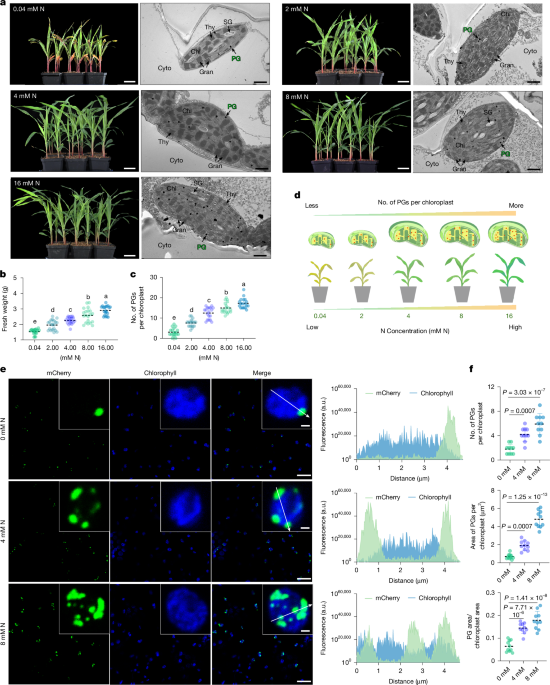
Maize seeds were disinfected with 75% ethanol for 3 min, followed by four rinses with deionized water. Disinfected seeds were then soaked in saturated calcium sulfate solution for 5 h and subsequently placed on moist absorbent paper in a dark, humid environment at 28 °C to induce germination. After germination, seedlings were transferred to vermiculite and cultivated in a growth chamber with a 16-h light/8-h dark photoperiod at 28°C during the light periods and 22°C during the dark period. The relative humidity was 60% and the white-light illumination was 350 μmol m−2 s−1. Maize seedlings were cultivated in deionized water until they developed a single true leaf and a coleoptile, after which the seed coat and endosperm were removed. Plants were then treated with modified Hoagland nutrient solution containing varying concentrations of nitrogen (KCl: 0 mM N; LN: 0.04 mM N; NN: 4 mM N; HN: 8 mM N) for 11 days, after which physiological indices were measured.
Tobacco seeds were grown in a 1.5:1 mixture of vermiculite and substrate for 2 weeks. Subsequently, the seedlings were treated with modified Hoagland nutrient solution containing two nitrogen concentrations for 15 days, after which physiological indices were measured. The cultivation took place in a growth chamber with a 14 h light/10 h dark photoperiod (28 °C day/22 °C night), 60% relative humidity and 200 μmol m−2 s−1 white-light intensity.
Wheat seeds were soaked in deionized water at 4 °C for 12 h, then were placed in a dark environment at room temperature for 1 day. After germination, the seedlings were transferred to vermiculite and cultivated in a growth chamber with a 12 h light/12 h dark photoperiod (28 °C day/22 °C night), 50% relative humidity and 300 μmol m−2 s−1 white-light intensity. The plants were then treated with modified Hoagland nutrient solution containing two nitrogen concentrations for 11 days, after which physiological indices were measured.
Rice seeds were soaked in 0.5% hydrogen peroxide at 37 °C in darkness for 24 h, then transferred to deionized water for immersion until germination occurred, after which the seedlings were moved to a hydroponic cultivation system. The seedlings were transferred to vermiculite and cultivated in a growth chamber with a 12 h light/12 h dark photoperiod (25 °C day/20 °C night), 50% relative humidity, and 350 μmol m−2 s−1 white-light intensity. The plants were then treated with modified Hoagland nutrient solution containing two nitrogen concentrations for 21 days, after which physiological indices were measured.
Soybean seeds were surface-sterilized with 5% sodium hypochlorite for 10 min, followed by three rinses with distilled water. The sterilized seeds were germinated in a greenhouse using a 1.5:1 mixture of vermiculite and substrate. At the V1 stage, uniform and healthy seedlings were selected and transplanted into pots containing an autoclaved 1.5:1 mixture of vermiculite and substrate. The seedlings were transferred to vermiculite and cultivated in a growth chamber with a 16 h light/8 h dark photoperiod (25 °C day/22 °C night), 70% relative humidity and 300 μmol m−2 s−1 white-light intensity. Thereafter, plants were divided into groups and regularly supplied with the modified Hoagland nutrient solution prepared with two nitrogen concentrations. After 19 days of treatment, plant materials were harvested for subsequent physiological and biochemical analyses.
Transient expression in tobacco leaves
Transient expression assays were performed in Nicotiana benthamiana L. leaves by infiltrating with Agrobacterium tumefaciens (GV3101) harbouring the specified constructs. Following infiltration, plants were cultivated under white light (200 μmol m−2 s−1) for 48 h before analysis. To express plant proteins in tobacco leaves, pCAMBIA3100-eGFP and pCAMBIA2300-mCherry plasmids were used as the expression vectors. Except for the coding sequence of the PG-marker PSY3, which was cloned into KpnI/BamHI sites of pCAMBIA2300-mCherry, all other coding sequences for subcellular localization observation (including the full-length and various truncated versions of ZmNIRs, ZmGLNs and others) were inserted into pCAMBIA3100-eGFP using the same restriction sites. Gene sequence alignment was performed using SnapGene v6.0.2.
Confocal microscopy
Inverted confocal laser scanning microscopes (Olympus FV3000-IX83 and Carl Zeiss LSM800) were used to image plant cells. For multiple-channel detection, GFP, mCherry and chlorophyll were excited at 488 nm, 543 nm and 633 nm, and were detected at 490–525 nm, 565–593 nm and 650-695 nm, respectively. Fluorescence intensity analysis was carried out using Fiji-ImageJ software. For microscopy data, observations were made from at least 10 cells from three independently transformed tobacco leaves.
Electron microscopy imaging
Samples were pre-fixed and then post-fixed with 1% osmium tetroxide. Fixed samples then underwent gradual dehydration in acetone at increasing concentrations: 30%, 50%, 70%, 80%, 90%, 95% and 100%, with three exchanges at 100%. Sequential infiltration with Epon-812 embedding resin was then performed at ratios of 3:1, 1:1 and 1:3 (dehydrant to resin). Complete embedding was performed in pure Epon-812 resin. Ultrathin sections of 60–90 nm were prepared using an ultramicrotome and collected onto copper grids. Sections were stained with uranyl acetate for 10–15 min, followed by lead citrate staining for 1–2 min at room temperature. Images of the copper grids were acquired using a JEM-1400FLASH transmission electron microscope (JEOL). The entire specimen was examined at low magnification to identify regions of interest, from which high-resolution images were subsequently captured for detailed analysis. PG number and area were quantified using ImageJ 1.51j8 software.
Isolation and purification of maize PGs
Fresh maize leaves (200 g) were homogenized 10 s in 1,200 ml chilled chloroplast isolation buffer (0.1 M HEPES-KOH, pH 7.3, 0.66 M sorbitol, 2 mM MgCl2, 2 mM MnCl2·4H2O, 4 mM Na2EDTA) using a 300 W blender connected with an autotransformer for three times. During homogenization, the sample was examined under a light microscope to ensure no detachment of BSCs. Then the homogenate was filtered through four layers of Miracloth (Millipore 475855-1R), and the filtrate was centrifuged at 1,300 × g for 7 min at 4 °C to obtain mesophyll chloroplasts. The strands were transferred to chilled thylakoid wash buffer (50 mM HEPES-KOH, pH 7.3, 5 mM MgCl2, 10 mM NaCl), then homogenized at 300 W for 30 s to remove MCs adhering to the strands. Repeated microscopic examinations were performed during this process to ensure the complete removal of MCs. The pure strands were subsequently washed repeatedly in ice-cold thylakoid washing buffer to thoroughly eliminate free mesophyll chloroplasts. Pure bundle sheath strands were homogenized repeatedly at 600 W for 30 s each time in 300 ml chilled chloroplast isolation buffer, until the complete detachment of BSCs was observed under a microscope. The homogenate was first filtered through six layers of Miracloth, followed by centrifugation at 1,300 × g for 7 min at 4 °C to obtain bundle sheath chloroplasts. Intact chloroplasts were collected by resuspending the pellet in 4 ml of medium R (50 mM HEPES-KOH, pH 8.0, 5 mM MgCl2 and protease inhibitor cocktail) containing 0.5 M sucrose. These suspensions were subsequently flash-frozen in liquid nitrogen and stored at −80 °C for at least 1 h. After passive thawing on ice, the suspensions were sonicated (3 × 5 s pulses, 200 W output). The sonicated samples were centrifuged (150,000 × g, 35 min. 4 °C), yielding yellow-pigmented PGs floating on the solution surface. The PGs layer was transferred to a new tube, gently overlaid sequentially with medium R containing 0.2 M sucrose and sucrose-free medium R and centrifuged at 380,000 × g for 60 min at 4 °C. The purified PGs were collected on the solution surface and stored at −80 °C for subsequent analysis. The purity of the isolated PG fraction was validated by immunoblotting with compartment-specific markers and SDS-PAGE fractionation (Extended Data Fig. 2).
Proteomic analysis
The PG extracts were homogenized in phenol–Tris-HCl, and the proteins were precipitated overnight at −40 °C using 0.1 M ammonium acetate in methanol. The precipitates were pelleted by centrifugation, washed sequentially with acetone and methanol, and dried. The resulting pellet was dissolved to obtain the total PG protein extract. The protein concentration was quantified using the BCA assay and normalized. The PG proteins were reprecipitated with acetone and redissolved in 50 mM NH4HCO3. Trypsin (TPCK-treated, 1 mg ml−1) was added at a 1:50 (w/w) enzyme-to-protein ratio, followed by overnight digestion at 37 °C. The digested peptides were desalted with 0.1% formic acid (FA) and eluted with 50% acetonitrile (ACN)/0.1% FA. Peptide separation was performed using nanoflow LC on a PepMap C18 reversed-phase column (75 μm × 25 cm) with a 10-min gradient (0.7 μl min−1, solvent A: 0.1% FA in H2O; solvent B: 0.1% FA in ACN). Mass spectrometry (MS) was conducted on a timsTOF HT (Bruker) in data-independent acquisition (DIA) mode. The raw DIA-MS data were processed using DIA-NN for spectral library searching and quantitative analysis against the UniProt database. Proteomic profiling and sequencing were performed by OE Biotech.
RNA extraction and RT-qPCR analysis of gene expression
Total RNA was isolated from 0.8 g leaf tissue using the OmniPlant RNA Kit (CWBIO, CW2598S). First-strand cDNA was synthesized from 1 μg total RNA using HiFiScript All-in-one RT Master Mix (CWBIO, CW3371M). Quantitative RT-PCR was performed with SuperStar Universal SYBR Master Mix (CWBIO, CW3360M) on a CFX96 Real-Time System (Bio-Rad) using CFX Manager software (v3.1.1517.0823). Each reaction was performed in triplicate, with ACTIN2 serving as the reference gene for normalization. The primer sequences are provided in Supplementary Table 2.
Immunoblot assays
Frozen maize tissue samples were ground to a fine powder in liquid nitrogen and homogenized in 2 × SDS-PAGE loading buffer (Beyotime, P0015L) supplemented with 1 mM PMSF. The homogenates were denatured at 95 °C for 10 min, and 15 μl of supernatant per lane was loaded onto a 10% SDS-polyacrylamide gel for electrophoretic separation. The proteins were then transferred onto a methanol-activated PVDF membrane (Merck Millipore, IPVH00010) using a semi-dry transfer system (20 V, 60 min). The membrane was blocked with 5% non-fat milk in TBST for 1 h at room temperature, followed by incubation with primary antibodies overnight at 4 °C. After four washes with TBST (10 min each), the membrane was incubated with HRP-conjugated secondary antibody for 1 h at room temperature. Following a final series of washes, signals were developed with ECL substrate and detected using a Tanon Chemi Dog ULTRA imaging system. The primary antibodies used in this study were as follows: anti-FLAG (1:5,000, Abclonal, AE024), anti-Actin (1:5,000, Abmart, M20009), anti-His (1:8,000, Bioss, bsm-33004M), anti-HA (1:5,000, Abmart, M20003), anti-PEPC (1:8,000, Orizyems, PAB230901), anti-RuBisCO (1:8,000, Abmart, M20043), anti-VTE1 (1:5,000, Orizyems, PAB210901), anti-TOC75 (1:5,000, Orizyems, PAB220823), anti-LHCB1 (1:8,000, Orizyems, PAB06001), anti-UGPase (1:5,000, Orizyems, PAB230718) and anti-GLN1 (1:5,000, Agrisera, AS08 296). The secondary antibodies used in this study were as follows: anti-rabbit IgG-HRP (1:10,000, Abmart, M21002L) and anti-mouse IgG-HRP (1:10,000, Abmart, M21001L).
Blue native polyacrylamide gel electrophoresis assays
The blue native polyacrylamide gel electrophoresis (BN-PAGE) assays were performed with modifications as described previously48. Briefly, 0.1 g of maize leaves was thoroughly ground in liquid nitrogen. Then 200 μl of 1× NativePAGE Sample Buffer (Invitrogen, BN2008) containing 1× protease inhibitor and 1% (w/v) n-dodecyl-β-d-maltoside (DDM, Invitrogen, BN2005) was added to the powder and homogenized. The samples were incubated on ice for 10 min to fully solubilize the proteins. It was centrifuged twice at 20,000 × g for 15 min at 4 °C to remove debris, and the supernatant was collected after each centrifugation. NativePAGE 5% G-250 Sample Additive (Invitrogen, BN2004) was added to the supernatant to a final concentration of 0.25%. After immediate mixing, the samples were loaded onto a Native PAGE 3–12% Bis-Tris Gel (Invitrogen, BN1001) for separation, then transferred to a PVDF membrane on ice using a vertical transfer system (Tanon VE 680). The target protein was detected by immunoblot analysis. For SDS-PAGE analysis of the same sample, the supernatant was mixed with 2 × SDS-PAGE loading buffer and separated on a 10% SDS-PAGE gel for detection using immunoblot assays as previously described.
IP for LC-MS/MS assays
To identify ZmNIR2-interacting proteins, we conducted IP-LC-MS/MS assays using FLAG-tagged ZmNIR2T1OE overexpression transgenic plants, with wild-type (WT) plants as negative controls. Leaf samples (1 g) were ground into powder in liquid nitrogen, homogenized in 800 μl lysis buffer (50 mM Tris-HCl, pH 8.0, 150 mM KCl, 5 mM MgCl2, 1 mM EDTA, 0.1% Tween-20, 10% glycerol (v/v), 1 mM PMSF, and protease inhibitor cocktail) and incubated on ice for 5 min. After centrifugation three times (13,000 × g, 10 min, 4 °C), the clarified lysate was incubated with 20 μl pre-washed anti-FLAG magnetic beads (AbHO, HOA032FL01) overnight at 4 °C. After three washes with lysis buffer, the beads were subjected to LC-MS/MS analysis using an EASY-nLC 1200 system with a C18 reversed-phase column coupled to a Thermo Fusion Lumos mass spectrometer. The mobile phases consisted of 0.1% formic acid in water (solvent A) and 0.1% formic acid in acetonitrile (solvent B), with a flow rate of 300 nl min−1. Data were processed using Proteome Discoverer 2.5 against the UniProt database.
Protein expression and purification
The ZmGLN1 gene was cloned into the pET28a-SUMOstar vector with pEASY-Basic Seamless Cloning and Assembly Kit (CU201-03; TransGen Biotech). The resulting plasmid was transformed into the E. coli strain OverExpress C43 (DE3) (WeiDi Biotechnology, EC1040). The cells were grown to an optical density at 600 nm of about 0.6–0.8 at 37 °C and induced with 1 mM IPTG for 16 h at 16 °C. The cells were then collected and lysed in ZmGLN1 buffer A (50 mM Tris-HCl, pH 7.7, 500 mM NaCl, 5 mM β-mercaptoethanol, 20 mM imidazole, 1 mM PMSF and 5% v/v glycerol). The lysate was centrifuged at 15,900 × g for 60 min at 4 °C. The supernatant was purified on an Ni–NTA affinity column (Smart-Lifesciences, SA004100) and washed with 20 column volumes of ZmGLN1 buffer A. Then the column digestion of ZmGLN1 was performed with SUMOstar protease 1 (purified in-house) in five-column volumes of ZmGLN1 buffer A at 4 °C for 30 min and eluted. The column was washed with ZmGLN1 buffer A, and bound proteins were eluted stepwise with buffers containing 0 mM, 20 mM, 50 mM and 300 mM imidazole. Fractions eluted with 0 mM and 20 mM imidazole were pooled and dialysed overnight against ZmGLN1 buffer B (20 mM Tris-HCl, pH 7.7, 100 mM NaCl, 5 mM β-mercaptoethanol, 1 mM PMSF and 1% v/v glycerol). ZmGLN1 was further purified by a Q HP column (HiTrap Q HP 5-ml column, Cytiva) using a salt gradient of ZmGLN1 Q HP buffer A (20 mM Tris-HCl pH 7.7, 100 mM NaCl, 1% v/v glycerol, 1 mM DTT) and Q HP buffer B (20 mM Tris-HCl pH 7.7, 1,000 mM NaCl, 1% v/v glycerol, 1 mM DTT). The fractions containing ZmGLN1 were collected and loaded onto a Superose 6 10/300 GL column (Cytiva) in ZmGLN1 Q HP buffer A, and fractions containing ZmGLN1 were collected. Each sample yielded a single, sharp, symmetrical peak at a similar elution volume. The major fractions from each peak were analysed by SDS-PAGE to confirm the purity and identity of ZmGLN1. Peak 1 and Peak 2 ZmGLN1 were concentrated to 15.2 mg ml−1 and 10.6 mg ml−1, respectively, and then stored at −80 °C. The same procedures have been used to purify the truncated variants of ∆37 (ZmNIR2)-Flag, ∆30 (ZmGLN1)-HA and ∆30 (ZmGLN1)-His, which lack the predicted chloroplast transit peptide regions.
DLS analysis
The DLS was used to analyse the polymerization state of ZmGLN1 in solution. The DLS measurements were conducted at 25 °C using a Nano Prometheus Panta instrument. ZmGLN1 proteins were diluted to 1 mg ml−1 in Q HP buffer A, filtered through a 0.22-μm membrane and subjected to triplicate DLS readings. The hydrodynamic radius and particle dispersity were quantified to evaluate sample homogeneity.
Semi-in-vivo Co-IP assays
A total of 1 g leaves of ZmNIR2T1OE and WT were ground rapidly into powder in liquid nitrogen, and homogenized in 800 μl of active protein extraction buffer (50 mM Tris-HCl, pH 8.0, 150 mM KCl, 5 mM MgCl2, 1 mM EDTA, 0.1% Tween-20, 10% glycerol (v/v), 1 mM PMSF and protease inhibitor cocktail). The homogenate was incubated on ice for 5 min and then centrifuged three times (13,000 × g, 10 min, 4 °C) to remove plant debris. The supernatant (600 μl) containing ZmNIR2-FLAG protein was collected, mixed with 20 μl purified Δ30 (ZmGLN1)-His (10 μg ml−1), and incubated at 4 °C for 12 h. Immunoprecipitation was performed using Ni–NTA Agarose (Qiagen, 30210) for 1 h at 4 °C. After three washes with extraction buffer, bound proteins were eluted in 2 × SDS loading buffer, denatured for 10 min at 95 °C and centrifuged for 10 min at 12,000 × g at 4 °C. The immunoprecipitated proteins were separated and detected by immunoblot assays as previously described.
In vitro pull-down experiment
∆37 (ZmNIR2)-Flag and ∆30 (ZmGLN1)-HA were mixed at a 1:3 molar ratio and incubated at 4 °C for 1 h. Subsequently, the anti-flag affinity resin (Genscript, L00432-10) was added to the reaction mixture. Separately, individual ∆37 (ZmNIR2)-Flag or ∆30 (ZmGLN1)-HA were incubated with anti-Flag affinity resin (Genscript) as controls. After shaking at 4 °C for 1 h, the mixture was washed five times with pull-down buffer (20 mM Tris-HCl, pH 7.7, 100 mM NaCl, 1% v/v glycerol and 1 mM DTT). The protein was then eluted from the beads using the pull-down buffer containing 500 μg ml−1 Flag peptide. The samples were separated on an SDS-PAGE gel and analysed by immunoblot assays as previously described.
Flow-induced dispersion analysis
The binding affinity of recombinant ZmGLN1 and ZmNIR2 was measured by a Flow-induced dispersion analysis (FIDA) method on Fida neo (Fida Biosystems ApS; Ex: 640 nm; Em: 690 nm and 710 nm). Pre-coated capillaries with an inner diameter of 75 µm and an effective length of 84 cm were used for all experiments. Cy5-labelled ZmNIR2 (final concentration 100 nM) and ZmGLN1 (final concentration 0–8.5 μM) were mixed in the FIDA buffer (50 mM HEPES, pH 8.0, 100 mM NaCl) and analysed with premix mode (400 mbar run pressure; 180 s) at 25 °C. Technical triplicates were performed, and data were analysed using FIDA software v.3.1 with standard fit mode.
Cryo-EM sample preparation and image processing
ZmGLN1 (final concentration 15.2 mg ml−1 was mixed with 3-([3-cholamidopropyl] dimethylammonio)−2-hydroxy-1-propanesulfonate (final concentration 8 mM) before grid preparation. Quantifoil R1.2/1.3 Cu 300 mesh grids were glow-discharged for 30 s using a glow-discharge cleaning system (PELCO easiGlow). The protein sample (3 μl) was applied on the glow-discharged grids in the chamber of Vitrobot Mark IV (Therma Scientific; 100% humidity; 4 °C), blotted for 1 s with blot force−1 and vitrified by plunging it into liquid ethane. A total of 12,870 images were collected on a FEI Titan Krios equipped at 300 keV with a Falcon 4 Direct Electron Detector, a Selectris X Imaging Filter and a GIF quantum energy filter (slit width 10 eV) at the National Center for Protein Sciences, Shanghai. The images were recorded using EPU software at a nominal magnification of 165,000 (0.506 Å per pixel) with a dose rate of 18 electrons per pixel per second in Counted Super Resolution mode. Each image movie of 40 frames was collected with an exposure time of 0.72 s, yielding a total electron exposure of 50 electrons Å−2, with a defocus range from −0.8 μm to −1.6 μm. Frames from individual movies were aligned using Patch Motion, and defocus values were estimated using Patch CTF in cryoSPARC v.4.5.1. A total of 625,482 particles were picked from 3,217 motion-corrected images with Blob Picker and extracted with a box size of 400 pixels (px) (Fourier-cropped to a box size of 50 px) with Particle Extraction. The resulting particles were sorted using two-dimensional (2D) classification, Ab Initio Reconstruction and Hetero refinement with several rounds for sorting. One class containing 126,996 particles showed a clear feature of ZmGLN1, which was used as the initial model. The resulting good 2D classes were used as templates to extract particles from 12,870 motion-corrected images using Template Picker with a box size of 500 px (Fourier-cropped to a box size of 100 px). A total of 2,534,740 particles were extracted and sorted by Ab Initio Reconstruction and Hetero refinement with several rounds of sorting. A total of 540,075 particles were re-extracted with a box size of 500 px and subjected to homogeneous refinement. The map was further improved using Rebalance Orientations and Subset Particles by Statistics. Finally, 302,580 particles were refined with NU-refinement and local refinement, yielding a reconstruction at a nominal resolution of 1.98 Å.
Model building and refinement
The cryo-EM maps and composition maps allow tracing of the main chains for most residues of ZmGLN1 and modelling of side chains for residues of ZmGLN1. The initial models of ZmGLN1 subunits were generated using AlphaFold3 v.2.3.1. The models were fitted into cryo-EM maps with USCF Chimera v.1.16, followed by iterative cycles of model building in Coot v.0.9.4.1 (Ramachandran, trans peptide, planar peptide restraints applied) and refinement in Phenix (v.1.16-3549-000). All the structure figures are analysed and presented using PyMOL (v.3.1.6.1), UCSF Chimera (v.1.16) and UCSF ChimeraX (v. 1.5rc202211220112) software.
Statistical analysis
GraphPad Prism v.10.1.2 and Microsoft Excel 2016 were used for the statistical analyses. One-way analysis of variance (ANOVA) followed by Tukey’s post hoc test was applied for comparisons involving more than two groups, whereas two-sided Student’s t-tests were used for pairwise comparisons. The exact P values are provided in the Source data. All experiments were repeated at least three times independently with similar results.
Reporting summary
Further information on research design is available in the Nature Portfolio Reporting Summary linked to this article.

