


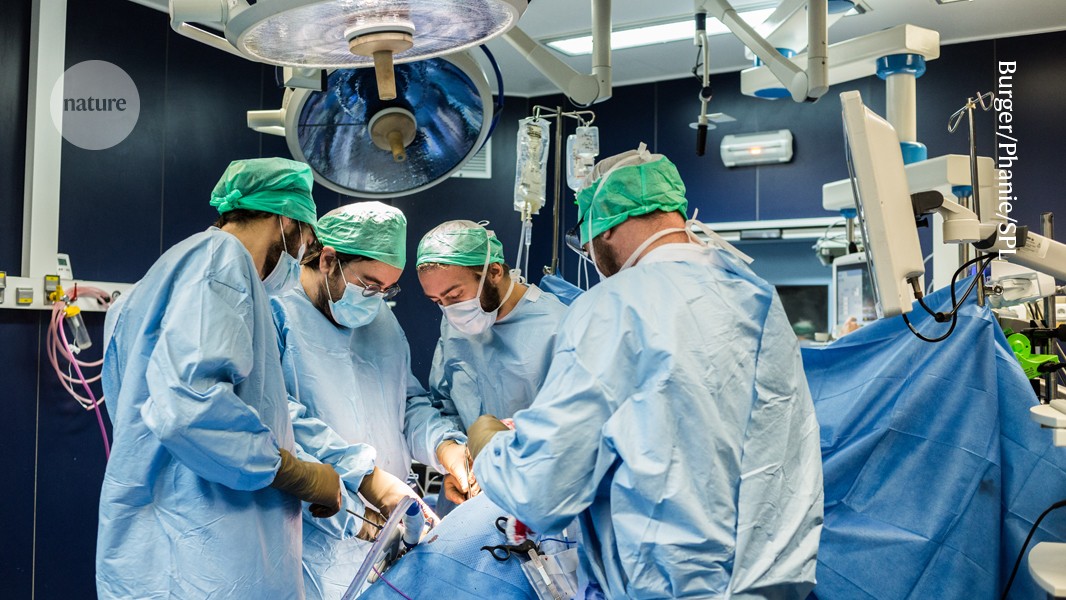

People whose kidneys stop functioning properly can wait years to receive a donor organ.Credit: Burger/Phanie/Science Photo Library
A single dose of engineered immune cells has helped two men and one woman to receive life-saving kidney transplants. The trio are part of a group of patients who have ‘highly sensitized’ immune systems — meaning that they are often not eligible to receive transplants because their bodies usually reject the donated organs.
“These people die on the waiting list — they never get a kidney,” says Allan Kirk, a kidney transplant surgeon at Duke University Hospital in Durham, North Carolina, who was not involved in their care. Using these immune cells to make transplants possible “could be a real game changer”, Kirk says.
More than a year after receiving the cells, the three people are now living with new kidneys and without notable side effects. Their success stories were published today in the New England Journal of Medicine in two reports by independent research teams1,2.
Few options remaining
When a person’s kidneys stop functioning, or go into ‘failure’, dialysis and transplants are the only available treatments. Dialysis, which uses a machine to clean a person’s blood, is time-intensive, taking up to several hours a day, usually three days a week. It consumes people’s lives and leaves them physically exhausted, says Ali Naji, a transplant surgeon at the University of Pennsylvania in Philadelphia and an author of one of the reports.
One woman, three autoimmune diseases: CAR-T therapy vanquishes ultra-rare disease trio
Transplants offer the possibility of a relatively normal life, but for the more than 91,000 people in the United States who are on waiting lists for a kidney transplant, an estimated 5–10% of them have highly sensitized immune systems. Their bodies produce high levels of antibodies that attack foreign biomolecules and tissues, such as those found in a donor organ.
One woman with this condition came to the hospital “again and again” — nine times in all — accompanied by potential donors who turned out not to be an immunological fit, says Eva Schrezenmeier, a nephrologist at Charité — University Medicine Berlin and an author of one of the studies. The woman was in her 30s and had previously received a kidney transplant that failed after a decade. Without working kidneys, she soon developed high blood pressure, which then led to heart failure. The dialysis she was receiving drained her energy, and she was no longer able to hold down a job. “She was very desperate,” Schrezenmeier says.
Engineered immune cells called chimeric antigen receptor (CAR) T cells offered a chance to improve and extend her life. They have been approved by regulatory agencies to treat a variety of blood cancers and have been trialled for some autoimmune conditions. Researchers now wanted to test whether these cells could suppress the high antibody levels that prevent people with highly sensitized immune systems from receiving transplants.
Success stories
CAR T cells are made by extracting and isolating a person’s T cells — a type of immune cell — and then engineering them to attack other cells that produce a target protein. In the woman’s case, cells in her body expressing a protein called CD19 were pumping out the trouble-making antibodies that prevented her from getting a new kidney.

