


New training program helps medical personnel deliver critical supplies faster while reducing risk to soldiers
The U.S. Army’s 44th Medical Brigade is expanding its use of drones to support battlefield medical operations, highlighting a growing military focus on unmanned systems for logistics and sustainment.
According to a recent announcement from the XVIII Airborne Corps, two soldiers from the brigade’s dental company area support element completed specialized drone training through Clemson University’s Drone Academy. The training is intended to help medical units deliver supplies more quickly and safely in field and deployed environments.
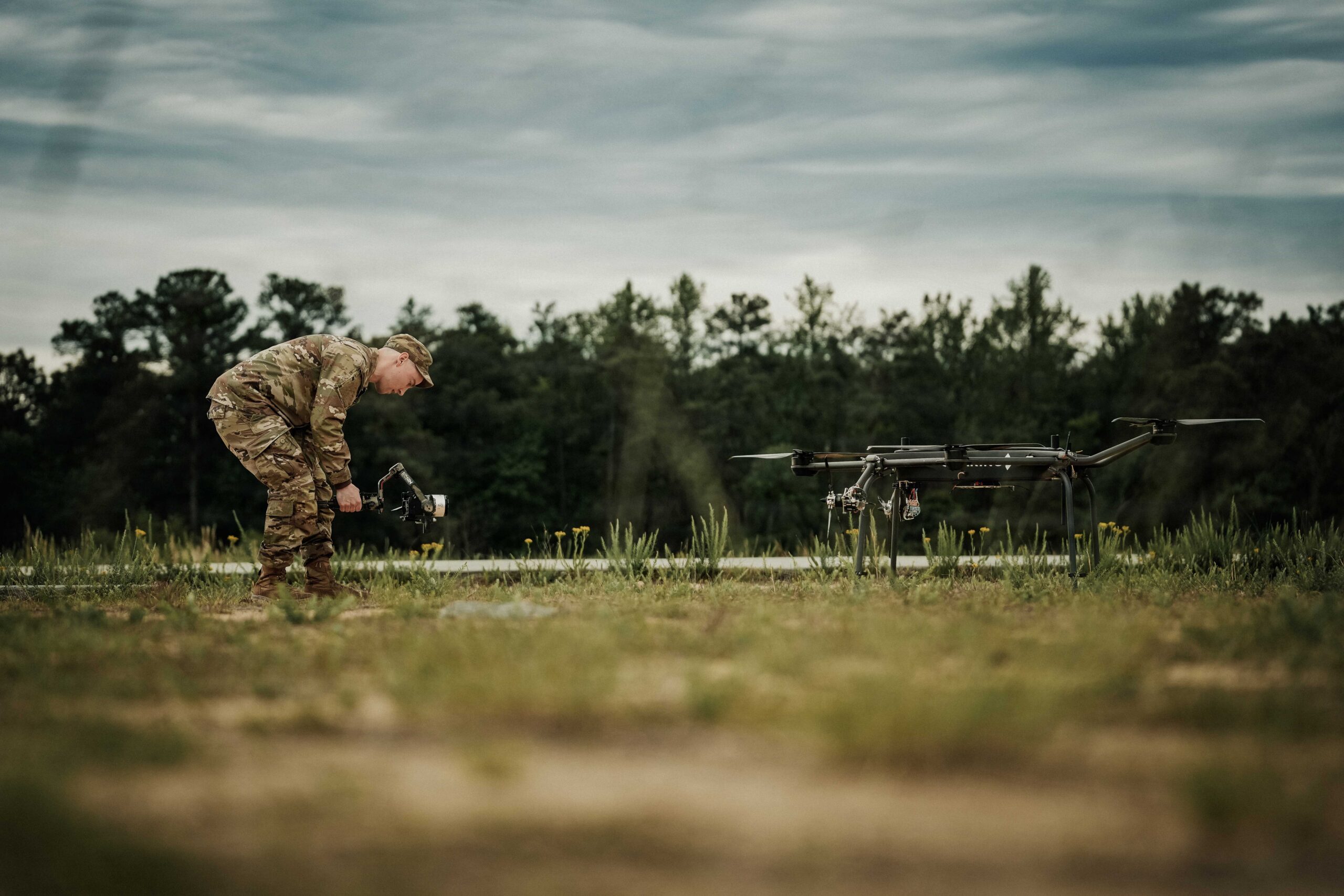
Army 1st Sgt. Fisamuel Reggans and Cpl. David Sanchez, both dental specialists, recently graduated from the academy’s eight-week online unmanned aircraft systems (UAS) course. The program provided instruction in drone operations and prepared the soldiers to support medical resupply missions during training exercises and operational deployments.
Supporting Medical Operations in Challenging Environments
The Army says the effort aligns with broader modernization initiatives that emphasize operating in contested and austere environments. In future conflicts, traditional ground-based resupply methods may face delays or become too risky to use.
Military planners increasingly view small drones as a practical solution for moving critical supplies over short distances. Medical units can use unmanned aircraft to transport medications, blood products, medical equipment, and other essential items directly to frontline personnel.
Reggans said the technology gives commanders more options while helping protect soldiers from unnecessary risk.
“We would rather send out a drone than a soldier,” he said.
The Army noted that unmanned systems can reduce the manpower required for resupply missions while improving response times and extending operational reach. Drones can also help maintain medical support in hazardous areas where ground transportation may be difficult or dangerous.
Building New Skills Across the Force
The Clemson University course encouraged participants to develop technical skills outside their traditional medical specialties.
For Reggans, one of the most valuable lessons involved learning to operate drones manually. That skill can provide additional flexibility if automated systems become unavailable during operations.
Sanchez emphasized the importance of reliable supply delivery in medical missions.
He said that medical operations will always require supplies and that drone-based delivery can reduce transportation times while making resupply easier.
The soldiers also noted that faster delivery of medical supplies can improve continuity of care for injured personnel while reducing the need to send additional soldiers into dangerous areas.
A Growing Military Use Case for Drones
Military organizations around the world continue to explore drone-based logistics as a way to increase operational flexibility. Recent conflicts have demonstrated how small, low-cost unmanned aircraft can support missions ranging from reconnaissance to cargo transport.
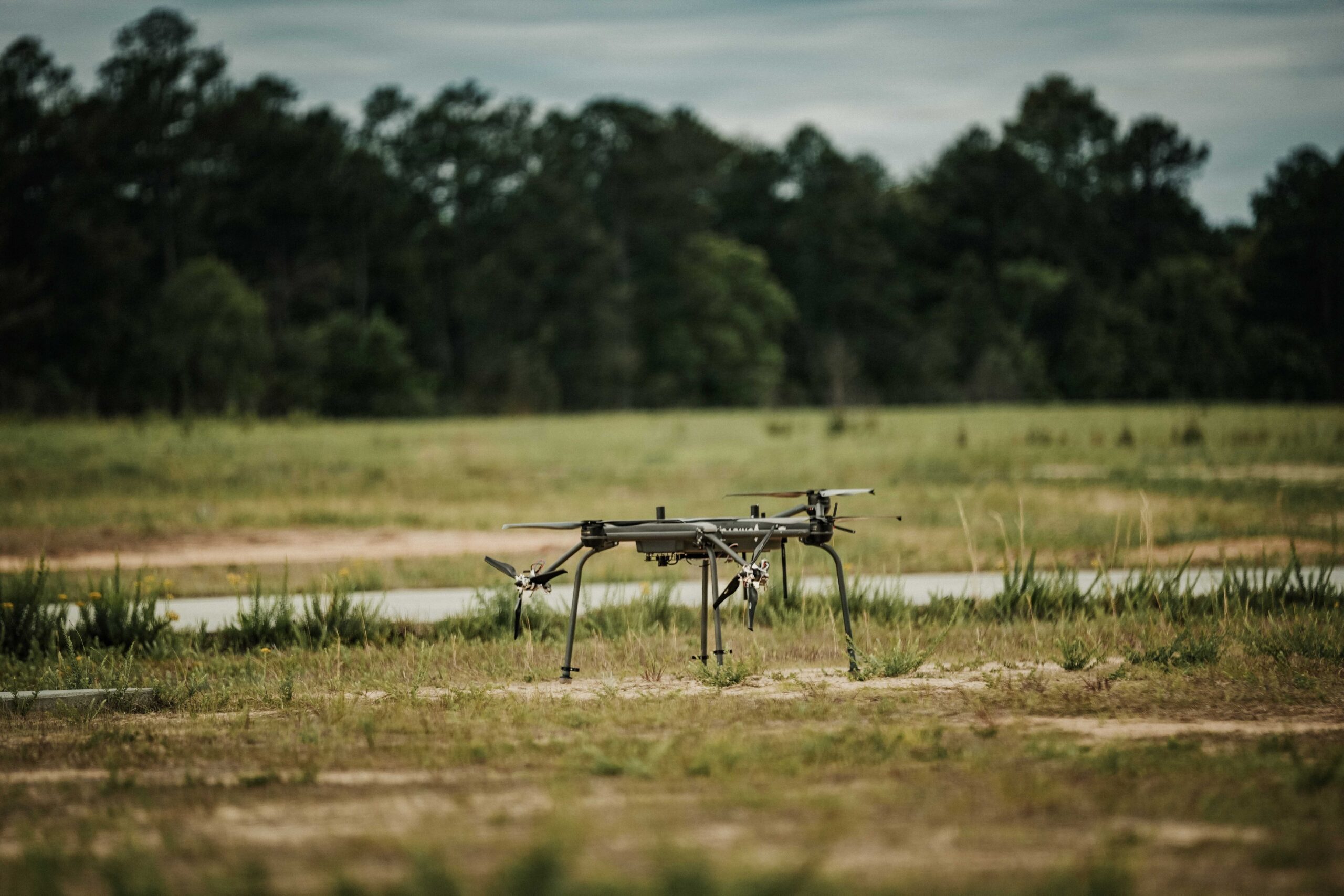
For medical units, the ability to quickly move critical supplies may prove especially valuable. Drones can help sustain operations when roads are damaged, supply routes are threatened, or personnel face significant risk.
Leaders within the 44th Medical Brigade said emerging technologies such as unmanned systems will continue to play an increasing role in future medical operations. The goal is to improve speed, flexibility, and survivability while ensuring that frontline personnel receive the supplies they need when they need them.
The initiative reflects a broader trend across the military as units integrate drone technology into everyday operations, extending the role of unmanned systems beyond combat missions and into critical support functions such as medical logistics.
Read more:

Miriam McNabb is the Editor-in-Chief of DRONELIFE and CEO of JobForDrones, a professional drone services marketplace, and a fascinated observer of the emerging drone industry and the regulatory environment for drones. Miriam has penned over 3,000 articles focused on the commercial drone space and is an international speaker and recognized figure in the industry. Miriam has a degree from the University of Chicago and over 20 years of experience in high tech sales and marketing for new technologies.
For drone industry consulting or writing, Email Miriam.
TWITTER:@spaldingbarker
Subscribe to DroneLife here.

