


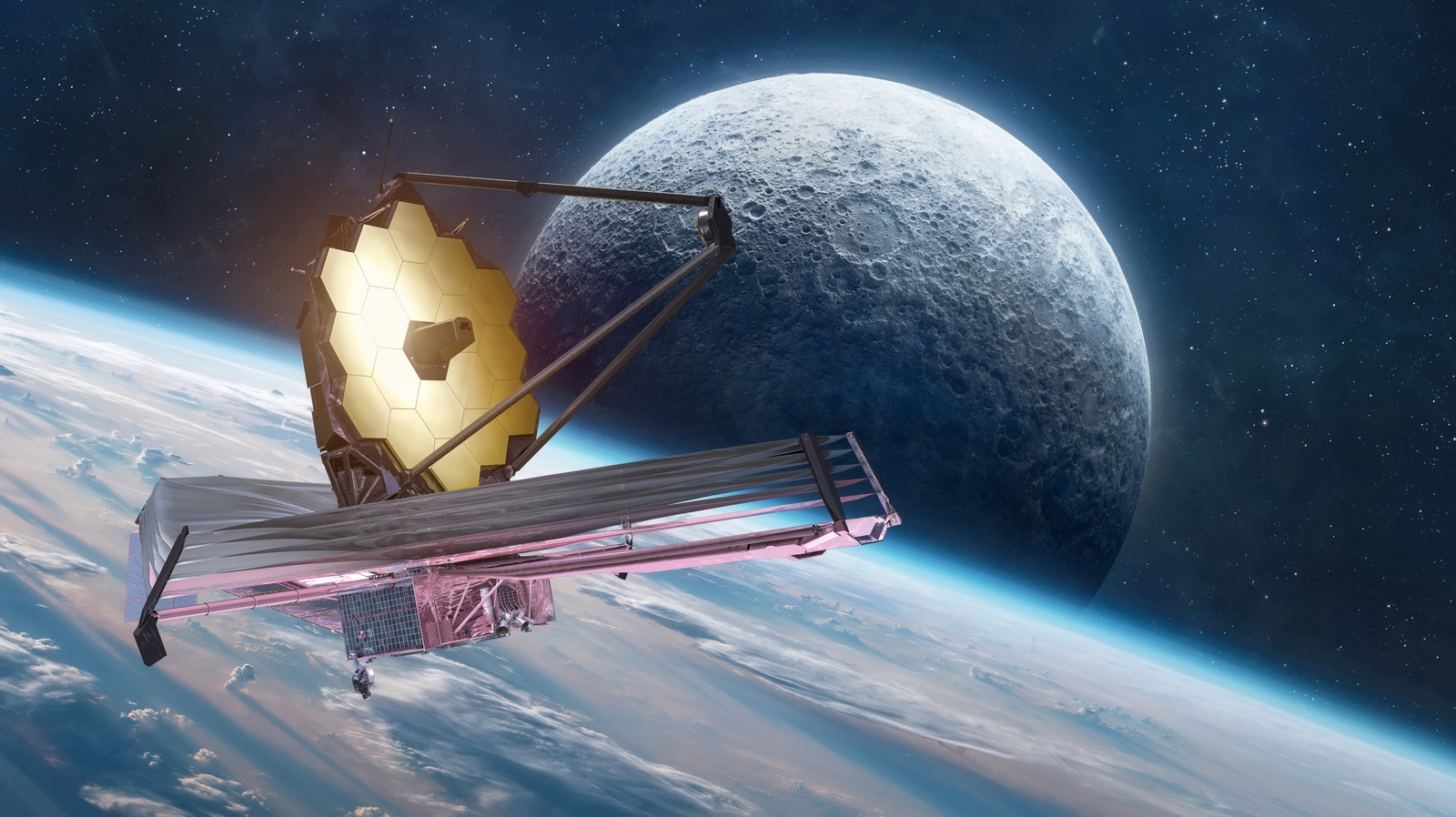
The James Webb Space Telescope was never meant to discover whole new worlds; that job was left for the just-completed Nancy Grace Roman Space Telescope. Rather, Webb’s job has always been to bring great clarity and focus to the galaxies, stars, and planets that we do know about. Now, however, it’s going even further, as a new study published in Nature Astronomy declares that it has “opened a new era in the study of rocky exoplanets, enabling direct characterization of their surfaces with mid-infrared spectroscopy.” In other words, this one telescope is enabling us to deduce not just the chemical and mineral compositions of distant worlds, but their terrain and features as well. The map of the universe has never been so detailed.
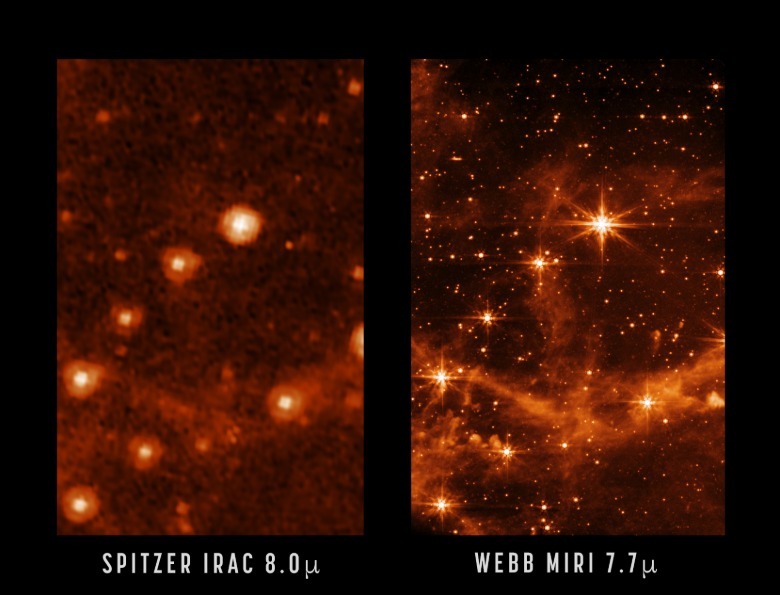
The first planet to undergo this type of study was clearly named by a poet: LHS 3844 b, not to be confused with the place where Ripley first encountered the alien egg. This is one of many so-called “super-Earths,” which are defined as planets with a mass 2-10 times that of actual-Earth. Importantly, this says nothing about how habitable they are, it’s just an indication of size. They could be solid (or not), atmospheric (or not), or water-bearing (or not). As mere fuzzy blips on images from older telescopes, it’s often hard to tell one way or the other. But as the image below makes obvious, Webb is advanced enough to make those blips a lot less fuzzy.
It’s not just photographs, though: Webb is also capable of much clearer spectroscopy, too. As you may remember from chemistry class, spectroscopy is a method of viewing a whole spectrum of light emitted by a molecule, each of which will have distinctive blank spots. Astronomers have long used this method to determine the composition of distant planets.
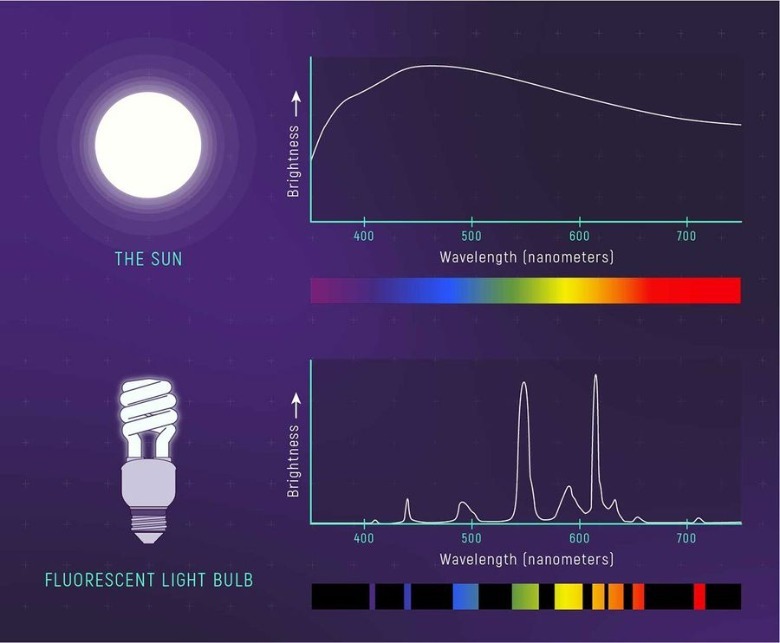
What Webb adds now is such a precise level of detail that scientists can determine not just chemicals, but surface texture. Think of it as a very scientific, mathematical way of “seeing” the surface of another world. This is how the power of the human intellect can explore the universe without ever setting foot there. Or, to put it another way: man, science is just cool, man.
Seeing what no eyes can see
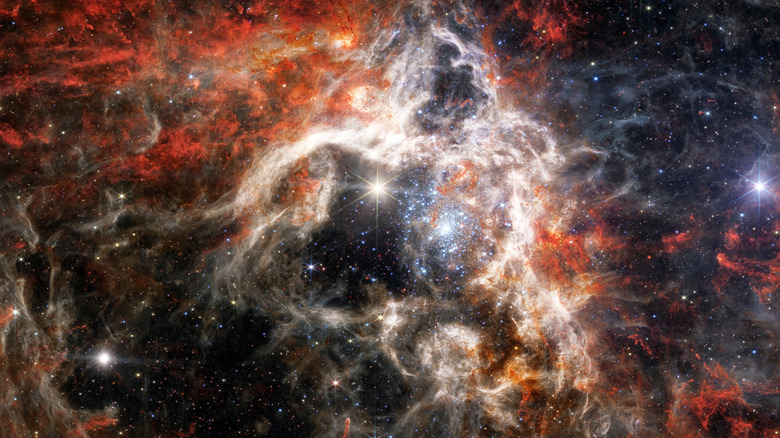
So, what exactly did Webb “see”? Using MIRI, its onboard Mid-Infrared Instrument, to capture the spectroscopy, astronomers were then able to determine that LHS 3844 b has a dark, featureless surface rich in the mineral olivine. Which is exactly like the Earth’s mantle! Well, when our planet was still in its infancy. That would indicate a dynamic world, flush with geologic activity, only recently formed and still dreaming of the planet it will one day become. Ah, youth!
The only trouble is, Webb saw no indication of any of that, or rather, “no evidence for CO2 and SO2, both expected products of volcanic outgassing.” That would indicate that the planet is a (literally) crusty old guy. This could make sense if the surface was worn and space-weather-beaten by solar radiation and meteors, essentially pulverized by time and experience into a powder. If that sounds familiar, just ask the Artemis astronauts what the Moon looks like.
So, what kind of super-Earth are we talking about here?
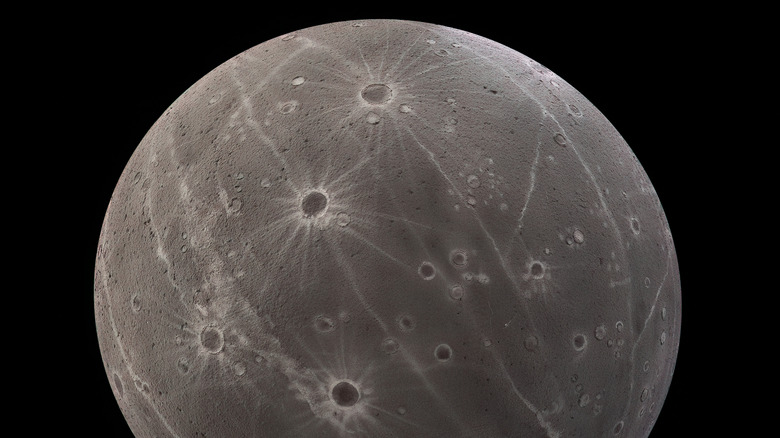
Putting all that together, here’s what LHS 3844 b is shaping up to be. It’s rocky planet covered with olivine, likely covered in a powder and in its elderly stage as a celestial body. Per Phys.org, it’s about 30% larger than Earth, and it completes an entire orbit around its red dwarf star in just 11 hours. It’s also tidally locked, meaning that it keeps its “face” to its star at all times, the same way the Moon always looks the same from the Earth. With no atmosphere to spread the heat around, that puts its eternal dayside at a crisp 1,340 degrees Fahrenheit. It doesn’t appear to have tectonic plates, geologic activity, or water. It is a barren husk forever being scorched on one side. It may look something like our neighbor, Mercury (pictured).
That’s quite a bit of information about something nearly 50 light-years away! That’s the power that the James Webb Space Telescope brings to the table. The research team already has some follow-up measurements for Webb to run on the world, which aim to determine the angles of the infrared emissions. From there, a lot of math can reverse engineer what the actual terrain of the world “looks” like. Science astounds.

