


Key Points
- EV shipping restrictions in Alaska cause costly, delayed service for Rivian owners.
- Fire risks from lithium-ion batteries prompted bans or severe limits on barge transport.
- Solutions remain unclear; shipping inoperable vehicles now costs upwards of $5,000–$6,500.
Back to the 48
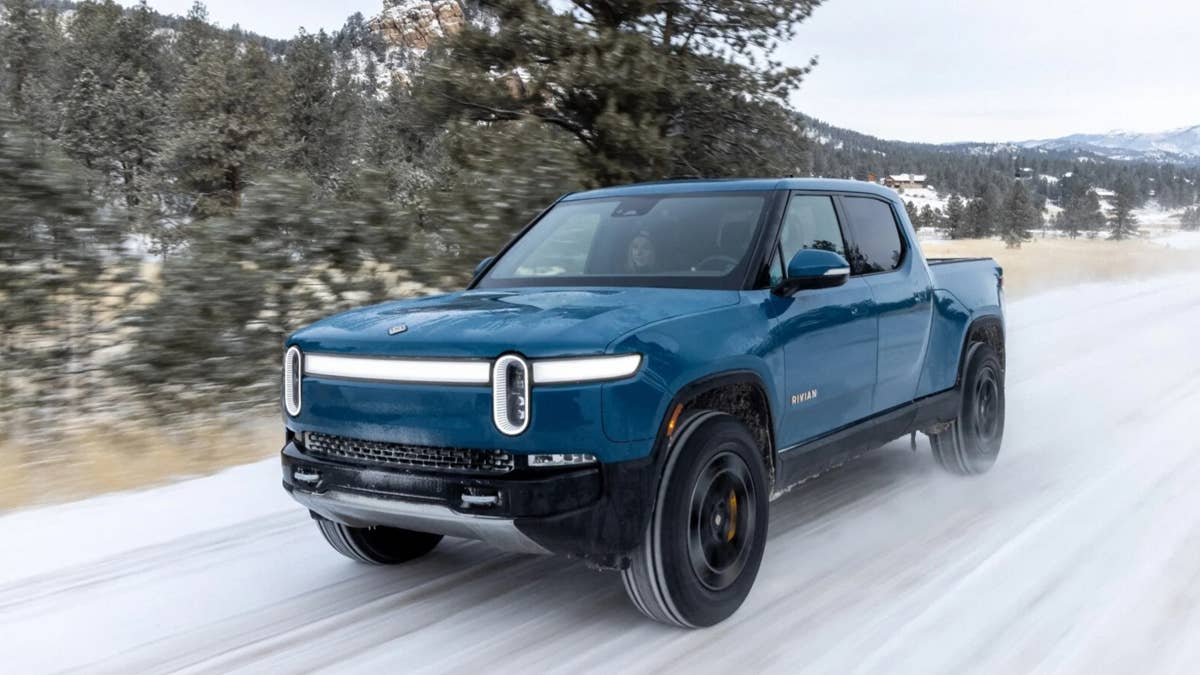
When you live in Alaska, it’s a totally different ballgame. Take, for instance, a Rivian owner who needs warranty work on his 2024 Rivian R1T. To make a warranty claim and to see it through, it used to be free with time and being the principal cost back then. However, some things happened that now necessitate thousands of dollars just to get the car towed to the nearest service center.
The Drive picked up on this story, citing that an EV on a commercial barge caught fire while in transit, prompting them to limit or outright ban EVs. Because of the safety risk, it’s become a logistical nightmare to ship over EVs from Alaska to the mainland or vice versa. Some ferries or barges will only take extremely limited quantities, causing lead times to stretch from a few weeks to months.
According to the report, “the lead time for a slot is months, not weeks.” Prices are also quite high for shipping, and it’s causing Rivian and owners in the region a major headache.
Rivian
How Do Rivians Get Serviced In Alaska?
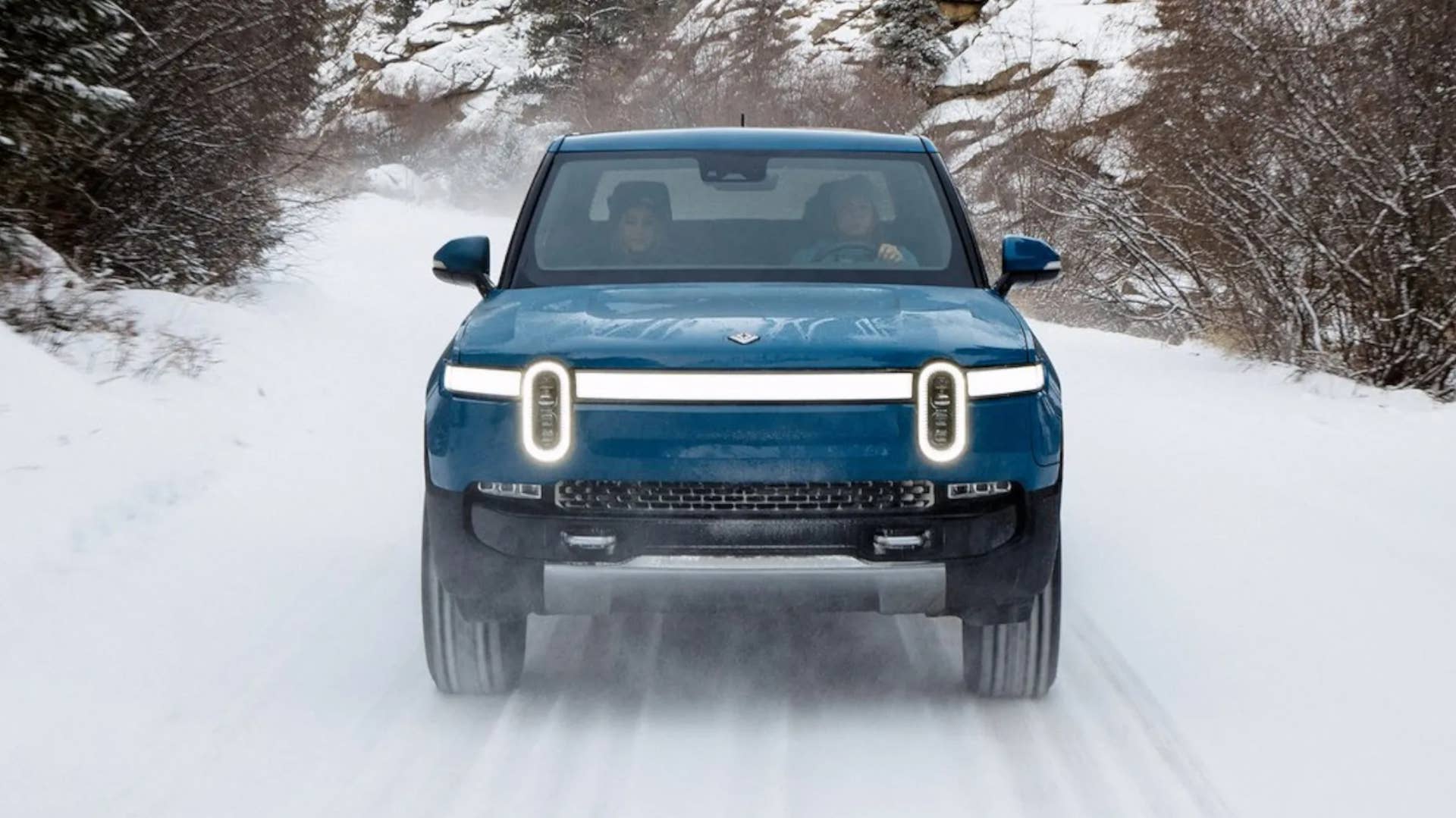
Servicing in Alaska is currently handled by mobile technicians and authorized third-party providers. There is one major service center in the region, in Bellevue, Washington; however, Alaskan topography isn’t exactly welcoming, especially if a car is inoperable and needs a tow. Depending on the problem, the cars will need to be shipped back to Seattle or to the Bellevue service center, where repairs or warranty work can be facilitated properly.
If ever a vehicle fails to move under its own power, Rivian does offer complimentary emergency towing services, subject to asterisks that account for the vehicle’s distance to the nearest authorized service center or a mutually agreed-upon location for warranty-related issues. The brand also covers repairs under its warranty policy, which states that Rivian will cover the repair costs if a vehicle becomes inoperable due to a failure. However, due to the exorbitant shipping costs, the company has pushed back but is allegedly working on another solution.

The Logistical Nightmare
EVs and PHEVs are not allowed on barges that are not just bound for Central, Western, or Southeast Alaska, but also to Hawaii. Shipping companies are concerned about the energy density of lithium-ion battery packs in these vehicles. When EVs burn, they’re difficult to extinguish and release toxic gases that could endanger the crew’s health and safety. While a few EVs are okay, grow that number to a thousand, and you might have a big catastrophe on your hands. Such is the case with the cargo ship that necessitated the limitation. The said ship sank after thousands of EVs caught fire. Eventually, the ship sank, but the process took weeks.
There are other stories that also involve cars and barges catching fire, like one in 2023, that involved 3,000 cars (25 of which were EVs) on a barge that caught fire. According to authorities, the fire “began near an electric car.”
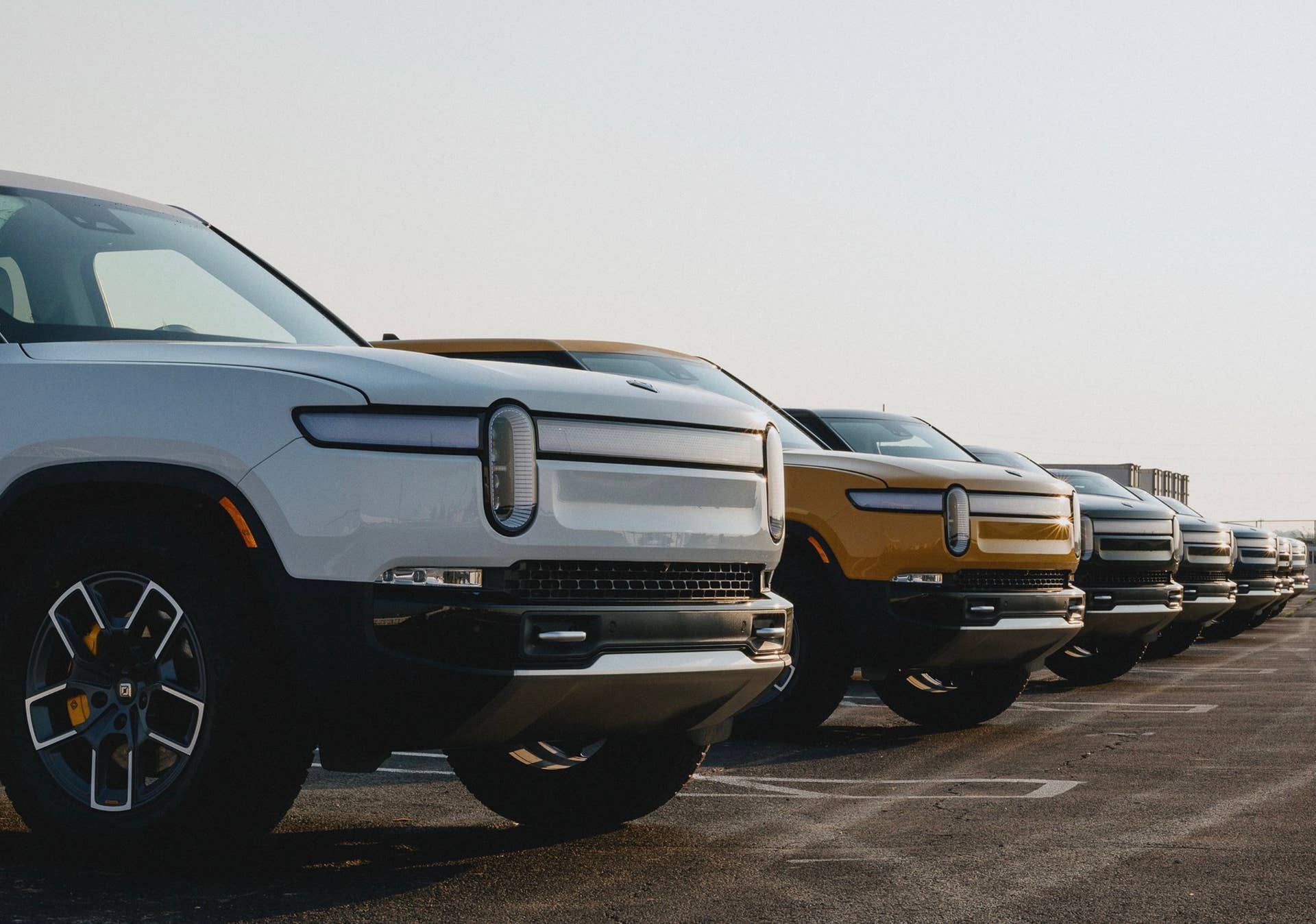
New policies are treating EVs and PHEVs like hazardous materials, and thus are limiting or outright banning their entry on board barges and ships. With companies taking only a few, or none at all, this puts a heavy strain on EV shipments to the region and also on shipments outside.
Rivian
The Solution? TBD
The solution? Still to be determined. Rivian in Seattle is still trying to find a solution, with the owner of the R1T stating that he remains “optimistic” that the brand will help navigate the logistical nightmare unfolding. One solution is to go by land, but even that comes with its own set of costs and regulations. Transporting what is essentially treated as hazardous materials will come under fire from our neighbors from the north (poor choice of words, I’m sorry). According to the source’s estimates, shipping an inoperable vehicle across Canada could cost well over $5,000.
Ferries might be the next-best option for owners, but that will also cost an arm and a leg. The source also unearthed Reddit threads claiming that a one-way transport fee will set owners back $6,500 for a ferry ride.
The logistical challenge is distance, policy, suppliers, and topography. Depending on where the vehicle is, getting it assessed is one thing, but getting it o a set of eyes that knows what to do is another. Then, if more serious work is required, it becomes a battle of capabilities. Does the vehicle need to go to the major service center, which is potentially super far away? Or does the vehicle need to head back all the way to Seattle because the local outfit doesn’t have the tools to handle it? Prior to this, Rivian held the fort by shipping the cars by sea, avoiding land travel altogether. Now, the challenge is simply getting on the boat.

About the author

Earl is an automotive journalist and content creator with nearly a decade of industry experience. A lifelong car enthusiast, he covers reviews, shoots, and video production for AutoDeal.com.ph and YugaTech.com—and won the 2025 Henry Ford Award for Best Automotive Video Review. When he’s not on the road or behind the camera, he’s working on his project car.

