


Funding supports plans for 40 new bases and continued scaling of suburban UAV delivery operations
Manna Air Delivery has announced a $50 million Series B funding round to expand its drone delivery operations in the United States and Europe. The company says the new funding brings its total raised to $110 million and will support plans to launch up to 40 new operational bases in the U.S.
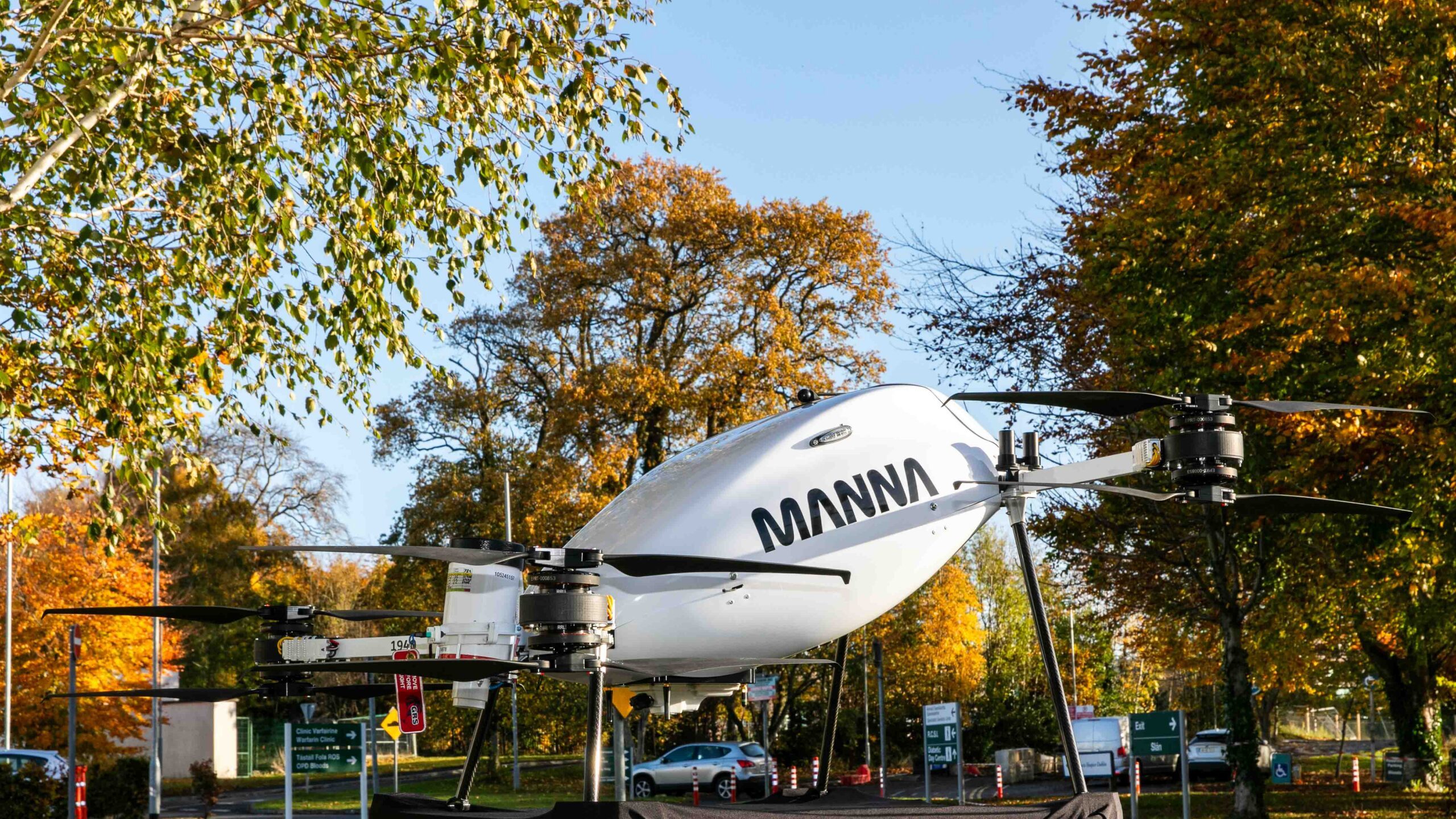
The round includes investment from ARK Invest, the Ireland Strategic Investment Fund, and Schooner Capital, along with existing investors. Manna has completed more than 250,000 regulated commercial UAV flights to date, making it one of the most active drone delivery networks globally.
Expansion Focus: Scaling Proven Operations
Manna has spent seven years developing its delivery model across Ireland, Finland, and Texas. The company now aims to scale those operations into broader U.S. markets.
CEO and Founder Bobby Healy emphasized that the company is moving beyond testing and into growth.
“We’ve proven the technology and the economics of autonomous delivery. On daily deliveries in suburban areas we are a world leader. Now it’s about scale. We’re expanding rapidly in the United States with plans to launch up to 40 new bases as we build the infrastructure for the next generation of logistics. It’s been exciting to see the enthusiasm for aerial delivery in technology-forward markets like the US and others.”
The company’s model focuses on suburban delivery. UAVs transport items such as food, medical supplies, and retail goods directly to homes within minutes.
Partnerships and Platform Integration
Manna has expanded its partnerships with major delivery platforms. A recent agreement with Uber adds to existing integrations with Deliveroo, Just Eat, and DoorDash.
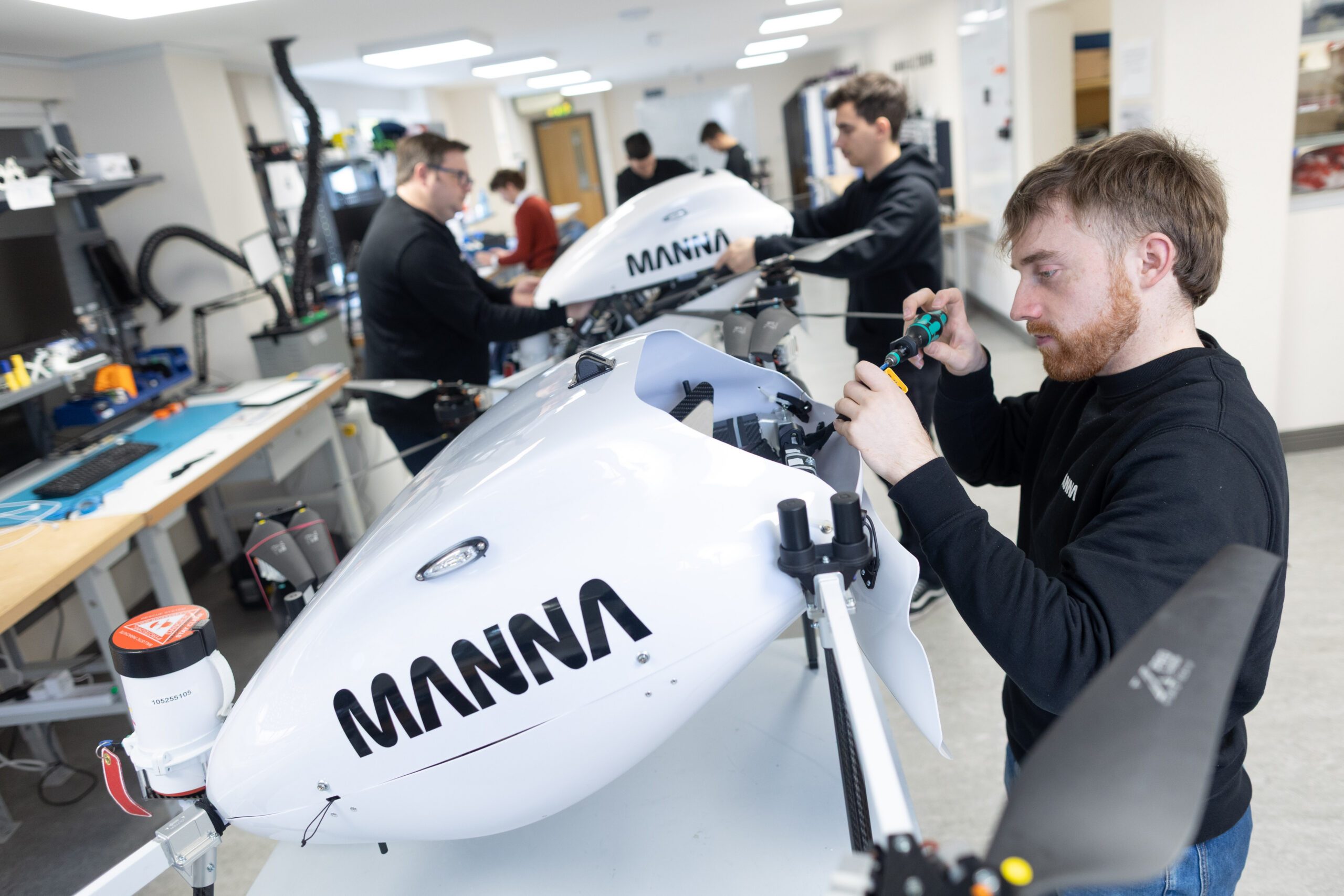
Customers can order through partner apps or directly through Manna. Deliveries are then completed by autonomous UAVs, which lower packages to homes using biodegradable tethers.
The company positions itself as part of a broader shift toward instant logistics. These integrations allow Manna to operate as infrastructure rather than a standalone service.
Operational Model and Customer Experience
Manna’s drone delivery system targets speed and efficiency. The company reports delivery times of under three minutes in many cases.
The system also aims to reduce environmental impact. According to the company, UAV delivery can cut CO₂ emissions by up to 85% compared to road-based delivery.
For local businesses, the platform offers a way to reach customers without the cost of traditional delivery. Manna states that it has demonstrated positive unit economics for suburban retail delivery.
CEO Bobby Healy described the broader mission of the company:
“Manna Air Delivery is dedicated to improving the world by making lightning-fast suburban deliveries affordable, accessible, green and safe. Our technology reduces road congestion, cuts emissions and helps local businesses deliver everyday goods to communities faster.”
The service has gained strong user feedback, with a reported Net Promoter Score of 86.
Regulatory Context and Industry Development
Manna operates under a Light UAS Operator Certificate (LUC) issued by the European Union Aviation Safety Agency (EASA). This certification supports more advanced and scalable drone operations.
In January, FAA Administrator Bryan Bedford visited Manna’s Dublin headquarters. The visit focused on how regulatory systems in the U.S. and Europe can support the expansion of drone delivery services.
This reflects a broader industry trend. As companies move from pilot programs to scaled operations, regulatory alignment becomes more important.
Investor Perspective
Investors in the round pointed to Manna’s operational track record and scalability.
Orhan Gazelle, Managing Director at Schooner Capital, said:
“Manna is building one of the most compelling real-world applications of autonomous technology we have seen. The company has demonstrated that drone delivery can operate safely, efficiently and at scale, and we believe it has the potential to fundamentally reshape last-mile logistics. We are excited to support Manna as it expands internationally and continues to build the infrastructure for the future of autonomous delivery.”
Looking Ahead
Manna’s expansion plans highlight a shift in the drone delivery sector. The focus is moving from early testing to building long-term infrastructure.
With established operations, regulatory approvals, and growing partnerships, the company is positioning itself to play a larger role in last-mile logistics.
As U.S. markets continue to evolve, the success of scaled suburban delivery models may help define the next phase of commercial drone adoption.

