


Canada to establish Drone Innovation Hub
By DRONELIFE Features Editor Jim Magill
Canada, which has become a world leader in the development of autonomous aviation, aims to expand its domestic capacity in the production of drone and aerospace technologies with the creation of a new Drone Innovation Hub.
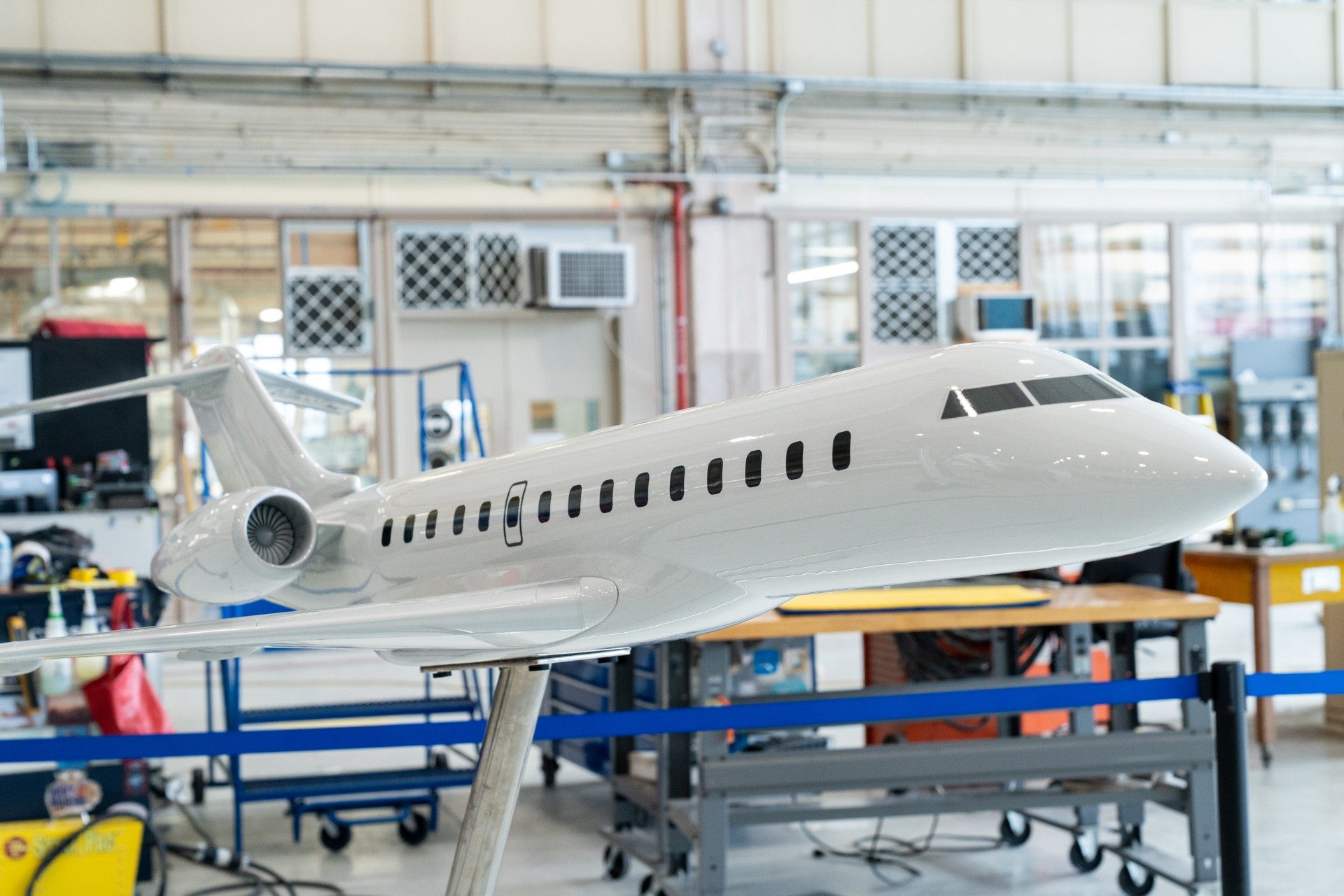
The National Research Council of Canada (NRC) will launch the Hub, to be collocated in the Ottawa and Montreal areas, with funding from the Canadian federal government.
“The Drone Innovation Hub is really composed of two main elements. We’re creating a new lab, the drone and flight autonomy lab, and it’s going to be stood up with facilities in two locations,” said Derek Gowanlock, a high NRC official.
One of the Hub’s main facilities, the Center for Autonomous Flight Systems, will be located at the Ottawa Airport, right next to the NRC’s Flight Research Lab, while the Center for Drone Innovation is going to be built in the small city of Maribel in Quebec Province.
Funding for the Hub will come from C$900 million investment made in the NRC by the federal government under Canada’s Defence Industrial Strategy, a long-term plan to support Canadian industry and build the country’s defense economy.
Gowanlock, who serves as program director at the NRC’s Aerospace Research Centre, said the Hub’s mission will be to connect the country’s drone and aerospace industries with the defense establishment to encourage the development of a Canadian-based military and dual-use technological base.
“Overall, the impact we’re seeking really goes back to a question that the government asked us mid-last year, when the defense industrialization strategy was being planned,” he said. The government tasked the NRC with helping industry commercialize technology for drones, counter-UAS systems and other autonomous flight systems, “so that they can be purchased by National Defence across the board and also be exported.”
NRC officials hope the newly created Hub “will strengthen domestic capacity, reduce reliance on foreign platforms, accelerate innovation cycles, and enhance the global competitiveness of Canadian businesses.”
The creation of the Hub – including everything from building construction, to equipment procurement, to hiring –is expected to take place over a three-year period beginning in the fiscal year that runs from April 1 to March 31.
Gowanlock said the first projects the Hub will tackle will be continuations of ongoing defense programs that have been under way for several years. Additionally, the Hub will work with its industry partners to support their own ongoing technology development projects.
“The priorities will fundamentally be set by the National Defence establishment in general. So, the things we emphasize would be the things that they need. But the industry also has larger visions in terms of long-term roadmaps,” he said.
Global trend toward drone innovation
The decision to establish a national Drone Innovation Hub comes at a time when countries across the world are racing to develop their own drone manufacturing infrastructures both for defense and for dual-use purposes.
“Anyone who’s in the drone space at all is aware of what’s going on in Ukraine and the pre-eminence of drone technology in modern warfare,” Gowanlock said. “I also think that the government’s interest for sovereign defense technology capabilities was convergent in time with the emergent requirements for defense drone technologies. So those two big factors came together.”
The technological capabilities that the Hub will create are expected to span the gamut of drone, counter-drone and advanced aviation technologies. For example, the Center for Drone Innovation, located in Maribel, a national hotspot for drone manufacturing, will have two facilities that will focus on the development of Class one and Class two UAVs — small and medium-sized drones.
Meanwhile, the Center for Autonomous Flight Systems in Ottawa will focus on large-scale aerial autonomy vehicles such as collaborative combat aircraft — artificial intelligence-enabled drones designed to accompany manned fighter planes, sometimes referred to as “loyal wingman” aircraft – and large surveillance drones.
The Hub will provide the aviation industry with the resources necessary to help design and build these aircraft, which small to medium-sized manufacturing companies and even larger aviation corporations might lack, Gowanlock said.
Hub to serve as industry gathering place
In addition, the Hub will provide a forum for industry-wide events, such as aviation prize competitions and industry forums, “where industry can come with their mid-range TRL [Technology Readiness Level] technologies. Integrate with other technologies and experiment together with the NRC, National Defence and other government partners,” he said.
Such marquee events will allow the Hub to bring together a wide cross-section of industry partners, without having to focus solely on working with a single commercial company.
Gowanlock, whose career at the NRC has included full-scale flight autonomy technology development and experimentation, said the development of the Drone Innovation Hub would continue the long Canadian tradition of world-class achievements in autonomous aviation.
“Our first flight with a helicopter in an autonomous format was back in 2022. Over the last few years, we’ve demonstrated a number of world’s firsts,” he said.
“The NRC partners with Canadian industry to take research impacts from the lab to the marketplace, where people can experience the benefits. This market-driven focus delivers innovation faster, enhances people’s lives and addresses some of the world’s most pressing problems.”
Read more:
 Jim Magill is a Houston-based writer with almost a quarter-century of experience covering technical and economic developments in the oil and gas industry. After retiring in December 2019 as a senior editor with S&P Global Platts, Jim began writing about emerging technologies, such as artificial intelligence, robots and drones, and the ways in which they’re contributing to our society. In addition to DroneLife, Jim is a contributor to Forbes.com and his work has appeared in the Houston Chronicle, U.S. News & World Report, and Unmanned Systems, a publication of the Association for Unmanned Vehicle Systems International.

Miriam McNabb is the Editor-in-Chief of DRONELIFE and CEO of JobForDrones, a professional drone services marketplace, and a fascinated observer of the emerging drone industry and the regulatory environment for drones. Miriam has penned over 3,000 articles focused on the commercial drone space and is an international speaker and recognized figure in the industry. Miriam has a degree from the University of Chicago and over 20 years of experience in high tech sales and marketing for new technologies.
For drone industry consulting or writing, Email Miriam.
TWITTER:@spaldingbarker
Subscribe to DroneLife here.

