


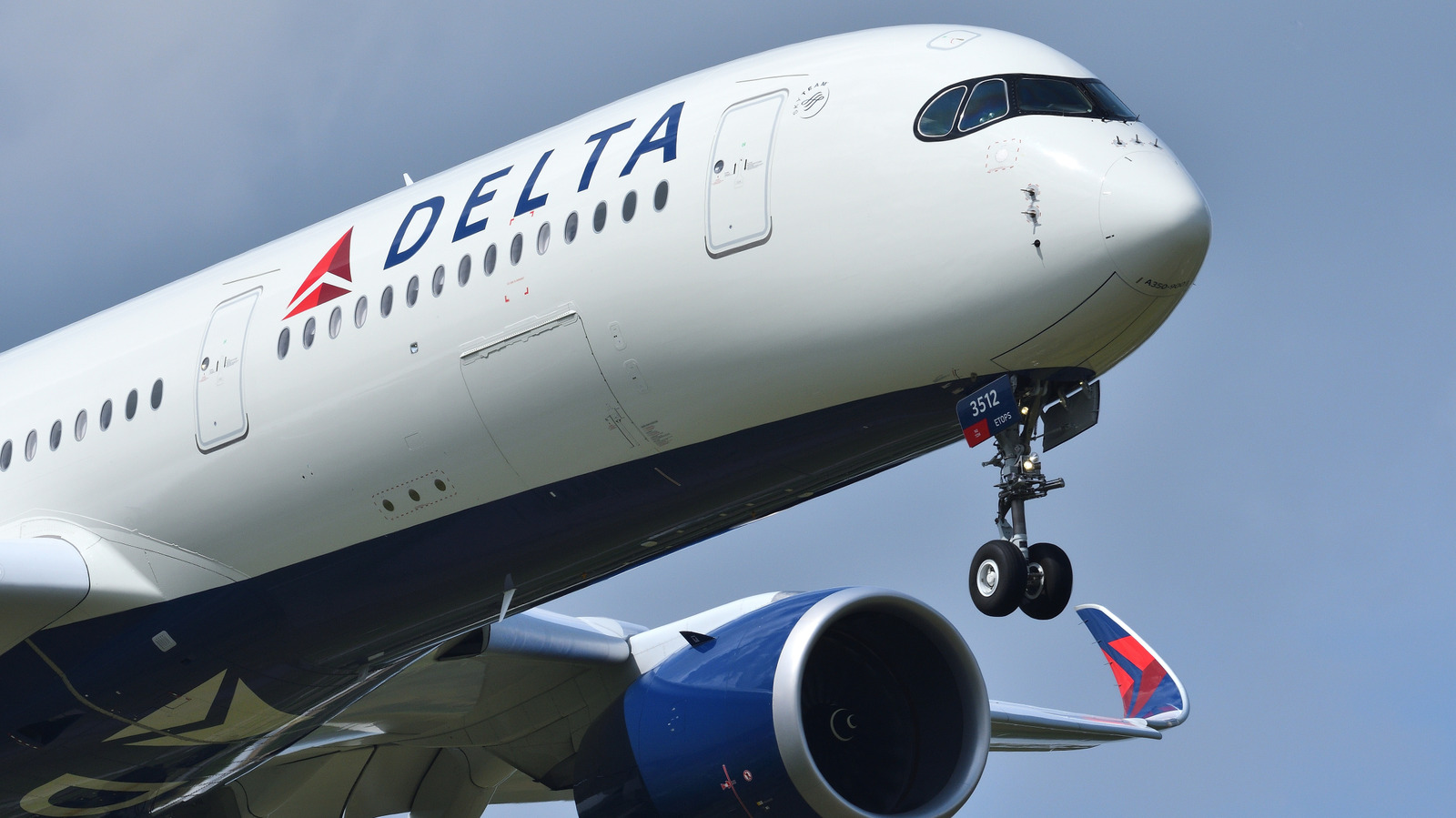
As a response to the U.S.-Israeli war on Iran and its global disruption to oil supplies, airlines are seeing record-breaking ticket sales. That may seem a bit backwards, but passengers appear to be rushing to lock in airfares before they potentially skyrocket over the next weeks and months. This is a bit like the rush to buy cars in the front half of 2025, before tariffs hit and started a relentless drive in sticker prices. So while airlines may be celebrating a windfall now, don’t be surprised if ticket sales plummet in the near future.
The CEOs of United Airlines, American Airlines, and Delta Air Lines all gathered at the J.P. Morgan Industrials Conference on Tuesday, as PBS News reports. They all reveled in the good news. Ed Bastian (Delta) said five of the company’s top ten days for ticket sales, ever, happened since the war broke out. Scott Kirby (United) said the last two weeks have been United’s best, ever. It’s worth mentioning that all of these carriers were also hitting record numbers earlier in the year, so part of the story here is the long-term boom in air travel demand. But that trend clearly spiked once the war began; the Guardian reports that European airlines are actively encouraging passengers to book now, before price increases hit. The longer the war continues, the more it will depress the aviation industry in the long-term.
Collateral commercial damage
The Iran war affects commercial airlines in a number of ways. For one, jet fuel costs have surged; PBS, via Argus Media, has it at $3.93/gallon as of Tuesday, versus $2.50/gallon before the war. Bastian translates that to $400 million in extra expenditures for Delta. For reference, Reuters says that jet fuel accounts for 20-25% of all operating costs, on average. Sooner than later, carriers will have to pass those costs off to passengers; foreign airlines tend to do this through a separate fuel surcharge, whereas domestic carriers historically have just increased the airfare itself. Either way, this is what customers are rushing to beat.
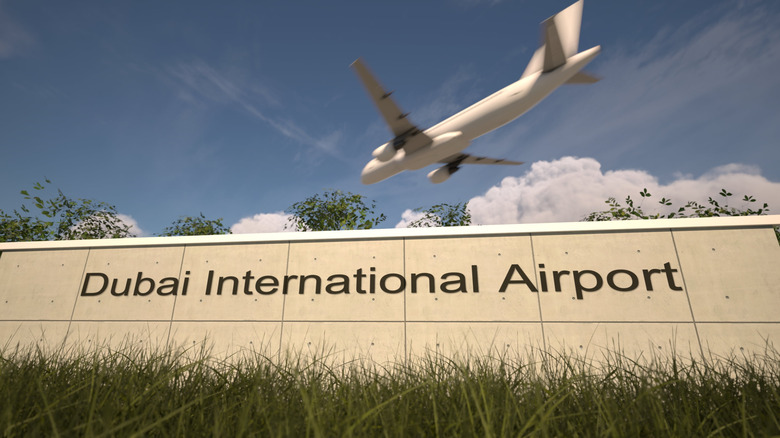
But it goes farther than just the dollar value of the ticket. Just a few weeks ago, the Middle East was a major air transit hub. Now, commercial flights into and out of the region are being canceled, and other flights are taking long detours to avoid the entire area. This makes multi-stop, long-haul flights take inefficient routes, meaning more time in the air, meaning more fuel burned. Using more jet fuel at the same time that jet fuel is getting more expensive is a bad combination. Beyond that, if flights are getting longer (or outright canceled), fewer people will want to take them, regardless of price. It’s just bad news all around.
It’s almost as if the war against Iran is having huge, unintended consequences. Who could have predicted this? Anyway, in the short-term, airlines are reaping the rewards and toasting broken records. Not to sound like a broken record myself, but the good times probably won’t last for much longer. If you absolutely need to fly soon, buy right now.

