


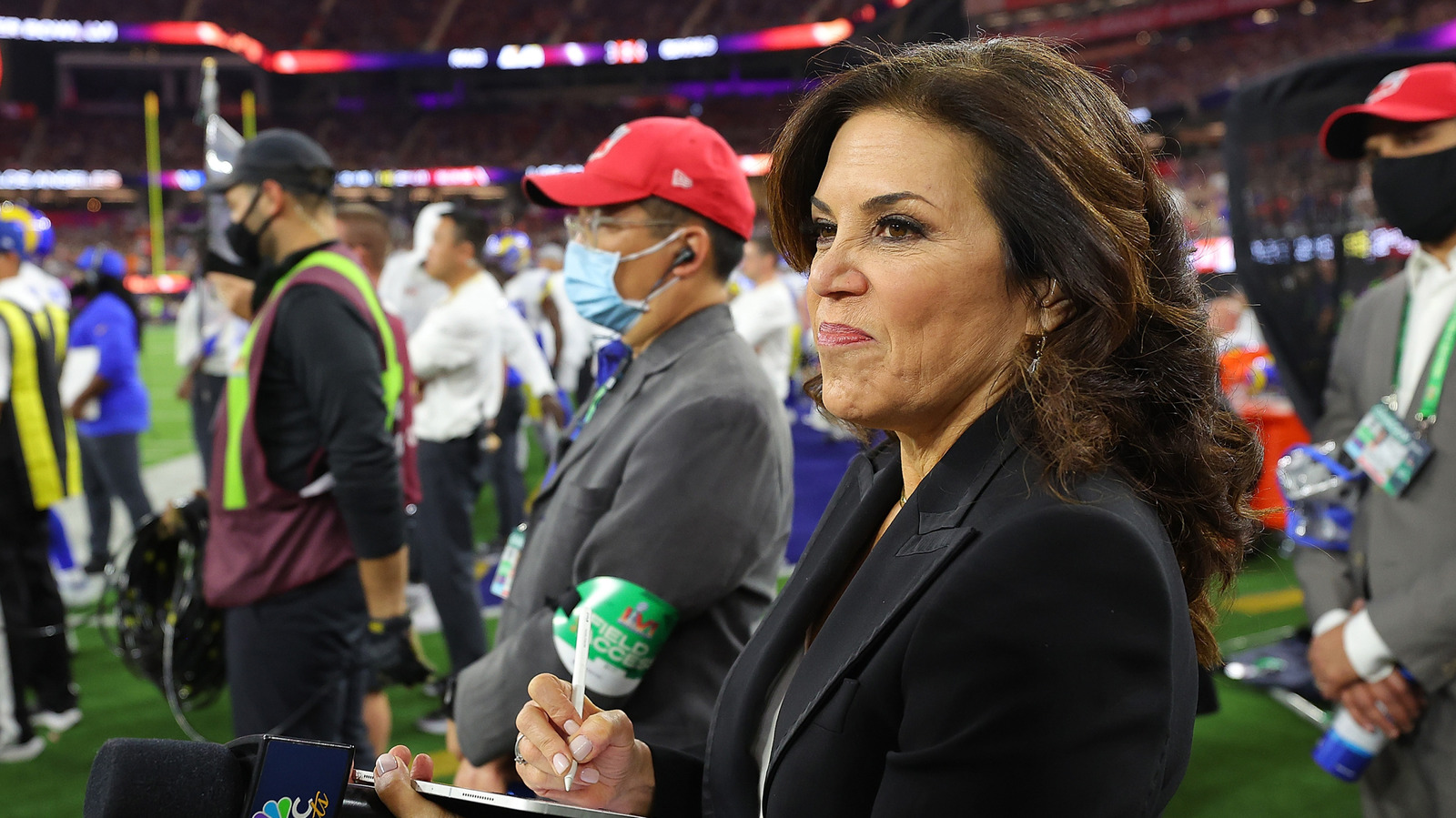
After biding his time for more than 40 years, Donald Trump finally realized his dream of sending the U.S. to war with Iran. Sure, many people may die, and the war has already cost U.S. drivers an extra $4 billion in higher gas prices, but those are sacrifices he and other Republicans are willing to make. If you’re upset that’s making it harder to pay your bills, though, the Hill reports that U.S. Senate candidate Michele Tafoya wants you to know things aren’t actually bad, and you’ll be fine if you stop buying Starbucks every day.
In an interview with far-right AM talk radio host Todd Starnes, the Republican candidate slash former NFL reporter reportedly acknowledged it was “hard” and “frustrating” to see gas prices shoot up so fast as a direct result of Trump’s war with Iran. But she also wants you to stop complaining that the cost of living keeps climbing, because that would be unpatriotic:
“I think right now at least just kind of keeping a stiff upper lip. Maybe you take one less trip to Starbucks and so that gas goes a little further,” she told Tennessee’s KWAM radio host Todd Starnes.
“Until this thing is over and these gas prices go back down again, let’s just try to be patriots about this,” Tafoya continued. “Whether you agree with it or not, we’re there and we’ve got to support our men and women in uniform.”
Technically, Tafoya did stop short of declaring, “Let them eat cake,” but her full comment lands a lot closer than you’d expect from a candidate trying to win an election. Can’t pay your bills? Just stop drinking Starbucks everyday, you dumb idiot.
Let them drink water
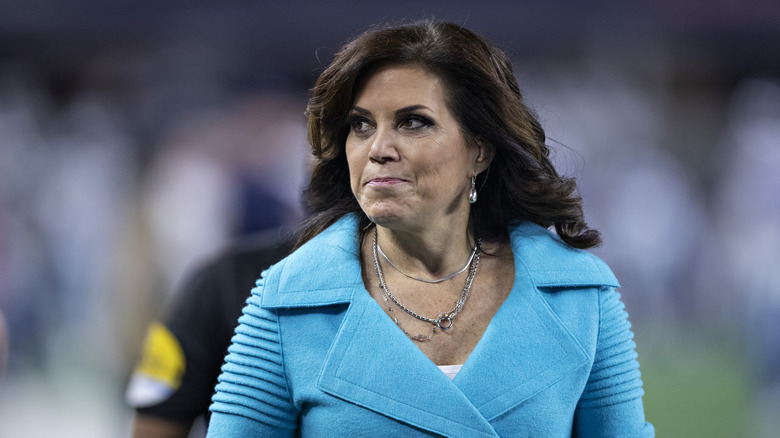
After two decades of hearing how we just need to be good little patriots and support the troops no matter what, Tafoya’s latest appeal to patriotism rings pretty hollow. Supporting our troops would mean bringing them home so no more have to die in yet another senseless Republican forever war, and I’m tired of pretending it’s not. But arguably, what’s most offensive about Tafoya comments is her total dismissal that gas prices skyrocketing with no end in sight could really be an actual problem that puts many of the most vulnerable at risk.
That’s the kind of thing you say to a well-off friend who’s worried higher gas prices will prevent them from meeting their aggressive savings goals unless they’re willing to postpone their FIRE date, not something you tell the average person. The implication here is that most people who think they’re struggling financially would be doing just fine if they simply cut back on how many treats they buy or burrito taxis they order. All you have to do is move some money around, and ballooning fuel costs magically become no big deal.
Tafoya’s comments would have been tacky and wildly out of touch regardless of her financial situation, but her career in sports television is nearly as old as commercial dial-up internet access, and it’s probably safe to assume it’s been decades since she’s had to worry that one accident or bad decision could leave her without transportation, groceries, or even a place to live. And if you were ever one of the poor kids in school, you know how obnoxious it is to get unsolicited money advice from someone who’s always had enough and has no idea what they’re talking about.
What research shows

Now, I’m not going to pretend some people aren’t addicted to their treats. Especially since one of my exes regularly spent $1,000-to-$1,500 a month on coffee and snacks while making entry-level non-profit money. It was terrible habit she couldn’t remotely afford, but that was what she’d always done growing up, and she didn’t see any reason to change, at least while we were together. I wouldn’t be surprised if most of us know at least one person like that, either. It’s also just not the norm.
According to this 2024 report from market research firm Drive Research, 73% of Americans drink coffee on a daily basis, but the vast majority brew it themselves instead of buying it at a coffee shop. Daily coffee buyers are also a small minority, accounting for 8% of those surveyed. Put another way, that means roughly 11 out of 12 Americans don’t have a daily coffee-buying habit that they could potentially change.
A larger 27% said they buy coffee a few times a week, with an additional 16% saying they buy it once a week. Still, the big spenders are pretty rare. 74% of those surveyed spent less than $30 a month at coffee shops and only 14% reported spending more than $40. Additionally, 54% of people reported spending $20 or less at coffee shops every month. Home drinkers typically don’t spend much on their coffee, either, with only 11% reporting a monthly bean budget of $40 or more.
Big spenders and over-spenders definitely exist, but the idea that the average American could save a significant amount of money if they spent less at coffee shops just doesn’t appear to be supported by the evidence. The study was also largely focused on the number of dollars people spent and doesn’t appear to include what percentage of their income goes to coffee. Still, it seems fairly safe to assume most workers on a tight budget aren’t blowing a significant percentage of their income at coffee shops.

