


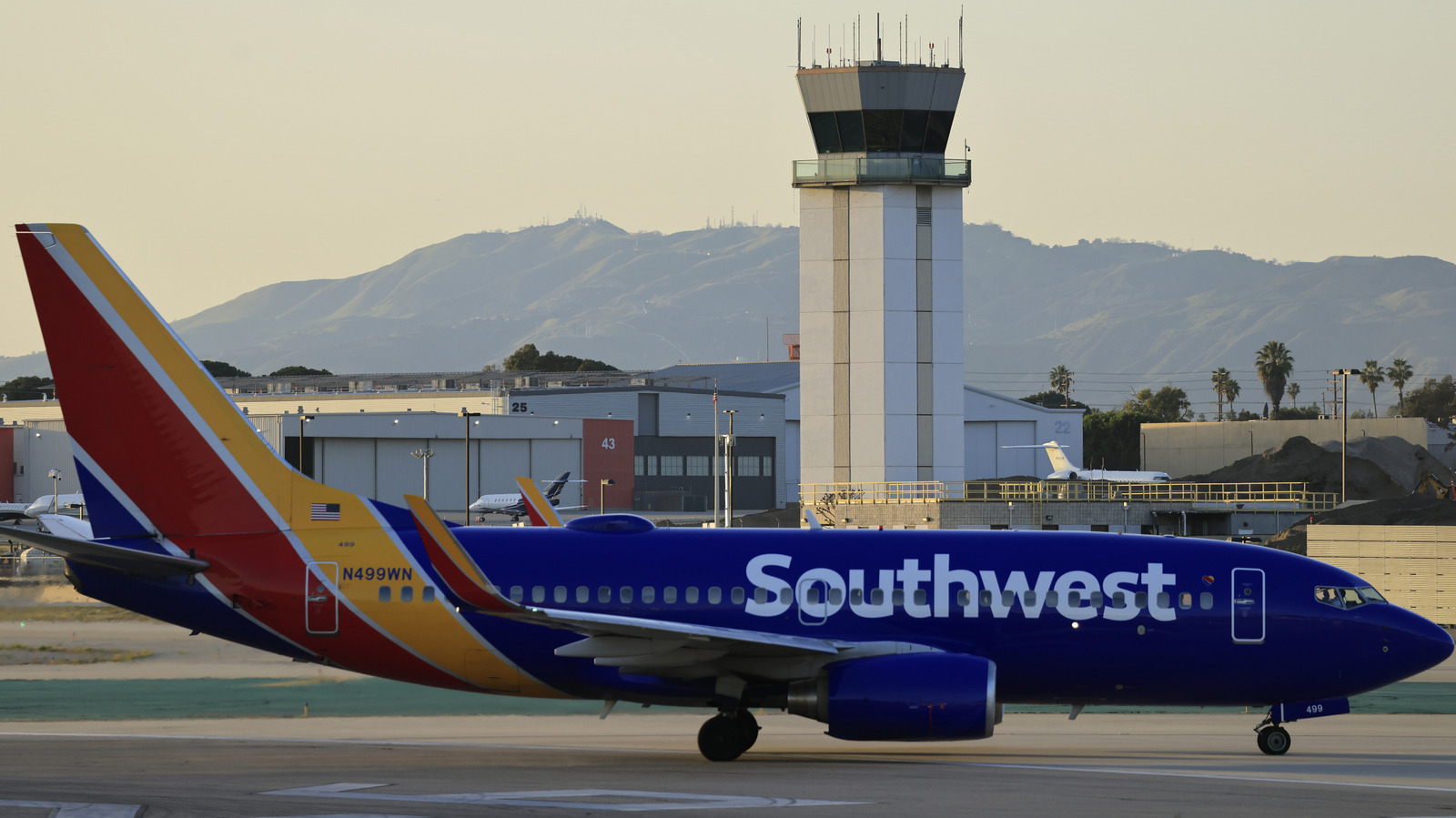
The Federal Aviation Administration put out a general notice Wednesday that mandates closer scrutiny from air traffic control regarding routes where planes and helicopters intersect near busy airports. This is a direct response the tragedy over the Potomac River last year, in which American Airlines Flight 5342 crashed into a U.S. Army Black Hawk helicopter, killing 67. The subsequent investigation by the National Transportation Safety Board found that one of the many issues that led to the disaster was air traffic control’s over-reliance on visual separation. This is, essentially, a way for ATCs to delegate responsibility back to the pilots: under visual separation, it’s the pilot’s job (usually a helicopter pilot) to just look around for other aircraft, rather than getting instructions from the radar tower. While obviously a less safe procedure, it was in wide use around the country. No longer.
The FAA’s new ruling forbids the use of visual separation near big airports, meaning that ATCs must guide the aircraft themselves. That might seem like just telling air traffic controllers to, you know, control air traffic, but there are consequences to this decision. The ATC profession in America is woefully understaffed, leading to scenarios where a single person is in charge of an entire airport sometimes. Visual separation was a way to reduce the workload on stressed controllers. That mechanism is gone now. That, in turn, will likely lead to delays as either the helicopter or the plane must idle in the air to let the other pass through.
Let’s be clear though: putting the pilots in charge of their own safety is not the way this is supposed to work. The NTSB found that visual separation was responsible for no less than 40 air crashes in the last 15 years. In its announcement, the FAA revealed that there have been two near-misses just this year, one at San Antonio International Airport, one at Hollywood Burbank Airport. Maybe landing ten minutes late is worth it.
At least it’s something
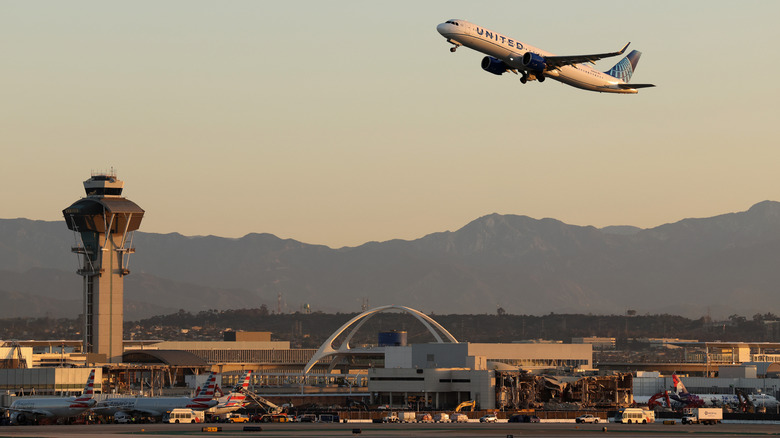
The FAA had already restricted the use of visual separation at the Reagan National Airport after the Potomac crash. This new ruling makes that temporary restriction permanent. Well, “permanent”: the official decree self-destructs on December 24, 2026. Merry Christmas! Given the political momentum behind doing something, anything, in response to the crash, this will likely be extended or perhaps replaced with a more elaborate ruling.
Unfortunately, most of the efforts to prevent the next crash have stalled. The ROTOR Act, the primary bill meant to change flight safety for the better, was struck down in the House of Representatives and does not have a clear path forward. The NTSB is sitting on dozens of recommendations that neither Congress nor the FAA have acted on. Air crashes used to be one of those things that everyone agreed needed to be addressed and fixed immediately. Apparently, we don’t live in that world anymore. At least here, the FAA has taken a legitimately important step. Let’s hope more follow soon.

